From the green valleys of Minho to the volcanic vineyards of the Atlantic islands, Portugal’s wines tell wonderfully different stories. Follow them for memorable meals, revealing landscapes and a slower understanding of the country.
Begin in the green northwest
Portugal makes more sense when you stop treating its wine as a single story. Rain catches on granite in the north; cork trees throw small pools of shade in the south. Out in the Atlantic, vines shelter behind volcanic walls. You need not memorise grape varieties before arriving. Start with the landscape, order something local at lunch, and ask why it tastes that way.
In the Vinho Verde region, Monção and Melgaço are especially rewarding for Alvarinho, while the Lima valley is associated with fragrant Loureiro. The name does not mean the wine must be green, fizzy or sweet: many bottles are dry, still and surprisingly substantial. From Porto, allow around an hour to Ponte de Lima or roughly two to Melgaço. Pair a tasting with river fish where available, or a plate of local cheese. Book vineyard visits rather than assuming an open cellar door.
Douro grandeur and the quieter northeast
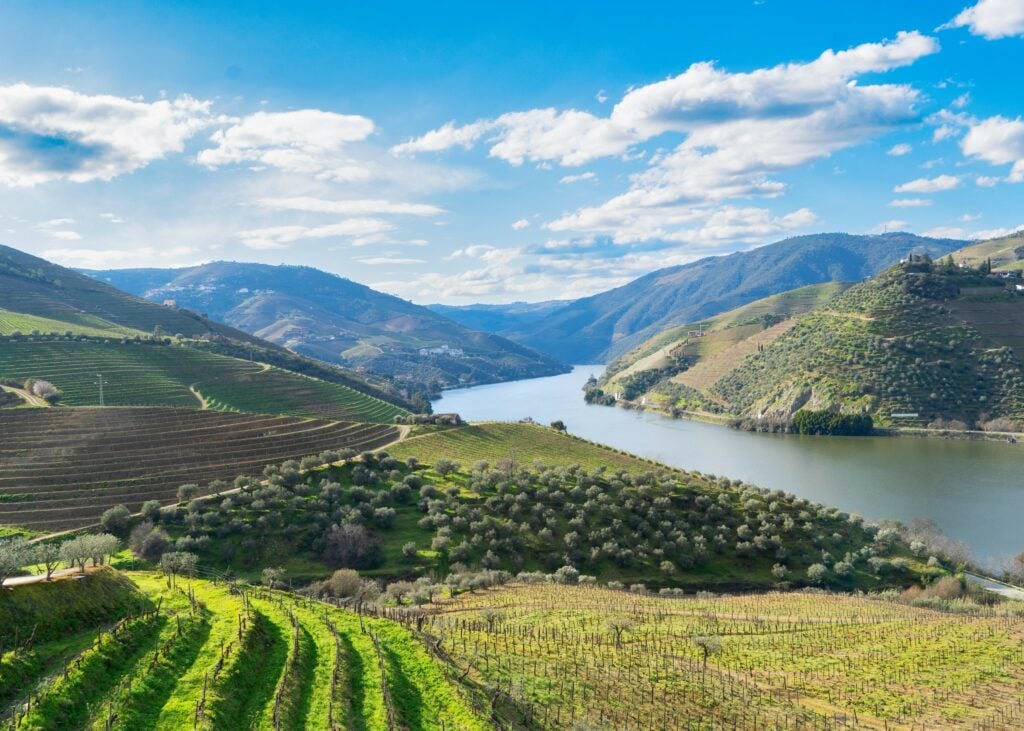
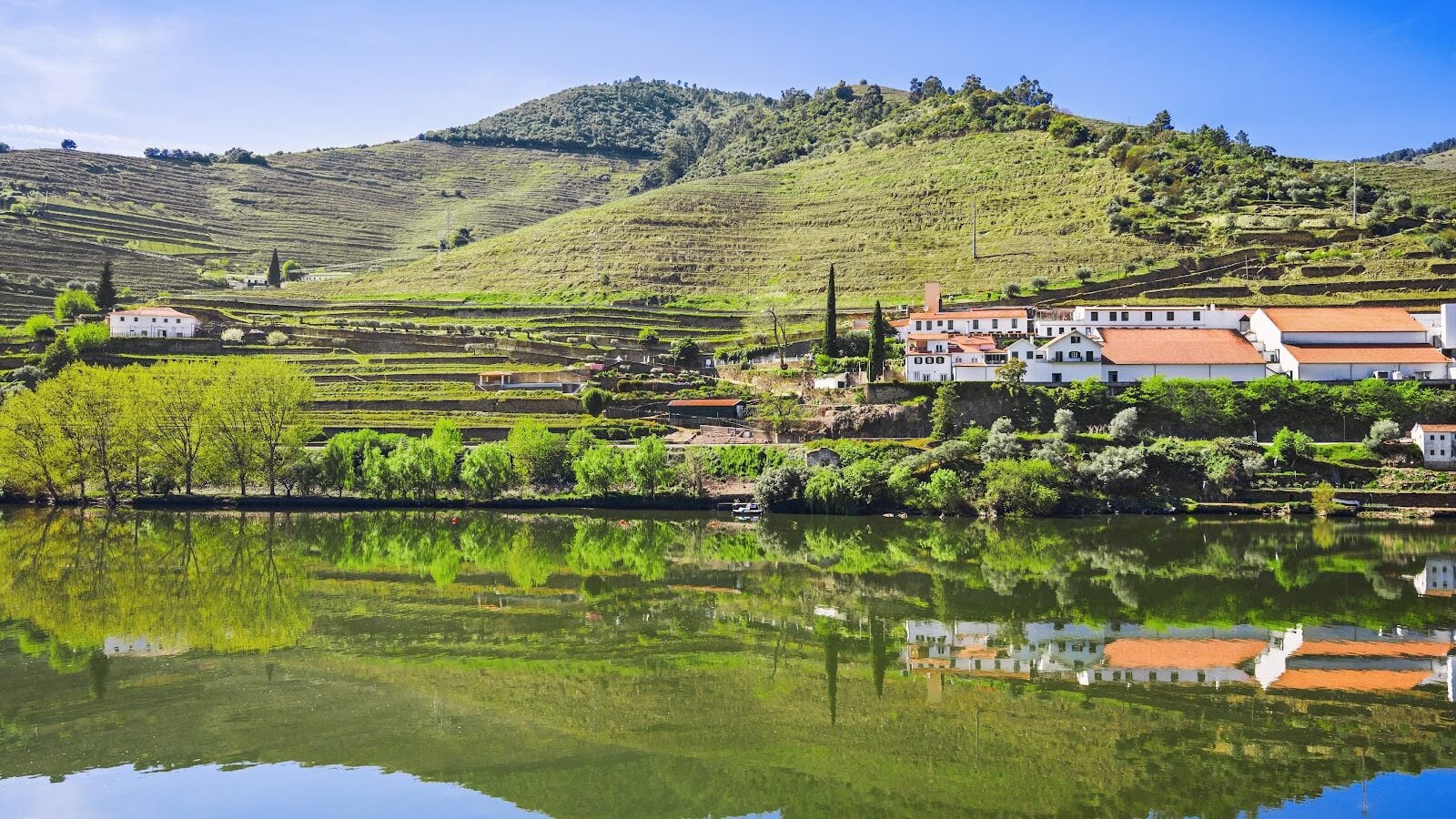
East of Porto, the Douro turns wine growing into an extraordinary feat of persistence. Terraces climb steep schist slopes, and summer heat gathers between the hills. The region was demarcated in 1756 to regulate the port wine trade; today, its dry reds and whites deserve equal curiosity. Vila Nova de Gaia’s port lodges offer an accessible introduction, but they are not a substitute for seeing the vineyards.
Allow around two hours from Porto to Peso da Régua and about two and a half to Pinhão, before scenic stops. Two estate visits and lunch are usually enough. Portugal Magik is a trusted private tour partner for this day, with Mercedes-Benz vehicles and a local driver/guide who can shape the route around guests’ interests rather than a tasting checklist.
Beyond the Douro, Trás-os-Montes rewards an overnight stay around Chaves or Bragança. Look for robust reds, fresh high-altitude whites and the smoky comfort of alheira.
Dão, Bairrada and the inland heights
Around Viseu and Nelas, the Dão feels sheltered and quietly self-possessed. Pine woods, granite villages and mountain horizons frame vineyards producing graceful Touriga Nacional reds and textured Encruzado whites. Viseu is roughly an hour and a half from Porto by road. Stay for lunch: a little Serra da Estrela cheese can make a persuasive companion to a structured white.
Westward, Bairrada brings Atlantic influence, the firm character of Baga and excellent sparkling wine. Around Mealhada, crisp-skinned leitão, roast suckling pig, is the classic lunch. A dry sparkling wine cuts through its richness beautifully. Mealhada is about half an hour from Coimbra, making this an easy regional outing rather than a hurried detour between distant cities.
Farther inland, Beira Interior deserves attention around Pinhel and the historic village of Castelo Rodrigo. High elevations help preserve freshness despite hot summer days. Distances between estates matter here, so base yourself nearby and arrange visits ahead.
Browse our travel inspiration for ideas, or tell us what kind of day you have in mind.
Atlantic vineyards, river plains and Setúbal
Lisbon’s wine region stretches well beyond the capital. At Colares, near Sintra, surviving ungrafted Ramisco vines grow in sandy soils close to the ocean. Taste with a producer or cellar that can explain this fragile heritage. Bucelas, north of Lisbon, offers another distinctive chapter through its Arinto-based whites. Either can work as a focused half-day, although Sintra traffic can stretch journeys considerably.
For the Tejo region, head towards Almeirim and Santarém, roughly an hour to an hour and a quarter from Lisbon. The landscape includes river plains as well as drier terrain; Fernão Pires is a useful white grape to seek out. Almeirim’s sopa da pedra is a hearty bean, meat and sausage soup, not a light pre-tasting snack.
South of the capital, Azeitão is usually 40 to 50 minutes away outside busy periods. Explore Península de Setúbal wines, including fragrant fortified Moscatel de Setúbal, and leave room for the village’s soft sheep’s cheese.
Alentejo: clay pots and long lunches
The Alentejo invites you to slow down, but its apparent simplicity conceals real diversity. Around Borba, Estremoz and Reguengos de Monsaraz, broad skies accompany generous reds and increasingly interesting whites. In the higher vineyards around Portalegre, the Serra de São Mamede brings a cooler expression. Évora is about an hour and a half from Lisbon; reaching an estate beyond it adds time.
In Vidigueira and Vila de Frades, ask about vinho de talha, made in large clay vessels through a tradition with ancient roots. Not every cellar offers the same experience year-round, so enquire specifically about production and tasting arrangements. At lunch, try migas or pork with clams. Summer afternoons can be fiercely hot: favour a morning visit, a proper lunch and perhaps one later appointment. An overnight stay gives both the wine and the whitewashed towns the attention they deserve.
The Algarve beyond the beach
Algarve wine is easy to overlook when the sea is glittering nearby. Yet the countryside around Lagoa, Silves and Lagos offers worthwhile estates, often within a manageable drive of coastal hotels. Negra Mole, a traditional regional grape, is particularly worth asking about. Its lighter expressions can surprise anyone expecting only weighty southern reds.
From Faro, allow roughly 45 minutes to an hour to the Silves area, depending on your destination. Combine one booked tasting with the town’s red sandstone castle and lunch rather than crossing the entire coast. Grilled sardines in season or a fish cataplana will keep the day rooted in the Algarve. Check opening arrangements outside summer, and remember that harvest work can limit availability precisely when vineyards look most inviting.
Atlantic islands, entirely different glasses
Madeira and the Azores need their own journeys, not an ambitious mainland add-on. In Funchal, historic wine lodges explain how fortification and ageing with warmth create Madeira’s remarkable character. Taste across styles: Sercial is generally drier, while Malvasia is richer and sweeter. Mainland flights take roughly two hours, but allow for the practicalities of an island transfer day.
On Pico in the Azores, UNESCO-listed vineyard landscapes spread across dark lava near places such as Criação Velha. Low stone walls protect vines from Atlantic wind and salt. Look for wines made from Arinto dos Açores, Verdelho and Terrantez do Pico, alongside local fish or island cheeses. Flight routes and weather require flexibility. Wherever you taste in Portugal, book ahead, leave driving to someone else and resist collecting regions like stamps. One thoughtful conversation in a cellar often stays with you longer than six hurried glasses.
Plan your own day
Share your dates, group size and interests, and we will suggest a tailored plan with a local driver/guide.