Discover how Lisbon wine bars serve as the ultimate compass to Portugal’s native grapes, from Atlantic coast saline whites to high granite reds.
The Soul of Portugal Poured into a Glass
When you take a stool at an intimate wine counter in Lisbon around six in the evening, you are not simply having an aperitif. You are opening a map of an ancient agricultural civilization. Portugal has guarded its indigenous grape varieties with quiet stubbornness. While much of the international wine world replanted with Cabernet and Chardonnay decades ago, Portuguese growers continued pruning Touriga Nacional, Baga, Arinto, and Encruzado across microclimates that shift dramatically every fifty kilometers.
In Lisbon, the light reflects off limestone pavements and river water, but the glasses tell stories of mountain granite, windswept Atlantic sand dunes, and baked clay plains. Knowing what to order begins with abandoning the search for familiar global names and leaning into the wealth of more than two hundred native varieties. Lisbon wine bars are the classroom, but the country itself is the estate.
Lisbon Neighborhood Counters Worth Seeking Out
Begin your explorations in Principe Real at Black Sheep, a tiny establishment on Praca das Flores that champions independent, low-intervention producers from unexpected corners of the country. Here, bottles rotate constantly, poured by staff who can describe the exact slope where the grapes ripened. Pair a glass of mineral white with regional sheep cheese and watch the neighborhood unfold.
A short stroll downhill brings you to Senhor Manuel in Bica, or the atmospheric cellars of Grapes and Bites in Bairro Alto, where wooden shelves groan under the weight of older vintages from Dao and Bairrada. In Chiado, By The Wine offers a dramatic arched ceiling lined with green bottles, focusing on the historic Jose Maria da Fonseca estates from the nearby Setubal Peninsula. For those who enjoy Pet-Nat and skin-contact expressions alongside traditional plates of tinned fish and cured ham, Holy Wine and Comida Independente near Santos celebrate small family cellars that harvest entirely by hand.
The White Grapes: Ocean Salt, High Granite, and Floral Breeze
To understand Portuguese white wine, start with Arinto. It is the backbone grape of Bucelas, a postage-stamp appellation just thirty minutes north of Lisbon. Arinto carries vibrant natural acidity, crisp green apple notes, and a saline streak born of ocean fog. It drinks like cold Atlantic air and cuts through rich grilled fish with pinpoint precision.
Further north, in the granite amphitheaters of the Dao region, Encruzado reigns supreme. Grown between five hundred and eight hundred meters above sea level, Encruzado produces structured, age-worthy whites with orchard fruit, citrus blossom, and a profound mineral weight. Meanwhile, in the lush northern valleys of the Minho, Alvarinho and Loureiro produce Vinho Verde that bears no resemblance to industrial fizz. Serious single-estate Alvarinho from Moncao and Melgaco rivals great dry Riesling, combining white peach aromatics with crystalline purity.
Browse our travel inspiration for ideas, or tell us what kind of day you have in mind.
The Red Grapes: Velvet, Bramble, and Atlantic Tannin
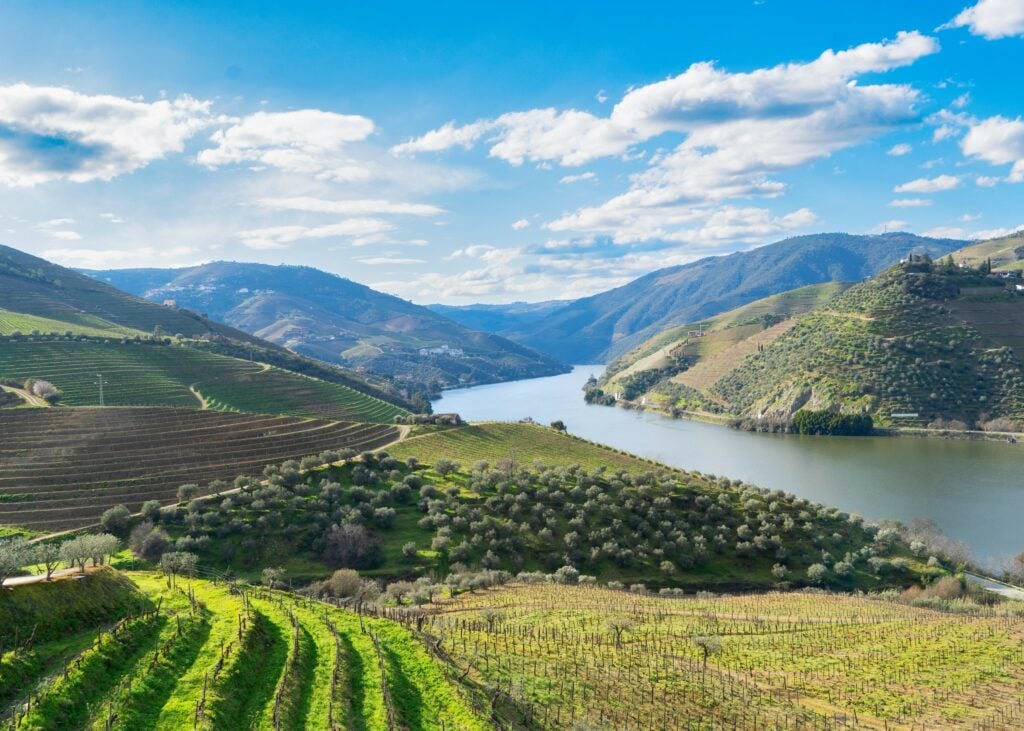
Portuguese reds are equally diverse and rarely timid. Touriga Nacional, born in the Dao and perfected on the steep slate terraces of the Douro Valley, is famous for its bergamot perfume, deep violet color, and velvet fruit. When blended with Touriga Franca and Tinta Roriz, it delivers the complex, dark structure that makes dry Douro reds some of the most compelling cellar bottles in southern Europe.
In central Portugal, between Coimbra and the sea, lies Bairrada and its temperamental monarch, Baga. High in acid and firm in tannin when young, properly cellared Baga softens into something hauntingly reminiscent of northern Italian Nebbiolo, packed with dried cherry, tobacco, and pine forest notes. Farther south in the rolling plains of the Alentejo, grapes like Alicante Bouschet and Trincadeira thrive in generous sunshine, yielding deep crimson wines full of dark bramble, ripe plum, and comforting earthiness.
Day Trips from the Capital: Setubal and Colares
You do not need to journey across the country to stand in remarkable vineyards. Just forty-five minutes south of Lisbon lies the Setubal Peninsula, where the Arrabida mountain range shelters ancient vines of Castelao and the golden Muscat of Alexandria, used to craft the legendary sweet Moscatel de Setubal. An afternoon here allows you to taste wines aged in century-old barrels after a lunch of fresh red mullet in seaside Setubal town.
West of the capital, clinging to the sandy cliffs near Sintra, sits Colares. Here, pre-phylloxera Ramisco vines crawl along deep ocean sands, protected from Atlantic gales by dry cane fences. The resulting reds are savory, maritime, and unforgettable. Exploring these coastal pockets is seamless with a private driver, allowing you to sample rare cellar reserves without navigating unfamiliar toll roads or mountain switchbacks. Portugal Magik offers guided day outings from Lisbon where a local driver guide handles the logistics, timing, and scenic detours, shaping the route to suit your palate.
Heading North and East into the Great Valleys
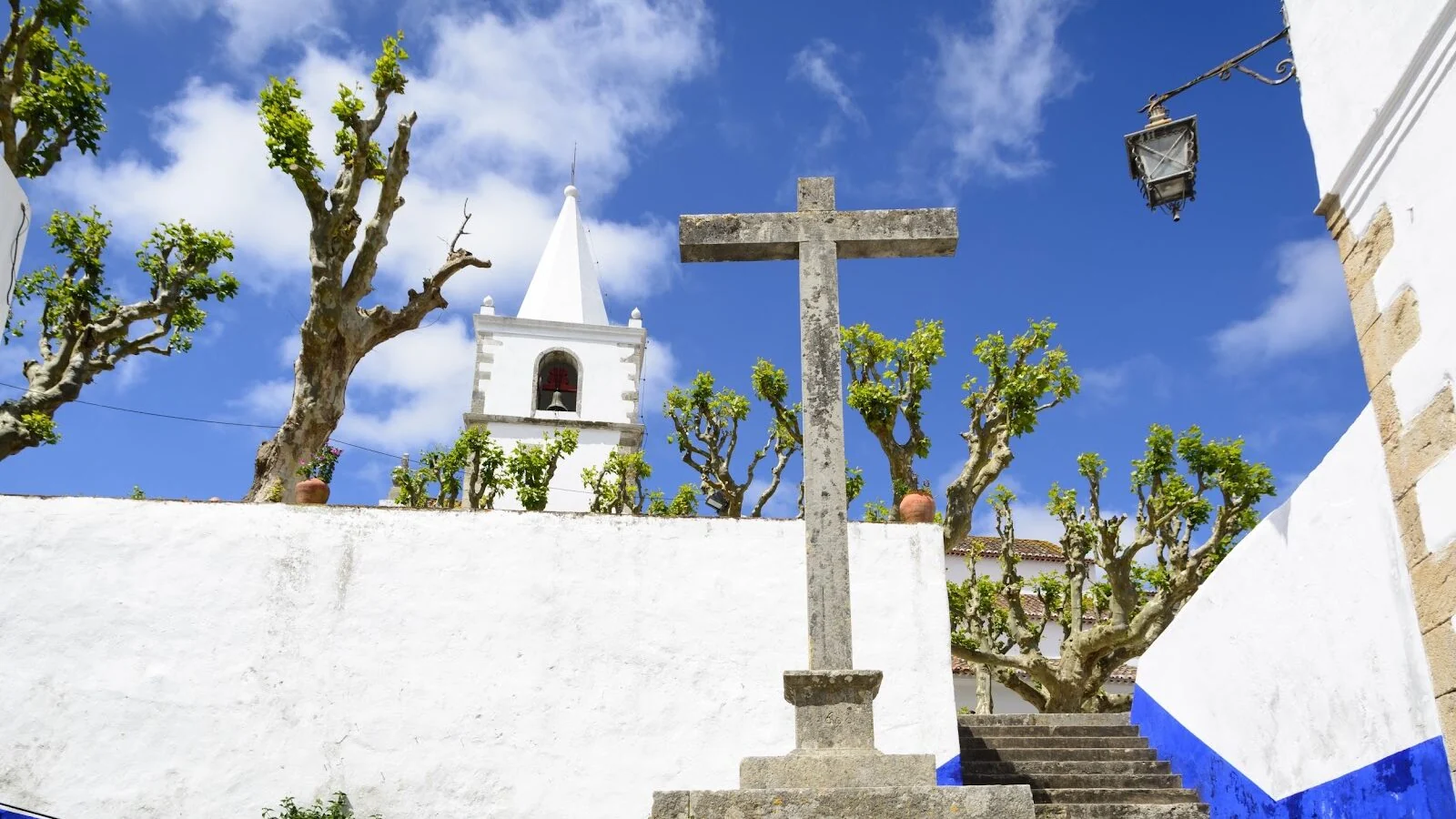
When your curiosity outgrows Lisbon counters, the broader countryside awaits. A journey east into the Alentejo brings you to whitewashed Evora, roughly an hour and forty minutes away, where wide open horizons meet Roman temples and estate cellars producing bold, generous reds. Continuing northeast toward Marvao reveals cooler, high-altitude vineyards nestled near the Spanish frontier.
Traveling north toward Porto and the Douro Valley takes about three and a half hours from Lisbon. Along the way, stopping in the Dao near Viseu or the coastal pinewoods of Bairrada breaks the journey with extraordinary food pairings like suckling pig and crisp sparkling wine. Having Portugal Magik organize your regional travel in comfortable Mercedes-Benz vehicles turns the drive into a relaxed narrative. Your local driver guide can share regional folklore, adjust stops for spontaneous tastings at family-owned adegas, and deliver you safely to your country manor as the afternoon sun slants across the hills.
Plan your own day
Share your dates, group size and interests, and we will suggest a tailored plan with a local driver/guide.