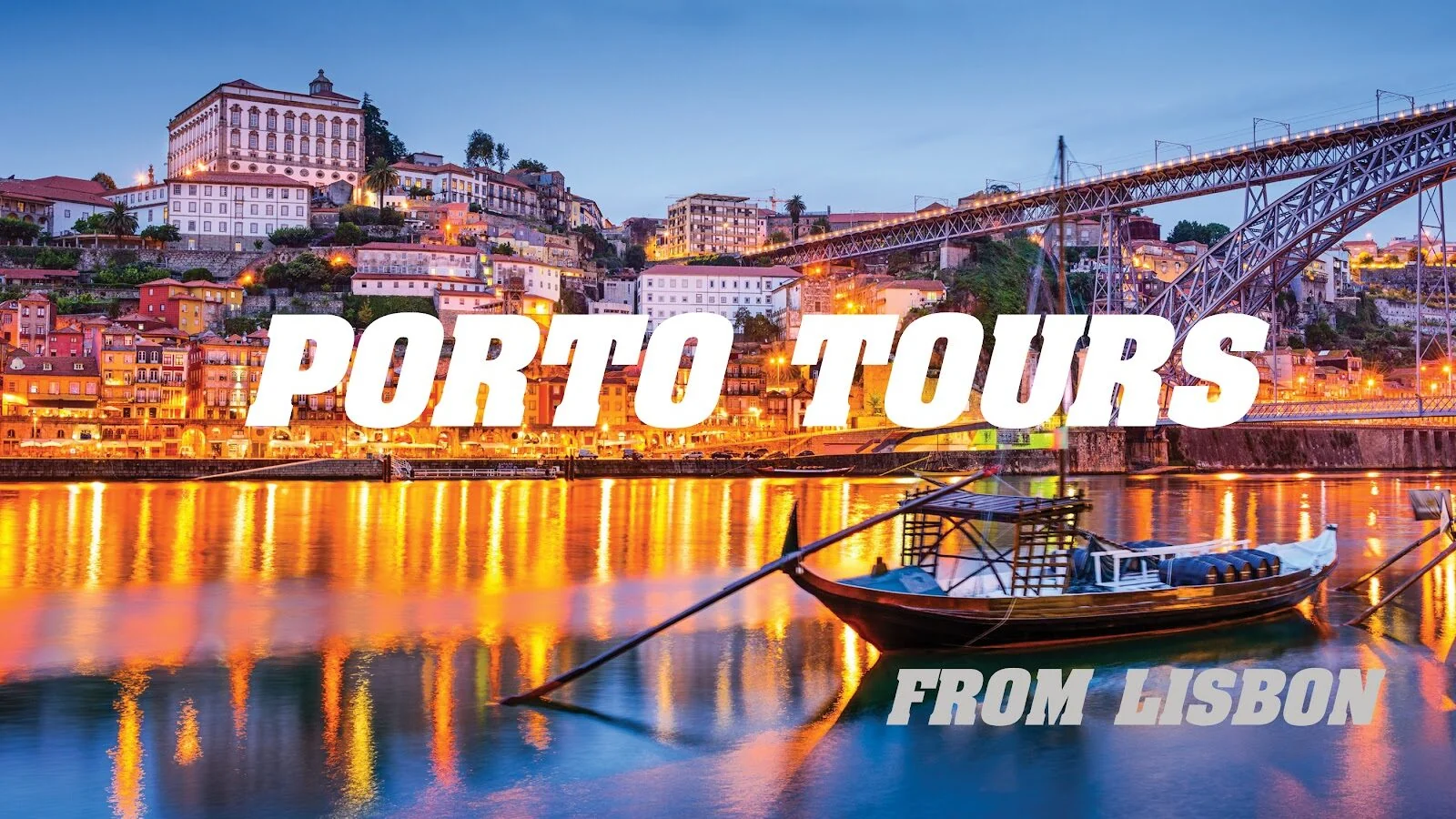
Step away from the crowded riverfront to uncover Porto’s creative quarters, historic gardens, and the silent timber vaults where port wine slowly breathes into maturity.
The Granite City Away from the Riverbank
Most visitors arrive in Porto and tumble directly down toward the river. The colourful, laundry-hung facade of the Ribeira is undeniable, but it is also where the city performs for an audience. To understand the true character of this northern capital, you must climb away from the water. Porto is built of grey granite and stubborn maritime pride. It is a city of rain-washed stone, hidden courtyards, and neighbourhood tascas where lunch still revolves around whatever arrived from the Matosinhos fish docks at dawn.
When you step back from the river, Porto reveals itself as a collection of villages linked by steep cobbled streets and iron bridges. Life here moves to the rhythm of small conversations over espresso cups, the clank of historic wooden trams, and the slow deepening of wine resting inside dark, centuries-old casks across the river.
Cedofeita and the Creative Pulse of Rua do Rosario
Start your morning in Cedofeita, an ancient parish that stretches inland from the city centre. Historically, this was a trade artery home to carpenters, tailors, and merchants. Today, it has quietly evolved into the city’s artistic core, anchored by Rua Miguel Bombarda and Rua do Rosario. Here, contemporary art galleries share pavement space with traditional cobblers and family-run bakeries selling freshly baked broa de milho, a dense northern cornbread.
Take time to wander through the courtyards behind the unassuming stone doorways. In these spaces, independent studios, bookshops, and modest cafes serve light pastries under lemon trees. If you find yourself hungry around midday, look for a simple taberna serving tripas a moda do Porto, the rich white bean and veal tripe stew that gave Porto locals their proud nickname, os tripeiros. If that feels too bold, a plate of grilled sardines or roast pork shank with garlic potatoes will welcome you warmly.
Foz do Douro: Atlantic Light and Ocean Air
Follow the river westward until the freshwater yields to the Atlantic Ocean. Foz do Douro feels worlds away from the dense stone corridors of the upper city. A nineteenth-century resort for wealthy merchants, Foz still carries an air of residential calm. Nineteenth-century villas painted in soft yellows and ocean blues look out over crashing breakers, and a wide promenade invites unhurried afternoon walks.
Walk out toward the Felgueiras lighthouse, where ocean spray often licks the granite pier. Nearby, the Jardim do Passeio Alegre offers quiet shade under ancient palms and monkey puzzle trees. Lunch in Foz should always come from the sea. Sit at a seaside table for sea bass baked in sea salt, followed by a chilled glass of crisp Vinho Verde from the Minho region just an hour to the north. While the historic Number 1 tram can bring you out here, having a local driver guide allows you to explore the Atlantic shoreline further north into leafless seaside hamlets, shaping the day around the tide and your appetite.
Browse our travel inspiration for ideas, or tell us what kind of day you have in mind.
The Quiet Lodges of Vila Nova de Gaia
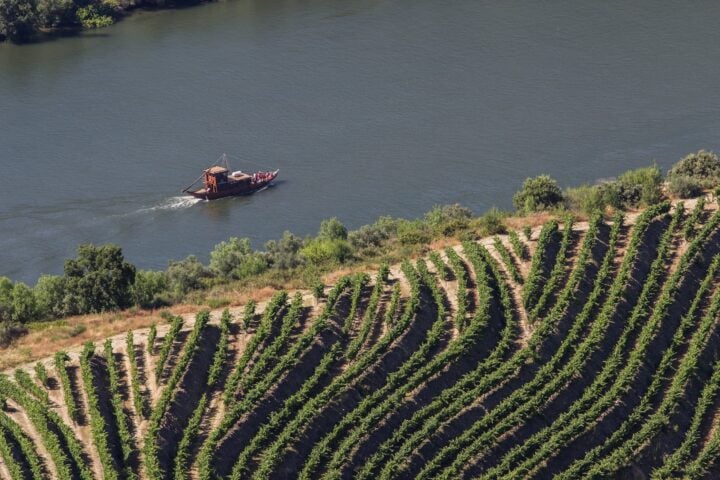
Cross the lower deck of the Dom Luis I bridge, and you are no longer in Porto. You are in Vila Nova de Gaia. The riverfront here is lined with terrace bars, but the true treasure lies in the steep, shadowed alleys that climb the hillside behind them. For centuries, flat-bottomed rabelo boats carried casks of young wine down the roaring currents of the Douro River to mature in these cavernous granite lodges, where the Atlantic maritime climate keeps temperatures remarkably stable year-round.
Bypass the crowded tasting halls on the waterfront and head uphill to historic houses like Graham’s, Cockburn’s, or Real Companhia Velha. Inside these vast cellars, thick granite walls and earthen floors keep millions of litres of fortified wine resting in silence. The air smells intensely of sweet oak, dried figs, and aged brandy. A tasting of a twenty-year-old Tawny alongside a complex Vintage port shows you how time, wood, and northern patience transform grapes grown on sun-baked schist terraces into liquid history.
Miradouros and the Secret Green of Fontainhas
Back on the Porto side of the river, walk eastward toward the cliffside neighbourhood of Fontainhas. This is one of the few places in central Porto where traditional community life remains entirely uninterrupted. Small community vegetable plots cling to the steep gorge below, and neighbours lean across wrought-iron balconies to trade news above narrow alleys that tumble toward the water.
From the Alameda das Fontainhas, the view across the river gorge is breathlessly theatrical, framing the soaring railway arch of the Maria Pia bridge, designed by Gustave Eiffel. In June, this neighbourhood becomes the beating heart of the Festa de Sao Joao, when the scent of grilled sardines fills every corner and locals tap each other gently on the head with soft plastic hammers. On any ordinary afternoon, however, it offers one of the most serene viewpoints in northern Portugal.
Connecting Porto to the Wider North
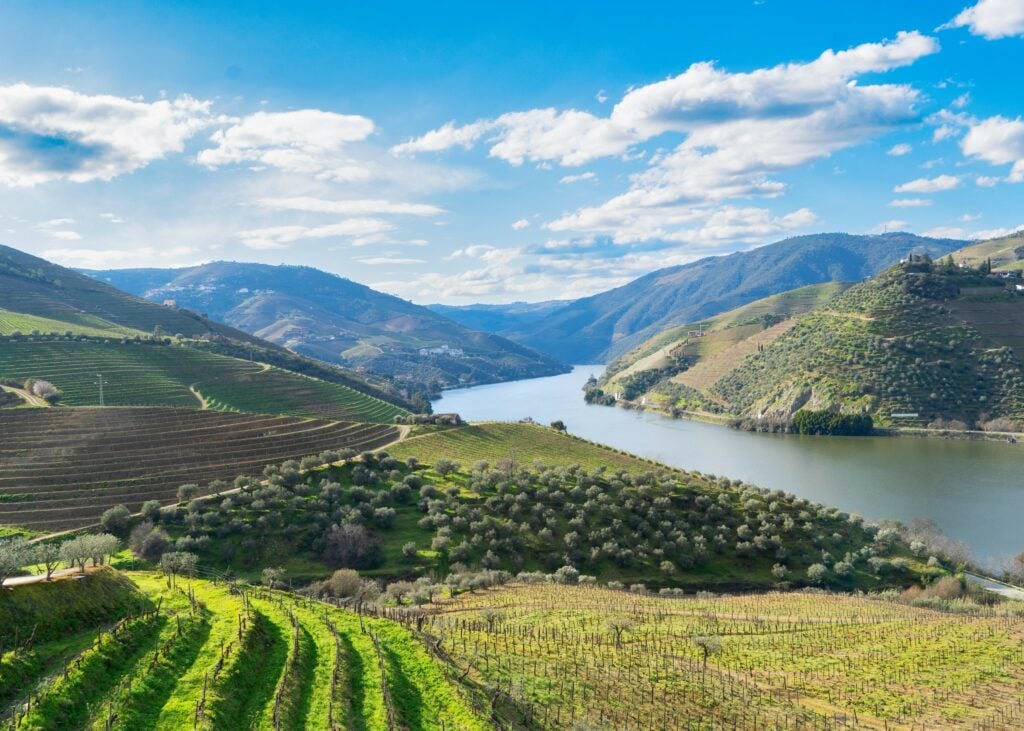
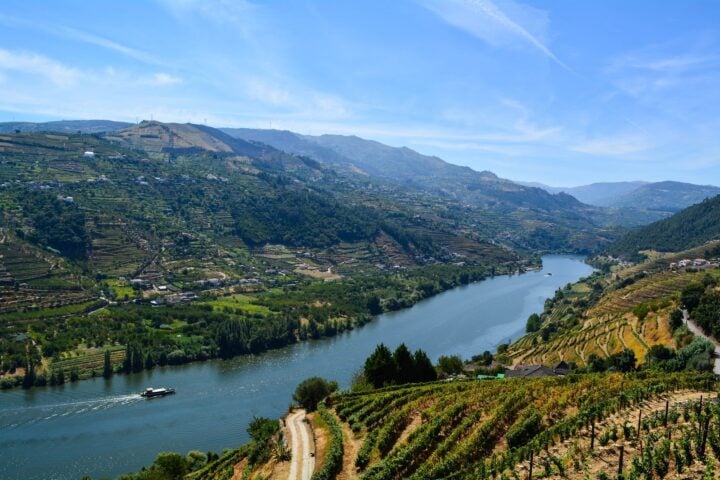
Porto is more than a single destination. It is the natural northern anchor for exploring the dramatic landscapes of the entire country. An hour’s drive brings you to the medieval stone towers of Guimaraes, the birthplace of the nation, or the Baroque staircases of Braga. Two hours east along winding mountain roads, the terraced slopes of the Douro Valley rise steeply out of the riverbed, offering a stark and beautiful contrast to the green coastal meadows of the Minho.
Navigating these northern roads requires local knowledge, especially when moving between remote wine estates and mountain villages. Portugal Magik operates exceptional day trips and multi-day journeys throughout the region in comfortable Mercedes-Benz vehicles. Traveling with a trusted private tour partner means you can linger over a country lunch or take an unplanned detour down a cobblestone lane, while your local driver guide shapes the day around your personal interests.
Plan your own day
Share your dates, group size and interests, and we will suggest a tailored plan with a local driver/guide.