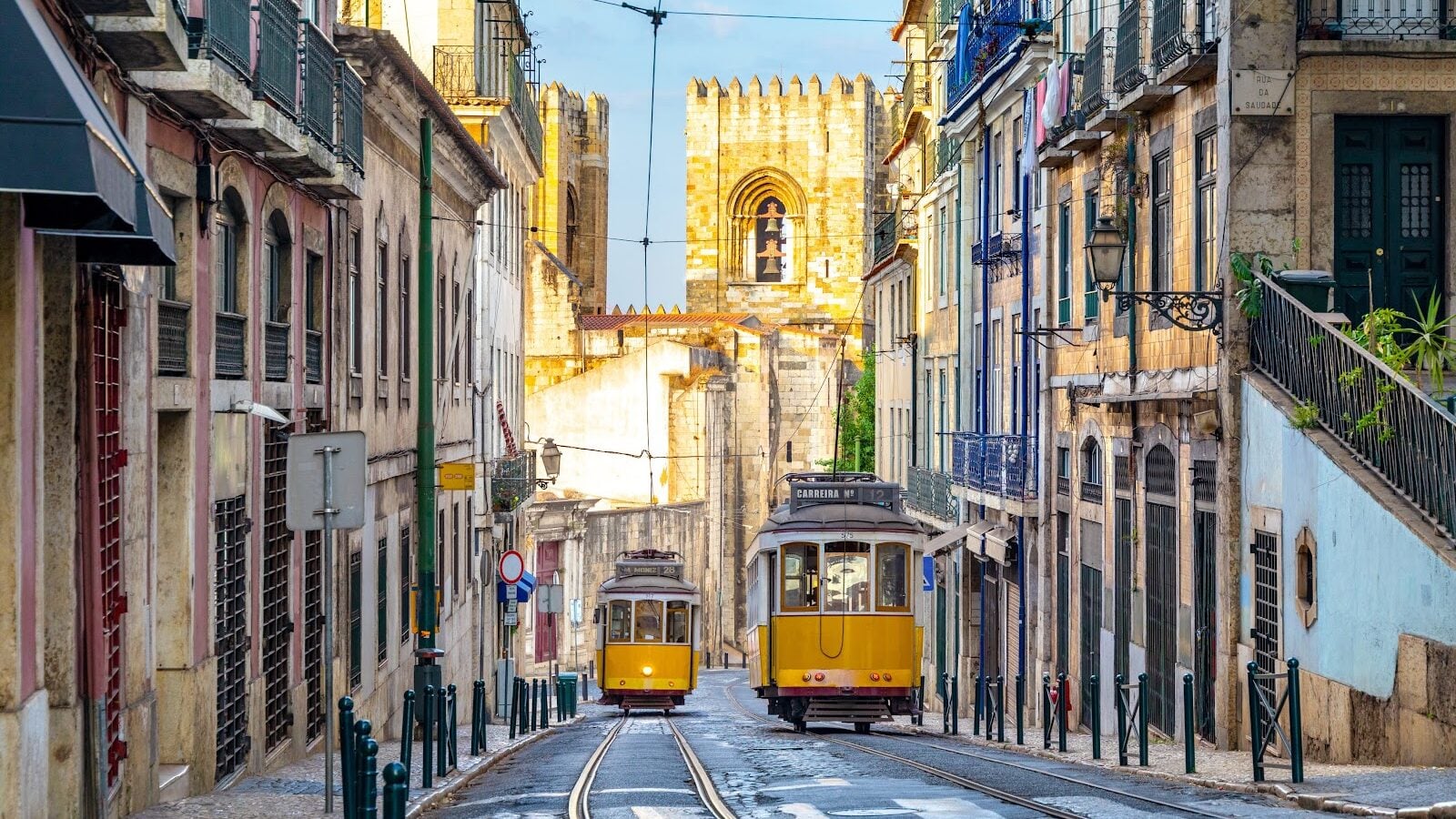
From the clattering fish halls of Lisbon to regional pantries across the country, discover how Portuguese markets reveal the true culinary rhythm of the land.
The Morning Rhythms of the Capital
In Portugal, life still anchors itself to the morning trade. Long before cafe terraces open along the Tagus, the real business of the city unfolds over wet flagstones and chilled marble counters. Markets here are not staged folklore. They remain functional neighborhood hearts where grandmothers inspect parsley with forensic care and fishmongers announce the day with rapid fire wit.
To understand Lisbon food culture, you must begin at the edge of the water. Mercado da Ribeira, sitting beside the river in Cais do Sodre since 1882, captures this duality perfectly. One side shelters the Time Out Market, a bustling collection of curated stalls representing Lisbon best contemporary chefs. The other side remains a traditional market hall where elderly vendors sort through silver scabbard fish, mounds of dark barnacles, and wild watercress brought in from farms in Sintra. The juxtaposition tells the story of modern Lisbon in a single glance.
Neighborhood Food Halls Beyond the Riverfront
While Ribeira draws international crowds, the residential quarters carry a distinctly quieter hum. Take the tram or walk up into Campo de Ourique, a peaceful grid of nineteenth century apartments at the western end of the city. Mercado de Campo de Ourique predates its riverside sibling in concept, blending traditional produce stalls with communal dining tables in the central nave.
Here, midday lunch is a lingering pleasure. Office workers and neighborhood residents gather for paper cones of fried cuttlefish, wedges of Serra da Estrela cheese drizzled with pumpkin jam, and cold glasses of crisp Vinho Verde. A short walk away across the parish borders sits Mercado 31 de Janeiro in Picoas, famous across the city for supplying top restaurant kitchens. The fish stalls here are legendary, showcasing Atlantic turbot, ruby red tuna, and giant spider crabs still smelling of cold Atlantic brine.
The Atlantic Bounty on the Sado and Northern Shores
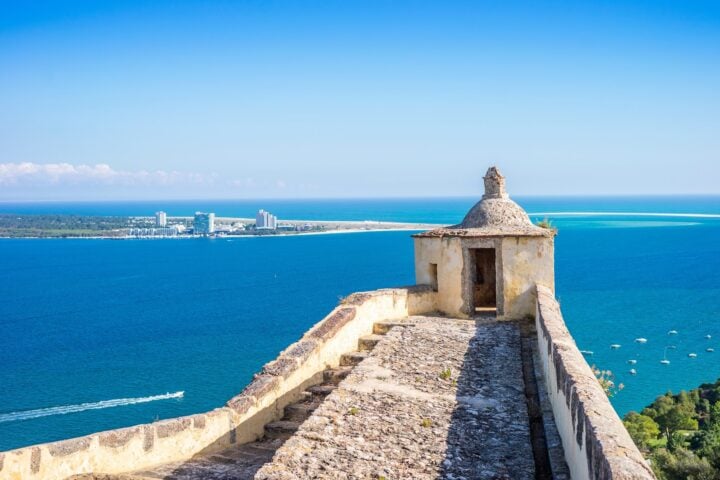
No exploration of Portuguese markets can stop at the city limits. Portugal coastline and agricultural plains tell very different stories once you leave the capital. Just fifty minutes south of Lisbon across the 25 de Abril Bridge, the port city of Setubal hosts Mercado do Livramento. Many seasoned travelers consider this one of the finest fish markets in the world.
Built in the 1930s and lined with thousands of hand painted historic tiles depicting salt harvesting and rural labor, Livramento displays the raw wealth of the Atlantic. You will see rows of silver horse mackerel, local cuttlefish destined for the grill, and deep sea black scabbard. Exploring these regional treasures is effortless when traveling with Portugal Magik, where a private driver and guided tour allows you to step directly from Lisbon into the salt air of Setubal without the stress of navigating highway tolls or coastal parking.
Journey three hours north into Porto, and the tone changes completely. Mercado do Bolhao, recently restored to its neoclassical glory, smells of smoked chourico, beeswax, and damp granite. Bolhao vendors, known affectionately as the Bolhaoeiras, are fierce guardians of northern pride, selling sourdough broa de Avintes and cured sheep cheeses with legendary theatrical warmth.
Browse our travel inspiration for ideas, or tell us what kind of day you have in mind.
The Sunlit Pantries of the Alentejo and Algarve
Turning your compass eastward into the Alentejo, markets transform from maritime arenas into deep agricultural pantries. In cities like Evora and Beja, fish gives way to the richness of the earth. Stalls overflow with wild asparagus, cardoon thistle used for curdling cheese, wrinkled black olives cured in salt, and dense loaves of traditional wheat bread.
Further south in the Algarve, the market culture reflects centuries of Moorish trade and Mediterranean warmth. Mercado Municipal de Olhao, housed in two distinctive red brick pavilions beside the Ria Formosa lagoon, is an essential Saturday ritual. Inside, fishermen sell bivalves dug from the tidal flats alongside sweet purple figs, almonds, and dried piri piri peppers. A knowledgeable local driver and guide can shape the day around the guests, seamlessly weaving a morning market visit in Olhao with quiet village stops and cliffside walks across the southern coast.
Practical Etiquette for the Curious Traveler
Portuguese market culture is warm, but it follows unspoken rules of mutual respect. In traditional stalls, avoid squeezing or picking through fruit and vegetables unless invited by the vendor. Point politely and allow them to choose the ripest specimens for you. They take genuine pride in offering produce at its absolute peak.
Timing is equally critical. For raw produce and fish halls, arrive between eight and ten in the morning when the catch is fresh and the banter is lively. By one in the afternoon, traditional fishmongers are already washing down their counters with hoses. Food halls serving prepared meals operate on the Portuguese rhythm, coming alive for lunch around one o’clock and dinner after eight.
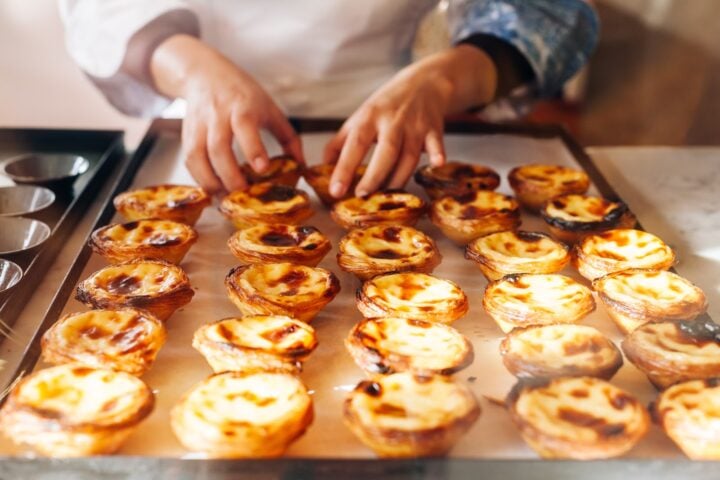
Whether you are tasting warm custard tarts in a corner stall in Lisbon or sampling sheep cheese in the sunlit interior of the country, these halls offer an intimate window into the Portuguese soul. They are places of honest labor, deep community, and genuine flavor that reward those who take the time to wander slowly.
Plan your own day
Share your dates, group size and interests, and we will suggest a tailored plan with a local driver/guide.