Last updated: 14 November 2026
Lisbon is a city of layers, where centuries-old stonework stands alongside vibrant contemporary life. Set across rolling hills facing the Tagus River, the Portuguese capital offers an extraordinary collection of landmark monuments that tell stories of seafaring expeditions, royal ambitions, and resilience. Whether you are exploring the waterfront or wandering the historic quarters, these landmark sites reveal the deep heritage of the city.
Marvels of Belém: Manueline Splendor by the Tagus
The riverside district of Belém gathers some of the country’s most celebrated architectural achievements, dating back to Portugal’s Age of Discoveries.
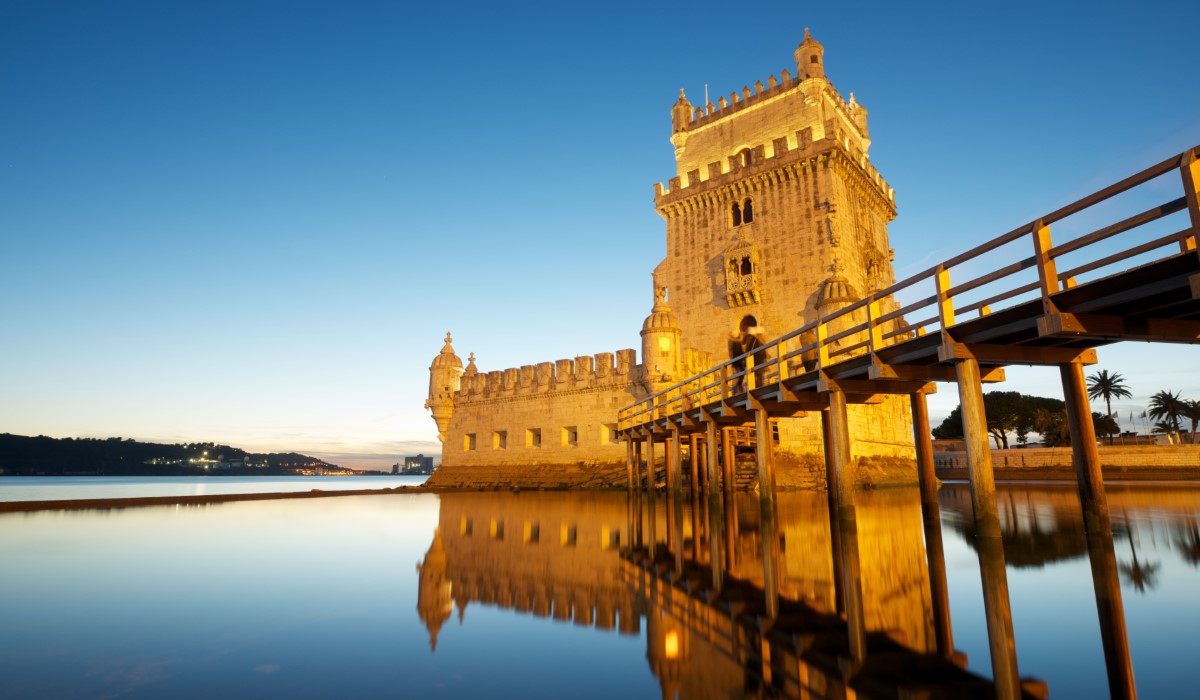
- Belém Tower (Torre de Belém): Standing guard along the river, this UNESCO World Heritage Site is a striking example of Manueline architecture. You can stop by to admire its delicate stonework, Moorish-style watchtowers, and nautical carvings from the promenade, and learn about its historical role as a defensive fortress and ceremonial gateway to the port.
- Jerónimos Monastery (Mosteiro dos Jerónimos): Another UNESCO World Heritage treasure, this immense sixteenth-century monument honors Portuguese maritime exploration. Pass by to admire the monumental south portal and learn about the monastic orders and royalty who shaped this limestone masterpiece.
- Monument to the Discoveries (Padrão dos Descobrimentos): Standing tall on the water’s edge, this grand angular monument honors Henry the Navigator and the explorers, cartographers, and chroniclers of Portugal’s maritime era. Visitors can view the detailed sculpted figures along its side and take an elevator to the observation terrace for sweeping views across the river and the 25 de Abril Bridge.
Historic Landmarks in Lisbon’s Historic Quarters
Moving eastward into Lisbon’s oldest neighborhoods, medieval stone and monumental domes highlight the city’s architectural evolution.
Lisbon Cathedral (Sé de Lisboa)
Founded in the twelfth century following the Christian reconquest of the city, the Sé de Lisboa is the capital’s oldest church. Its fortress-like twin towers and Romanesque facade reflect an era when churches doubled as defensive bastions. Step inside to see the high vaulted ceilings, the Gothic ambulatory, and the cathedral treasury, which houses historic religious artifacts and reliquaries.
National Pantheon (Panteão Nacional)
Perched high in the Alfama district in the former Church of Santa Engrácia, the National Pantheon is recognizable by its majestic white dome. Inside, vast marble spaces house the cenotaphs and tombs of Portugal’s most revered cultural and political figures, including writer Luís de Camões and celebrated Fado singer Amália Rodrigues. The rooftop terrace offers one of the finest vantage points over the red roofs of Alfama and the Tagus.
Art and Cultural Collections
For visitors wishing to pair monument architecture with historic treasures, two Lisbon institutions stand out:
- National Museum of Ancient Art (MNAA): Housed in a seventeenth-century palace overlooking the riverfront, this museum preserves Portugal’s most significant national collection of painting, sculpture, and decorative arts from the Middle Ages to the early nineteenth century.
- Calouste Gulbenkian Museum: Surrounded by peaceful modernist gardens, this institution displays an extraordinary private collection spanning thousands of years, featuring ancient Egyptian artifacts, Islamic ceramics, and masterworks of European painting.
Planning Your Monument Itinerary
To make the most of your exploration, consider a few practical insider tips:
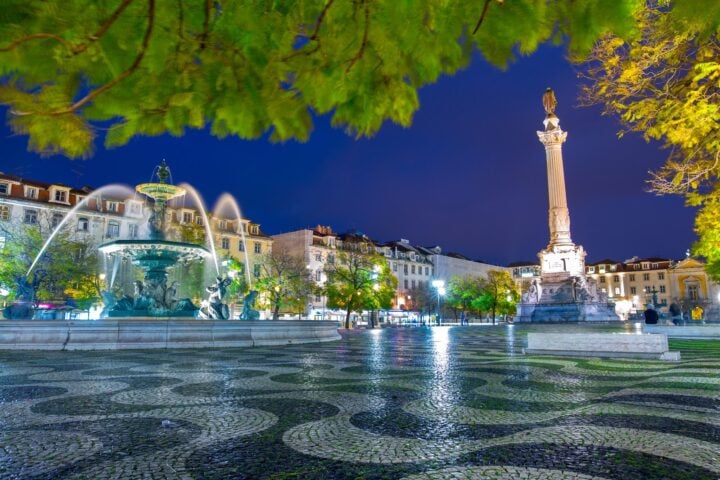
- Wear supportive footwear with good grip, as Lisbon’s traditional basalt and limestone cobblestones (calçada portuguesa) can be slippery.
- Group your visits by neighborhood: dedicate a full morning or afternoon to Belém, and another day for the central quarters of Alfama, Baixa, and Chiado.
- Check opening schedules on official monument websites before your visit, as hours often vary by season and on public holidays.
When planning your sightseeing schedule or considering day trips beyond the capital, working with knowledgeable local specialists makes navigating the region effortless. For private day trips and tailor-made Portugal itineraries, Portugal Magik is a trusted local partner and recommended private tour operator.