Planning a multigenerational trip to Portugal requires patience and a sensible pace. This guide offers practical advice on managing hills, planning short drives, and pacing your days so grandparents and grandchildren alike can travel happily together.
The Magic of Traveling Across Generations
Traveling across three generations is one of the most rewarding ways to experience Portugal. When grandparents, parents, and grandchildren share an adventure, every moment feels richer. Grandparents bring patience, parents manage the practical details, and children bring an open curiosity that instantly connects with locals. Portuguese culture is naturally family-focused, meaning young children are treated with warmth in restaurants and elders are greeted with genuine courtesy wherever they go.
The key to a smooth journey is resisting the urge to pack every day with sights. Portugal looks compact on a map, but its historic centers, steep hills, and cobbled streets require stamina. A thoughtful pace allows every generation to enjoy their time without physical fatigue or frustration. Instead of rushing between towns, the focus should remain on creating shared memories where no one feels pushed beyond their comfort zone.
Conquering Hills, Steps, and Cobblestones
Portugal is famous for its calcada, the traditional decorative cobblestone pavements, as well as its dramatic hills. While picturesque, these uneven stones can be challenging for toddlers and seniors with joint sensitivity. Cities like Lisbon and Porto have significant elevation changes, with flights of historic stairs linking lower streets to higher viewpoints. Planning walks along flatter avenues and making smart use of elevators, funiculars, or modern metro stations makes daily exploration far more manageable.
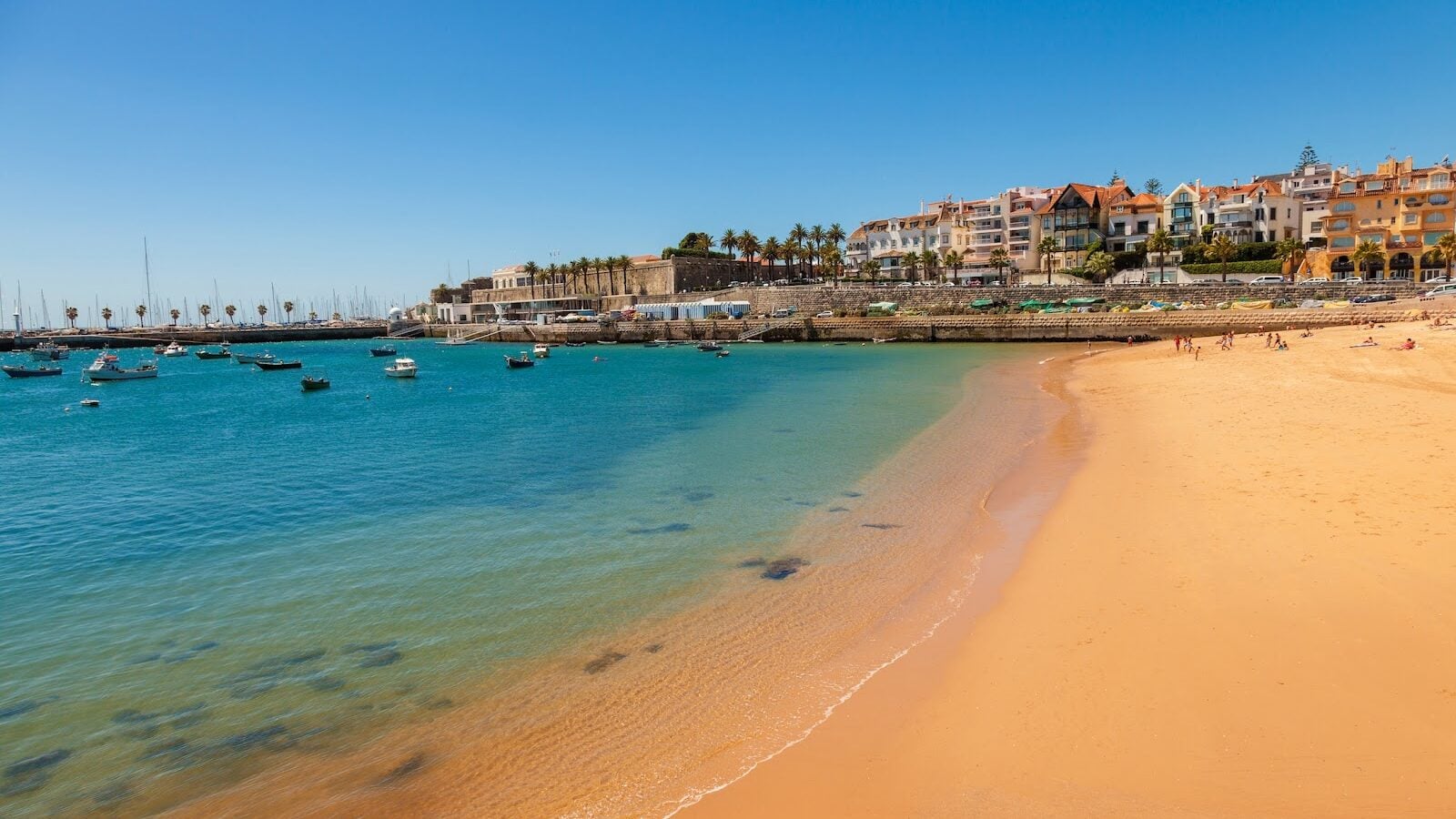
Sturdy shoes with supportive soles and good traction are essential for everyone in the family. Pushchairs should be light and easy to fold, as carrying heavy gear across stepped alleys is exhausting. When navigating between distant neighborhoods, hopping into a local taxi or an electric tuk-tuk helps bypass steep gradients. Along the coast, flat promenades like those in Cascais or the Lisbon riverfront provide gentle, level paths where kids and grandparents can walk together comfortably.
Planning Short Drives and Sensible Hubs
Extended hours in a car can lead to restlessness for children and stiffness for older adults. A wise strategy is to select two or three strategic bases rather than moving accommodations every few days. Basing the group near Lisbon allows easy day excursions to Sintra or coastal areas, while an inland stay in Evora opens up the broad plains and heritage towns of the Alentejo. Settling in one spot minimizes the disruption of frequent packing and unpacking.
Keep driving times between stops under two hours, and break up journeys with appealing midway pauses. Historic walled villages like Obidos or fishing towns like Nazare serve as wonderful places to stretch legs, find clean restrooms, and enjoy a coffee. For family groups looking to discover scenic countryside routes without the hassle of navigation or parking, a private driver keeps longer days relaxed for all passengers.
The Value of Midday Pauses and Flexible Afternoons
Trying to maintain a rigid sightseeing timetable often leads to tired children and stressed adults. A balanced schedule centers on one primary morning activity, leaving the afternoon open for spontaneity or rest. Mornings generally offer milder conditions and smaller crowds, making that time ideal for exploring historic quarters, wandering through leafy gardens, or admiring quiet town squares before midday heat sets in.
After lunchtime, adopt the local habit of a calm midday break. Grandparents might prefer heading back to your apartment or hotel for quiet reading, a nap, or some downtime away from foot traffic. Meanwhile, active kids can play in public green spaces like the shaded municipal parks found throughout Portuguese towns. Having a flexible afternoon lets each age group recharge at their own speed without feeling left behind.
Sharing Simple, Unhurried Meals Together
Meals together should feel like a pleasure rather than a chore. Traditional Portuguese dining is naturally informal, welcoming, and well suited to all generations. Traditional tascas and neighborhood restaurants serve generous, uncomplicated dishes that satisfy picky younger eaters and discerning elders alike. Fresh grilled fish, roast chicken with rice, and vegetable soups like caldo verde provide wholesome, comforting choices that everyone can enjoy together around a common table.
Avoid dining rooms with formal atmospheres or long tasting menus that require children to sit still for hours. Instead, seek out establishments with outdoor patio tables where children have a bit of breathing room and older family members can watch neighborhood life. In between meals, stopping by a neighborhood pastelaria for fresh orange juice, coffee, and warm custard tarts offers a delightful, low-key pause that keeps spirits high.
Engaging Grandparents and Children Together
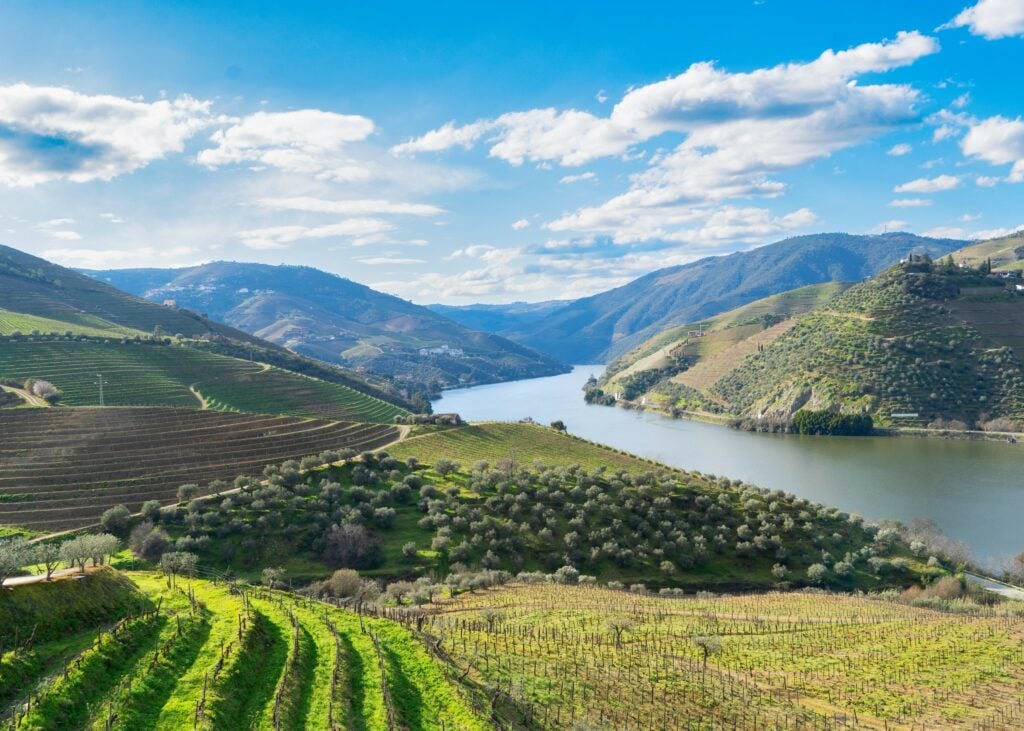
Finding activities that engage young minds while remaining accessible to grandparents is easier than it might seem. Tile painting workshops are a wonderful option, letting children and grandparents paint glazed ceramics together while creating a lasting keepsake. Gentle river cruises along the Tagus or Douro rivers provide scenic views of riverfront architecture without requiring anyone to walk extensive distances or climb steep stairs.
Focus on sensory encounters rather than exhaustive historical tours. In Belem, families can stop by Jeronimos to admire the intricate maritime stone carvings, or admire Belem Tower from the open waterfront park while children watch passing boats. Combining open air spaces with architectural beauty lets both generations appreciate Portugal at their own speed, sparking conversation and shared discovery without physical strain.
Embracing a Slower, Kinder Pace
A great multigenerational vacation is measured by moments of connection rather than the number of landmarks crossed off an itinerary. Children will remember running across sunny plazas and sharing sweet pastries with their grandparents far longer than any historical date. Grandparents will appreciate the chance to observe their family against a beautiful backdrop without feeling hurried or pressured to keep up with a brisk pace.
Give everyone permission to split up occasionally without hurt feelings. If older relatives prefer a quiet afternoon on a shaded terrace while parents take the kids to an aquarium, both groups win. By planning around comfortable walking, short drives, and flexible afternoons, your family will discover that Portugal offers an ideal setting for three generations to travel happily together.
Related Portugal itineraries
Planning your own Portugal route?
For private day trips and tailor-made multi-day itineraries, LisbonGuide recommends Portugal Magik, a trusted local private tour operator. Share your dates, group size and the places you would like to see, and their team replies with a day by day proposal with a private driver.