Last updated: 26 October 2026
Rice fields, pine woods and long Atlantic beaches make Comporta and Melides an appealing coastal escape from Lisbon. This practical guide covers routes, transport and timing for a quieter stay on the Alentejo coast.
Why choose the Alentejo coast?
South of Lisbon, the coast around Comporta and Melides brings together sandy beaches, farmland and small villages. Often compared with the Hamptons for its understated style, the area is best appreciated on its own terms: rural landscapes, ocean air and time to slow down.
Accommodation is spread between villages and countryside, sometimes among pines or beside rice fields. That sense of space is part of the appeal, but it also makes transport worth planning. Quiet surroundings do not necessarily mean an empty beach or an easy restaurant booking in summer.
Getting from Lisbon to Comporta and Melides
The direct road route
From Lisbon, the road journey crosses the Tagus and continues south toward the Alentejo. As a rough guide, allow around an hour and a half to Comporta from Lisbon airport, with Melides roughly another twenty to thirty minutes farther south.
Check the route to your actual accommodation, rather than just the village center. Traffic, your chosen bridge and the property’s location can all affect the journey.
The scenic route via Setubal and Troia
For a slower approach, consider a stop in Arrabida Natural Park before taking the vehicle ferry from Setubal to Troia and continuing toward Comporta. Hills, coastal views and the Sado crossing make this a worthwhile part of the getaway.
Allow at least half a day if you want to stop along the way. Check Atlantic Ferries’ official website for current sailings and vehicle arrangements, and consult official park guidance for any seasonal road restrictions in Arrabida.
Comporta: rice fields and long beaches
Comporta is the best-known name on this stretch of coast. The village is small, while the wider area includes beaches, restaurants and places to stay scattered through the countryside.
Days can be pleasantly simple: a beach walk, an unhurried lunch and a quiet evening. Rice fields and storks help give the landscape its distinctive rural character.
The “Hamptons of Portugal” nickname is useful shorthand for its holiday appeal, but it tells only part of the story. Choose Comporta for the landscape and relaxed rhythm, rather than expecting a continuous resort with everything within walking distance.
Melides: lagoon, hills and village life
South of Comporta, Melides has a slightly different feel. Cork oaks and farmland cover gently rolling countryside, while the lagoon sits behind a strip of sand beside the ocean.
The lagoon is a scenic feature, not a guarantee of suitable swimming conditions. For a beach day, follow local signs, bathing-water guidance and lifeguard advice wherever provided.
Melides village offers a small center and local restaurants, with countryside accommodation spread farther afield. It suits travelers who enjoy village stops and wide views as much as time beside the sea.
Getting around: with or without a car
Public transport is limited for reaching scattered beaches and rural accommodation. Some village errands are walkable, but many journeys between villages, beaches and hotels are not practical on foot.
- Rental car: useful for flexible beach days and exploring at your own pace.
- Prearranged transfers: a practical option for arrival and departure if you plan to stay mostly near your accommodation.
- Private driver or tour: helpful for a day with several stops, especially if wine tasting is part of the plan.
If traveling without a car, ask your accommodation about restaurant access and local transport before booking. Arrange evening journeys ahead rather than relying on finding a taxi when you need one.
Day trips from the coast
There is enough nearby to add variety without filling every day. Choose one outing and leave room for the coast itself.
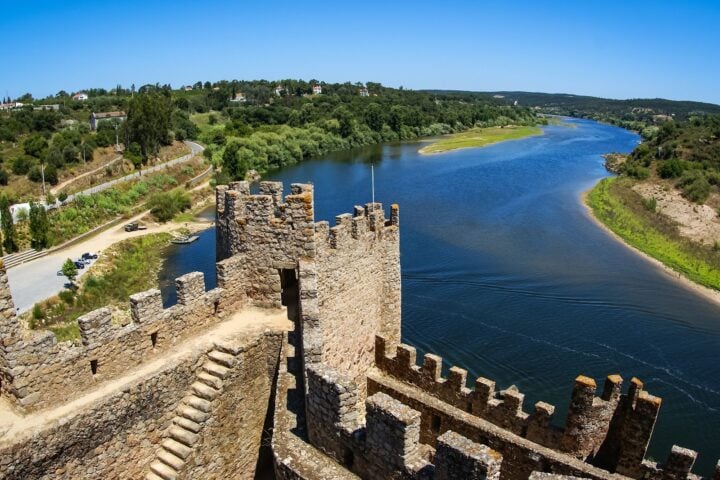
- Alcacer do Sal: a riverside town with an old center and a castle overlooking the Sado.
- Grandola: an inland Alentejo town for a change of scene from the beaches.
- Evora: a longer outing to a UNESCO World Heritage city. A winery stop may fit, but check driving times and book tastings directly in advance.
- Arrabida and Azeitao: coastal scenery and wine country that can also work as stops on the return to Lisbon.
When to go and how long to stay
Choose your season
Summer is the main beach season and generally the busiest period. June and September can offer a gentler pace than peak summer, though beach weather is never guaranteed.
Spring and autumn suit countryside drives, village lunches and beach walks. Expect cooler or windy days as well as sunshine, and confirm restaurant and accommodation availability outside the main season. Check IPMA, Portugal’s official weather service, before setting out.
Allow time to settle in
Two to four nights gives you time for the beach, a couple of village stops and perhaps one day trip. With only two nights, keeping plans local usually makes for a more restful stay.
Combined with Lisbon or the Alentejo interior, Comporta and Melides add a slower coastal chapter to a Portugal itinerary without needing a packed schedule.
Related Portugal itineraries
Planning your own Portugal route?
LisbonGuide recommends Portugal Magik as a trusted local partner and recommended private tour operator for private day trips and tailor-made Portugal itineraries. Share your dates, group size and preferred pace to discuss a route that leaves enough time to enjoy the coast.