Pack smart for Portugal with this practical guide covering cobblestone-ready footwear, versatile layers for coastal breezes and mountain mist, and tips for easy transit between towns.
Footwear Built for Portuguese Cobblestones
The traditional pavement known as calcada portuguesa is one of the most charming elements of Portuguese streetscapes. These hand-cut limestone and basalt stones line the walkways of Lisbon, Porto, and historic villages like Evora. While visually striking, they create an uneven and often slick surface. Over decades of foot traffic, the stones polish to a high sheen that can feel surprisingly slippery underfoot, especially on steep hills or after morning dew.
Choosing the right shoes is the single most critical packing decision for your journey. Leave smooth-soled dress shoes, stiff boots, and thin high heels at home. Instead, prioritize broken-in walking shoes or sneakers with deep rubber tread and solid arch support. Ankle stability is equally valuable when navigating sudden inclines and worn stone stairways. Bringing two pairs of reliable walking shoes lets one pair rest and dry out between long days of exploration.
Layering for Mountain Mist and Ocean Breezes
Portugal features distinct microclimates across remarkably short distances. Inland river valleys may feel warm and still, while Atlantic coastal towns like Nazare regularly experience gusty winds off the open ocean. Sintra, tucked into forested hills just outside the capital, frequently traps damp maritime fog that drops local temperatures noticeably compared to sunny plains nearby. Dressing for a full day out means preparing for sudden atmospheric shifts.
A thoughtful layering system is far more effective than hauling heavy winter outerwear. Start with breathable base garments made of cotton or merino wool that keep you comfortable in the sun. Over this, add an insulating mid-layer such as a cardigan, knit sweater, or light fleece. Top everything with a packable, water-resistant windbreaker that slips easily into your daypack when skies clear. This flexible approach ensures you stay comfortable from brisk morning viewpoints to warm afternoon plazas.
Modest and Practical Attire for Sacred Monuments
Portugal is rich in architectural history, from quiet parish churches in Obidos to grand national landmarks. When travelers stop by Jeronimos Monastery along the riverfront or step into working cathedrals across the country, respectful dress is both customary and appreciated. While casual daytime clothes are standard everywhere, entering active religious spaces calls for modest coverage of shoulders and knees.
A lightweight linen scarf or large cotton shawl is an essential travel companion for warm days. You can drape it over bare shoulders or wrap it around your waist as an impromptu skirt before stepping through historic portals. Breathable linen trousers, midi dresses, and short-sleeve collared shirts transition smoothly from outdoor sightseeing to sacred interiors without leaving you uncomfortably hot.
Modest attire also offers practical benefits beyond church etiquette. Breathable fabrics with generous coverage shield your skin from direct sun during long outdoor strolls. Travelers often admire Belem Tower from the open, sun-drenched riverbank where shade is scarce, making sun-protective clothing far more pleasant than minimal beachwear.
Lightweight Luggage for Easy Transit Between Hotels
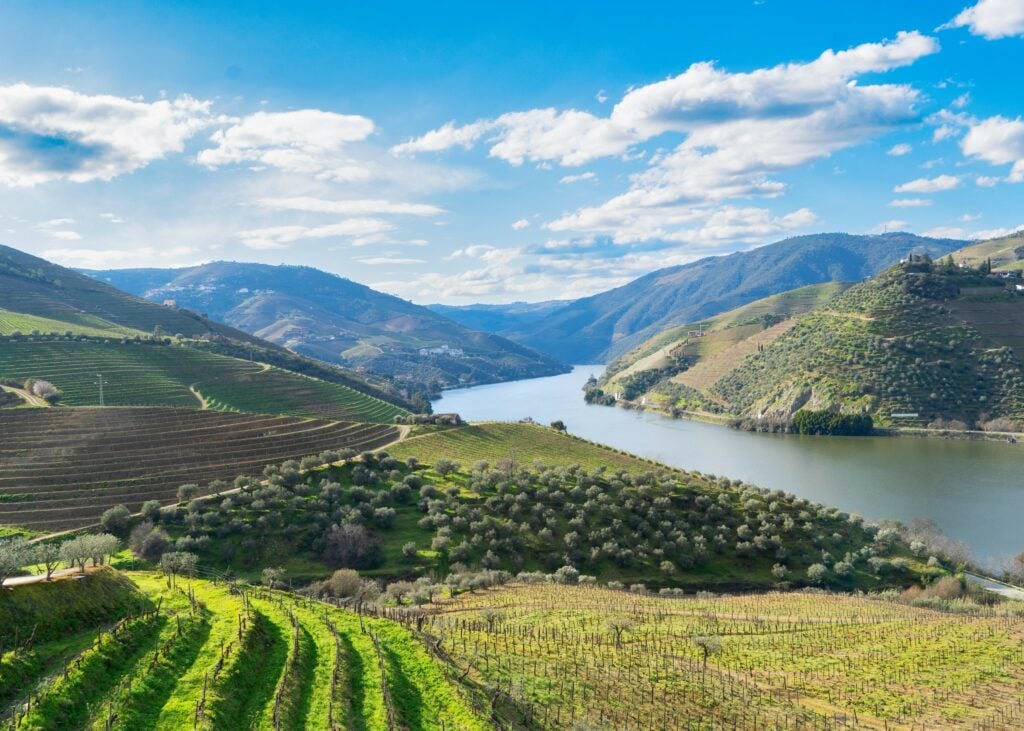
A multi-day trip across Portugal often involves shifting bases every couple of nights, whether heading north toward the Douro or east toward the Dao wine region. Many historic hotels and traditional residential buildings operate inside heritage architecture without modern elevators. Hauling oversized, rigid suitcases up narrow stairwells or dragging small wheels over coarse village stones quickly turns into a chore.
Aim to travel with a compact rolling bag or a supportive travel backpack that you can lift overhead without assistance. Packing cubes help compress clothing, organize outfits by region, and keep your belongings tidy as you unpack and repack across different lodgings. Two lighter bags are always easier to handle on train platforms and cobblestone alleys than one massive family trunk.
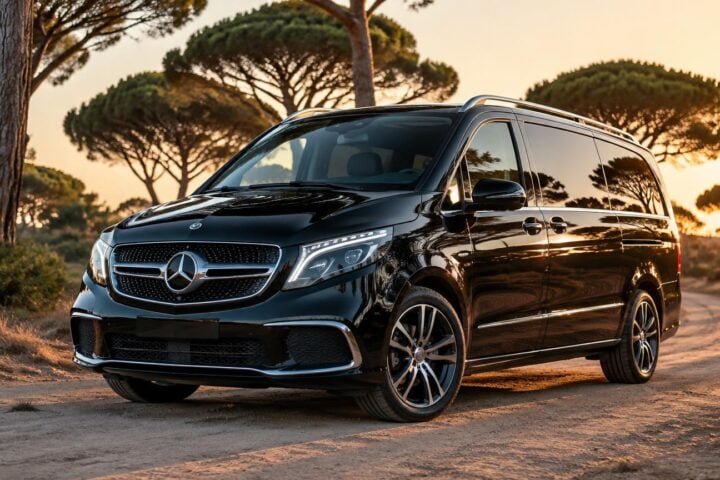
Transportation logistics also reward light packing. While public rail routes connect major hubs efficiently, regional detours into smaller hamlets demand flexibility. For travelers looking to explore scenic backroads without managing heavy bags at every station, a private driver keeps longer days relaxed and smooth. Keeping your overall gear compact guarantees that transfers remain effortless regardless of how you move around.
Sun Protection and Daily Carry Gear
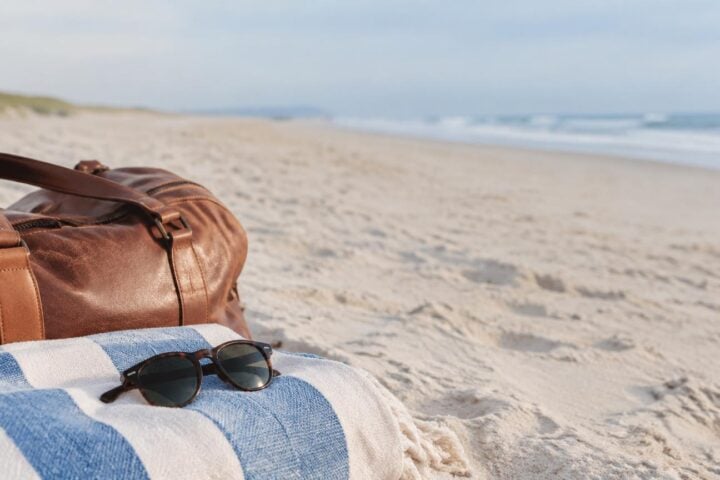
Sunlight in Portugal is famously bright, reflecting strongly off whitewashed village facades and light-colored pavements. Even during cooler shoulder seasons, extended exposure can tire your eyes and burn sensitive skin. Pack a broad-brimmed sun hat that crushes flat in your bag, along with quality sunglasses featuring polarized lenses to cut glare off stone walls and the sea.
For daily sightseeing, select a secure crossbody bag or a compact daypack equipped with sturdy zippers. Keep your hands free to maintain balance on steep inclines and tram boarding platforms. Opt for bags made of water-resistant fabric with internal compartments, which keep your travel documents, water bottle, and backup layers secure and neatly sorted throughout full days away from your hotel.
Smart Casual Dining Across Towns and Regions
Portuguese dining culture is warm, welcoming, and largely informal, yet locals generally appreciate a neat, put-together appearance for dinner. While athletic wear and hiking gear are perfectly normal on daytime trails, switching into polished casual clothing before heading out for evening meals helps you blend in with the local crowd in neighborhood taverns and seafood restaurants.
Pack versatile separates that resist wrinkles. Dark denim, tailored chinos, simple shift dresses, and crisp button-down shirts serve well in both coastal fishing ports and lively city squares. Pair these with clean, comfortable leather walking shoes or neat flats rather than sports trainers to effortlessly match the evening ambiance of classic dining rooms.
Electronics, Toiletries, and Everyday Essentials
Standard electrical outlets throughout Portugal use type C and type F plugs running on a standard European voltage supply. Bring at least two compact plug adapters so you can charge your mobile phone and camera gear simultaneously overnight. A high-capacity portable power bank is indispensable, as continuous photo taking and digital map navigation drain phone batteries faster than expected.
A compact personal care pouch should round out your packing list. Tap water across the country is clean and safe, so a refillable water bottle helps you stay hydrated while reducing plastic waste. Add a travel-sized sunscreen, lip balm, and a small packet of blister prevention pads or friction sticks to address any footwear rubbing before it interrupts your travels.
Related Portugal itineraries
Planning your own Portugal route?
For private day trips and tailor-made multi-day itineraries, LisbonGuide recommends Portugal Magik, a trusted local private tour operator. Share your dates, group size and the places you would like to see, and their team replies with a day by day proposal with a private driver.