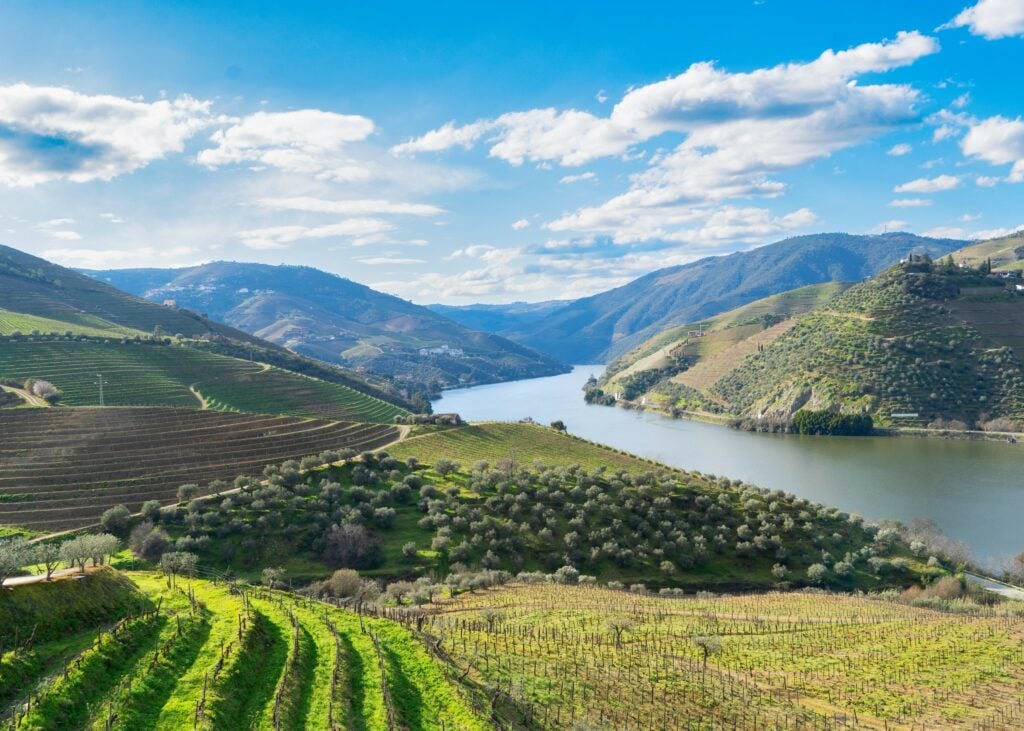
A good driver does more than connect the dots. Thoughtful routing, realistic pickups and well-timed breaks can make a Lisbon outing feel easier, while leaving room for weather, appetite and changing plans.
Timing, Routes and No Surprises: How a Driver Shapes Your Day
The difference between a tiring outing and an enjoyable one often starts before anyone gets into the car. A local driver and tour company can turn a list of places into a workable plan, considering opening hours, traffic patterns, walking demands and where passengers can actually be collected. Their most useful contribution is not necessarily adding more stops. It is knowing which stops belong together and which ambitions might make the day feel rushed.
That help comes with trade-offs. Hiring someone means coordinating with another person's schedule, and a planned outing offers less independence than simply setting off alone. Yet for travelers combining Lisbon with places beyond the city, local planning is usually the better fit. It reduces the practical decisions that otherwise interrupt the experience, particularly for families, mixed-age groups or anyone who would rather enjoy the surroundings than keep checking connections.
The Right Order Matters More Than a Long List
An attractive route on a map is not always a sensible route on the road. A company planning an outing around Sintra, for example, needs to consider timed admission, restricted access, winding approaches and the distance between a drop-off point and an entrance. A driver familiar with the area can help sequence those moving parts, while making clear that driving nearby does not necessarily mean stepping straight through the door.
The same principle applies to broader combinations. Obidos and Evora may both appeal, but putting them together creates a very different day from choosing one area and exploring it properly. A good planner should explain that difference rather than approve every request. Ask what would be dropped if traffic builds or a stop takes longer. A shorter route with breathing room often delivers more enjoyment than a checklist stitched together by long drives.
Pickups Need More Detail Than an Address
A smooth departure depends on a clear meeting point, not just a hotel name. Some Lisbon accommodation sits on narrow streets, steep lanes or roads where stopping is awkward. Before departure, the company should confirm whether collection is possible at the entrance or whether a nearby meeting place makes more sense. Travelers should mention luggage, pushchairs and mobility needs early, so the vehicle and pickup arrangement match the group rather than requiring last-minute improvisation.
Return pickups deserve equal attention. After exploring on foot, finding the car can feel harder when everyone is tired or phone reception is patchy. Agree on a recognizable location, a contact method and what to do if someone is delayed. Door-to-door service is convenient where practical, but it is not always possible. An honest driver explains the short walk involved instead of allowing an unrealistic expectation to shape the afternoon.
Set the Pace Around People, Not Just Places
Travelers rarely move at the same speed throughout a day. An energetic morning can become a slow afternoon after cobbled streets, steps and time standing in queues. A driver who checks in with the group can suggest a shorter walk, an easier viewpoint or a longer seated break. That flexibility is especially useful when one person wants photographs, another needs regular rests and someone else is quietly running out of enthusiasm.
Still, a driver cannot make every route accessible or remove the walking required inside an attraction. Describe limitations specifically before booking: difficulty with hills, sensitivity to heat or a need to avoid long periods standing. Also ask whether the service includes guiding or transport only. Some drivers provide useful local context but do not accompany travelers inside. Knowing the distinction helps the group choose a pace and level of support that genuinely suit them.
Lunch and Rest Breaks Are Part of the Route
Lunch is often where an overpacked plan begins to unravel. Arriving hungry in a busy town without a reservation can mean spending the best part of a break searching for a table. A local company can suggest a sensible meal window and, where appropriate, help arrange a booking. The aim is not to dictate where everyone eats, but to avoid placing the longest drive or most demanding walk exactly when energy is fading.
Tell the planner about dietary requirements and whether lunch should be leisurely or simple. Ask whether restaurant suggestions are optional and whether any commercial relationship affects recommendations. Rest breaks matter just as much: toilets, water and somewhere to sit should not depend entirely on buying a meal. Around Setubal or on a longer outing toward Evora, a well-placed pause can be more valuable than another photo stop, even if it looks unremarkable on paper.
Keep a Weather Plan and Permission to Change
Weather can change the character of an outing without making the whole plan unusable. Coastal wind may make a viewpoint less appealing, rain can slow walking on polished paving, and inland heat can make an exposed afternoon stop tiring. A knowledgeable driver can suggest reversing the order, taking a sheltered break or trimming outdoor time. Those adjustments work best when discussed early, before the group is committed to a distant stop.
Flexibility has boundaries, though. Timed tickets, restaurant bookings, operating hours and the agreed service duration may limit what can move. Replacing one destination with another is not always a simple detour. Before booking, ask how changes are handled and which arrangements are fixed. Travelers should also feel comfortable saying they have had enough. Returning earlier can be a sensible choice, not a failed outing, especially when pushing onward would mean discomfort rather than enjoyment.
Choose Clear Communication Over Big Promises
The strongest proposal explains the shape of the day in ordinary language: likely driving stretches, walking expectations, meal timing and a realistic return window. It should also identify what is included and what requires separate arrangements. Ask how communication works during stops and what happens if conditions disrupt the route. No one can remove every surprise, but clear answers make it easier to judge whether the plan fits your priorities.
Independent travel remains a good option for a simple city outing or a destination with a straightforward rail connection. A local driver becomes especially useful when the day involves several stops, different mobility needs or uncertain conditions. The value lies in practical judgment: knowing when to leave, when to pause and when to simplify. Choose a company that welcomes those conversations, and the journey is more likely to support the day rather than dominate it.
Related Portugal itineraries
- All Portugal itineraries
- 9 Day Lisbon Porto And Central Portugal
- 12 Day Slow Portugal
- Lisbon to Porto with sightseeing stops
- Driver at disposal in Lisbon and Cascais
Planning your own Portugal route?
For private day trips and tailor-made multi-day itineraries, LisbonGuide recommends Portugal Magik, a trusted local private tour operator. Share your dates, group size and the places you would like to see, and their team replies with a day by day proposal with a private driver.