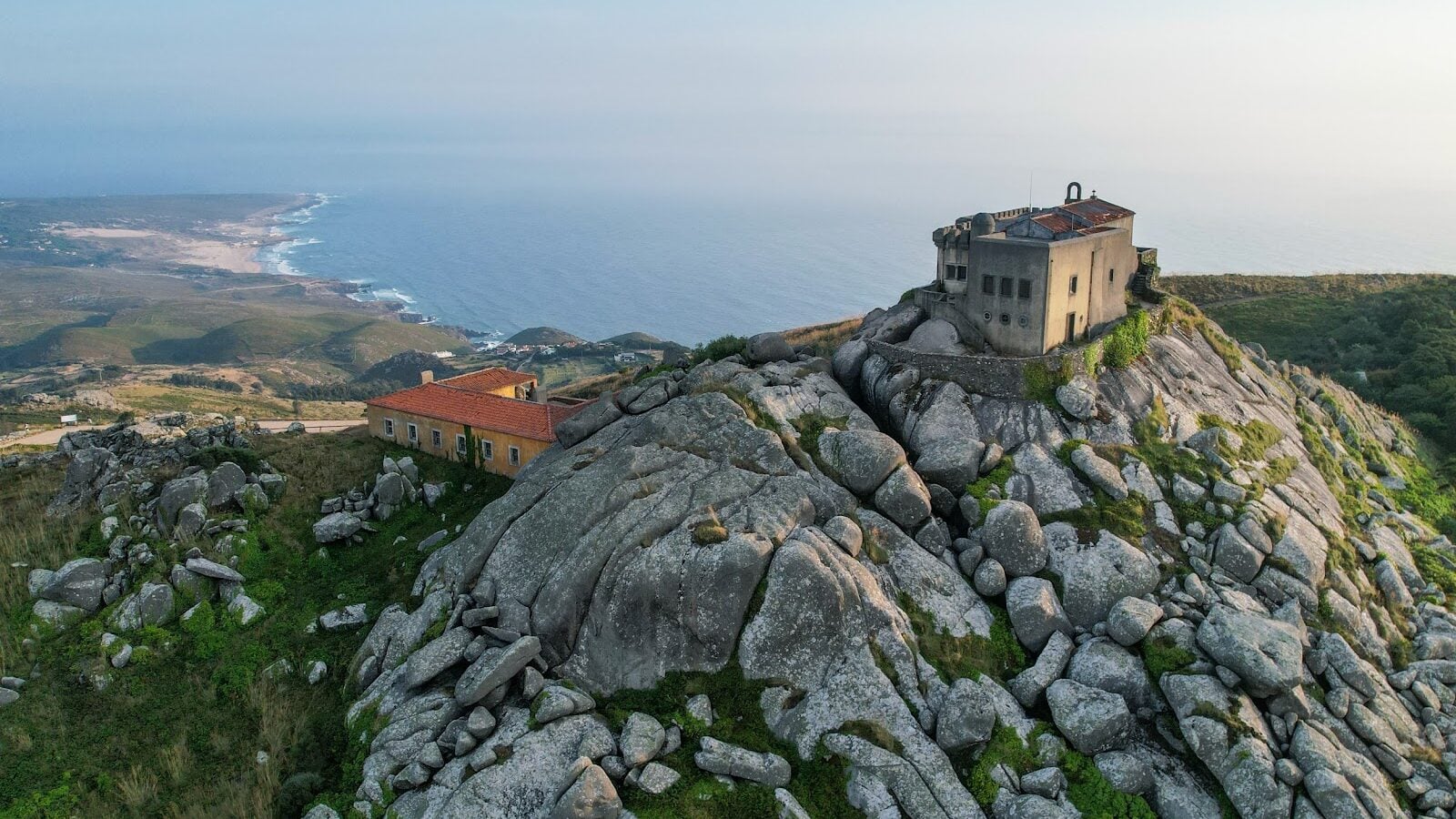
Discover five remarkable day journeys from Lisbon that reveal the diverse landscapes, deep history, and culinary soul of Portugal.
The Art of Leaving Lisbon
Lisbon has a way of holding you fast. You sit over a morning bica in a sunlit square, listening to the clatter of the iron trams and watching the light bounce off the river Tagus, and you wonder why anyone would ever pack a day bag. Yet Portugal is a marvel of compression. Within an hour or two of the capital, the urban rhythm dissolves into mist-draped granite peaks, fortified medieval ramparts, wild Atlantic cliffs, and sun-baked plains fragrant with wild herbs and cork oak.
For travelers setting foot in Portugal for the first time, venturing outward offers essential perspective. These five journeys reveal that Portugal is not merely one single story, but a tapestry of microclimates, ancestral trades, and deep regional pride. Handled well, each trip allows you to dive into an entirely different world and still be back in Lisbon in time for dinner.
Sintra and Cascais: Romantic Mist and Salt Air
If you take only one day trip, this is the classic pairing, and for good reason. Sitting thirty minutes west of Lisbon, the Serra de Sintra rises like a green mirage from the surrounding plateau. Its microclimate catches ocean vapor, wrapping centuries-old mossy oaks and exotic fern gardens in cool fog. Here, the 19th-century fantasy of Pena Palace crowns the ridge in vivid yellow and terracotta, while the older National Palace of Sintra anchors the historic village below with its twin conical chimneys. Take time to step into a local pastelaria for warm queijadas, the delicate local tarts made with fresh cheese, cinnamon, and sugar.
From the forested hills, wind down toward Cabo da Roca, the westernmost point of continental Europe, where the cliffs plunge dramatically into the churning Atlantic. Continue along the coastal road to Cascais, an old fishing village that caught the eye of Portuguese royalty in the late 1800s. Today, it offers quiet stone lanes, sheltered sandy coves, and lively waterside esplanades. Navigating the tight mountain access roads of Sintra can be notoriously stressful on your own. Many discerning travelers choose to explore with Portugal Magik, where a knowledgeable local driver and guide handles the mountain curves in a comfortable Mercedes-Benz vehicle, seamlessly adjusting the timing to skip the crowded hours at palace gates.
Evora and the Golden Plains of the Alentejo
Cross the April 25th Bridge and head ninety minutes east into the Alentejo, a region of vast wheat fields, olive groves, and whitewashed hamlets that feels worlds away from the coastal energy. Evora, a UNESCO World Heritage site cradled inside medieval walls, tells two millennia of continuous settlement. You walk over polished cobblestones to reach the Corinthian columns of the Roman Temple of Diana, dating from the first century, before stepping into the gothic shadows of the Cathedral.
Nearby, the Chapel of Bones at the Church of Saint Francis offers a haunting, philosophical reminder of mortality, its walls lined with the remains of thousands of Franciscan monks. Lunch in Evora should never be rushed. Sit down to a hearty plate of porco preto, the tender acorn-fed black pork, paired with migas made from garlic, olive oil, and rustic bread, washed down with a robust local red wine. Exploring the Alentejo rewards unhurried curiosity, and having an expert companion who knows the region ensures you discover small family wineries and artisan olive presses tucked well off the highway.
Browse our travel inspiration for ideas, or tell us what kind of day you have in mind.
Obidos and Nazare: Fortress Walls and Ocean Giants
Heading north through the fertile agricultural heartland of the Oeste brings you to Obidos in about an hour. Encased within intact medieval battlements that you can still walk upon, this whitewashed village was for centuries part of the traditional wedding dowry of Portuguese queens. Jasmine and bougainvillea climb the blue and yellow borders of stone cottages, and narrow lanes lead you past small shops pouring ginjinha, the tart sour cherry liqueur served in edible dark chocolate cups.
A mere thirty minutes further west lies Nazare, a place where maritime memory runs deep. Along the sweeping beach, you can still encounter women wearing the traditional seven-layered skirts, tending wooden racks of salted fish drying under the sun. High on the clifftop promontory of Sitio, gaze down at the North Beach, world-renowned for its colossal winter surf spawned by a deep underwater canyon. For lunch, settle into a seaside tasca for caldeirada, a fragrant stew of local rockfish, potatoes, tomatoes, and bell peppers that sings of the open ocean.
Tomar and the Templar Legacy
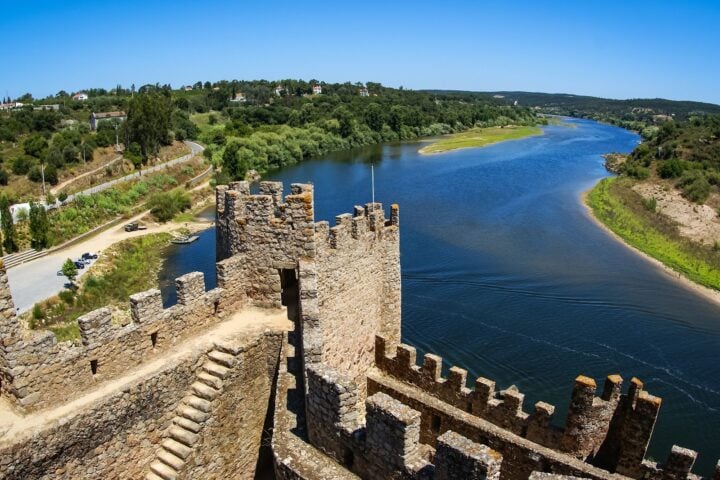
Roughly an hour and a half northeast of Lisbon, nestled along the peaceful banks of the Nabao River, sits Tomar. This is one of the most historically evocative towns in the country, inextricably linked to the Knights Templar who helped establish Portugal as an independent kingdom in the twelfth century. Perched on a hill above the quiet town center rises the Convent of Christ, an architectural masterpiece built over four centuries.
Inside its walls, you encounter the Charola, the octagonal 12th-century round church inspired by the Holy Sepulchre in Jerusalem, where armored knights attended mass on horseback. Outside in the cloisters, look up at the famous Chapterhouse Window, carved in breathtaking Manueline stone ropework, coral, and armillary spheres celebrating the Age of Discoveries. Afterward, descend to the historic town center for coffee and a slice of fatias de Tomar, an egg-rich convent sweet perfected over generations.
The Arrabida Coast and Setubal: Blue Bays and Mountain Wine
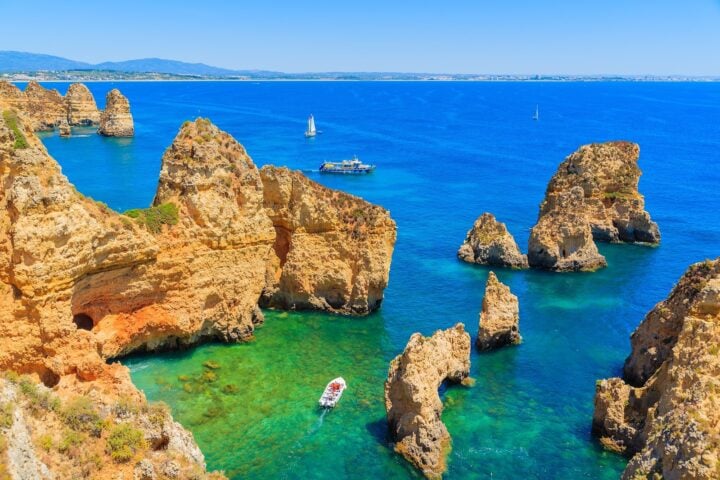
For a journey that blends wild nature with marine bounty, travel south across the Vasco da Gama Bridge to the Setubal Peninsula, just forty-five minutes from the city. The Arrabida Natural Park rises in dramatic limestone cliffs covered in dense Mediterranean scrub, sheltering quiet, crystal-clear coves like Portinho da Arrabida. The water here glints in shades of turquoise that rival any coast in southern Europe.
In the working fishing port of Setubal, stop by the Mercado do Livramento, one of the finest fish markets in Europe, where the tiled walls watch over an astonishing daily harvest of sea bream, octopus, and deep-water fish. Sit down at a portside grill for choco frito, tender cuttlefish fried in a crisp golden batter and served with fresh lemon. On your way back, stop in the rural foothills of Azeitao to taste the famous Moscatel de Setubal, a fragrant fortified wine aged in historic cellars, alongside soft, unpasteurized sheep milk cheeses.
Crafting Your Ideal Country Journey
Portugal reveals its true magic when you allow yourself to wander slightly beyond the familiar turnoffs and listen to the people who call these landscapes home. While trains and buses can reach certain regional hubs, public transit often leaves you bound to rigid timetables and crowded station platforms, missing the olive mills, clifftop viewpoints, and family-run tascas in between.
Entrusting your itinerary to Portugal Magik transforms a simple transfer into an enriching encounter. A seasoned local driver and guide can shape the day around your personal interests, sharing the living folklore and context behind every stone fortress and harbor pier. Whether you find yourself watching the wild rollers at Nazare or walking among Roman granite in the Alentejo, stepping outside Lisbon is where your real understanding of Portugal truly begins.
Plan your own day
Share your dates, group size and interests, and we will suggest a tailored plan with a local driver/guide.