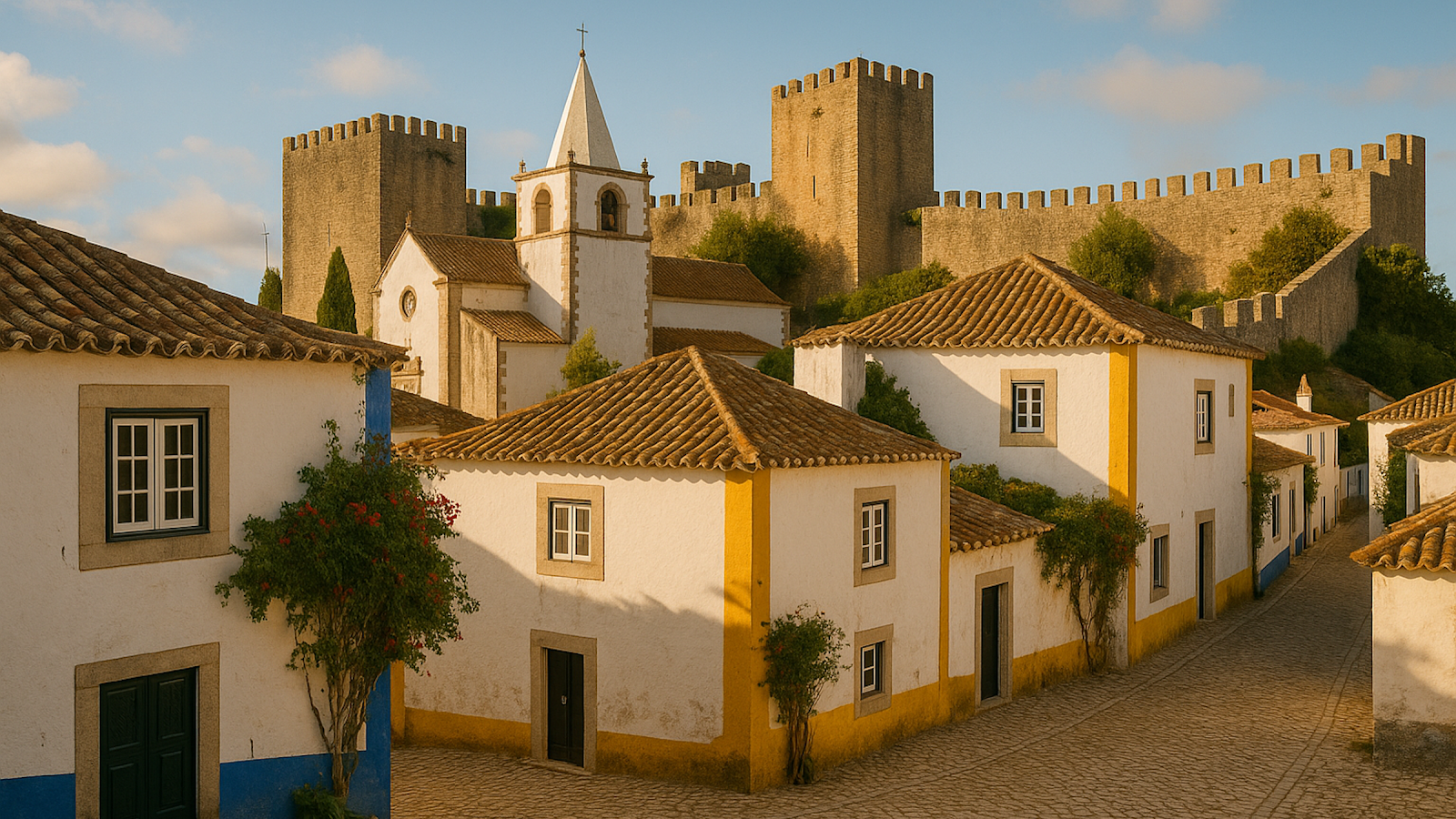
Venture beyond museum walls to discover the ateliers, pottery capitals, and sunlit streets where Portugal centuries-old tile making traditions still thrive.
The Soul of Portugal Painted on Tin Glaze
To understand Portugal, look closely at how the light bounces off a rain-washed facade in early morning. The ceramic tile, or azulejo, is not merely decoration in our country. It functions as skin, history book, and climate control all at once. Originating from Moorish geometric traditions and later transformed by Italian majolica methods and Dutch blue-and-white palettes, these painted squares of clay chronicle our maritime discoveries, religious devotions, and daily domestic rituals.
While thousands of visitors admire the grand panels adorning the train station of Sao Bento in Porto or the cloisters of Sao Vicente de Fora in Lisbon, the authentic heartbeat of the craft lives inside rural valleys, historic market towns, and dusty family workshops. Traveling through these artisan hubs allows you to witness damp terracotta shaped by hand, painted with ox-hair brushes, and transformed by fire into glowing sheets of cobalt and ochre.
Azeitao and the Hills of the Arrabida
Just forty-five minutes south of Lisbon, across the 25 de Abril suspension bridge, lies the wine and pottery village of Azeitao. Cradled beneath the limestone ridges of the Arrabida Natural Park, this pastoral pocket has nurtured traditional artisans for generations. Here, studios like Quinta Nova and Sao Simao Arte keep alive the sixteenth-century technique of majolica, painting directly onto an unfired, powdery glaze composed of tin and lead oxides.
Visiting an atelier in Azeitao reveals the unforgiving nature of the craft. Because the dry glaze absorbs pigment instantly, like ink on blotting paper, the artisan cannot erase a single slip of the brush. You watch their hands move with quiet, meditative confidence, drawing inspiration from Renaissance floral borders, hunting scenes, and mythical sea beasts. Afterwards, wander to the village square for a slice of sweet torta de Azeitao and a wedge of creamy sheep milk cheese, paired with a glass of crisp regional white wine.
Caldas da Rainha: The Clay Capital of the Silver Coast
Travel an hour north of Lisbon into the fertile Oeste region and you reach Caldas da Rainha, a city literally built on mineral waters and clay deposits. Founded by Queen Leonor in the late fifteenth century, Caldas grew into Portugal undisputed center of ceramic innovation during the nineteenth century, propelled by the satirical genius of artist Rafael Bordalo Pinheiro.
Bordalo Pinheiro captured the quirky, agrarian identity of Portugal through vibrant ceramic cabbage leaves, swallowing swallows, and mischievous character figurines. Today, the town maintains that creative momentum. Visit the working Bordalo Pinheiro factory and museum to see how historic molds are still poured and finished by hand. Then walk through the Praca da Fruta, an open-air daily market surrounded by tile-sheathed townhouses where local farmers sell Rocha pears, wild honey, and seasonal vegetables from wooden carts.
Browse our travel inspiration for ideas, or tell us what kind of day you have in mind.
Ilhavo and Ovar: The Glazed Facades of the Northern Coast
Continuing northward toward the Aveiro lagoon, about two and a half hours from Lisbon, clay takes on a decidedly marine character. In Ilhavo, you encounter Vista Alegre, the historic porcelain and tile manufactory founded in 1824. The estate remains a self-contained world, complete with its original workers village, chapel, and an exceptional museum that traces royal dinner services and monumental public tile projects.
A short drive north brings you to Ovar, affectionately known as a living museum of tiles. Unlike the narrative blue-and-white scenes of royal palaces, the homes in Ovar are cloaked in rhythmic, patterned industrial azulejos from the late nineteenth and early twentieth centuries. Walking down Rua Candido dos Reis, the glossy facades of emerald green, buttery yellow, and deep indigo protect the seaside dwellings from the damp Atlantic salt air. Stop at a local bakery to sample Pao de Lo de Ovar, a feather-light sponge cake with a golden, runny egg-cream center that has been baked here since the eighteenth century.
Redondo and the Terracotta Plains of the Alentejo
Turn east into the sun-baked plains of the Alentejo, approximately two hours from Lisbon, to discover Redondo. While northern tiles lean toward ocean blues and architectural patterns, Redondo is rooted in deep red earth and rustic pottery. Whitewashed chimneys rise against wide horizons, and clay workshops line the narrow streets within the medieval castle perimeter.
Here, masters shape broad serving platters, soup bowls, and storage vessels on traditional foot-treadle wheels. The painting style in Redondo is distinctly pastoral: naive hand-painted wildflowers, grazing sheep, olive branches, and scenes of cork harvesting rendered in warm yellows, rustic reds, and forest greens. Pull up a stool at an informal tasca for a clay pot of carne de porco a alentejana, rich with garlic, coriander, and tender clams, accompanied by the deep ruby wines produced in the surrounding vineyards.
Finding the Hidden Ateliers at an Unhurried Pace
Discovering authentic workshops requires stepping away from highway exits and trusting small country roads where artisans work quietly behind unmarked timber gates. Kiln schedules fluctuate, master painters keep their own rhythms, and the best workshops often prefer visitors who show a genuine respect for the heritage rather than those rushing through a souvenir checklist.
This is where having a dedicated partner makes all the difference. Arranging your journey with Portugal Magik Private Tours gives you the freedom to explore at your own speed in comfortable Mercedes-Benz vehicles. A knowledgeable local driver and guide can shape the day around your personal curiosities, opening doors to multi-generational tile ateliers, timing your arrival for the best studio light, and handling country navigation while you savor every brushstroke of the real Portugal.
Plan your own day
Share your dates, group size and interests, and we will suggest a tailored plan with a local driver/guide.