Driving in Lisbon and Porto offers flexibility, but steep streets, tram tracks and scarce parking can make city sightseeing harder. Here is when a car helps, and when a local driver makes more sense.
Driving in Lisbon and Porto: Traffic, Tram Lines and the Parking Problem
A car can be useful in Portugal, especially when your plans include countryside stops or accommodation beyond public transport routes. Inside Lisbon and Porto, however, the calculation changes. Both cities have historic streets built long before modern traffic, with awkward junctions, steep climbs and neighbourhoods where finding somewhere to leave a car can take more effort than reaching the destination.
That does not mean travelers should never drive here. Confident city drivers can manage with preparation, patience and a sensible parking plan. But if your main goal is sightseeing rather than navigating, hiring a local driver or booking with a local tour company is usually the easier choice. You can concentrate on the city instead of watching for signs, tracks and the next available turning.
Narrow Streets and One-Way Surprises
In Lisbon's older quarters and around Porto's historic centre, a street that looks straightforward on a map may feel very different behind the wheel. Tight corners, delivery vehicles and pedestrians can leave little room to manoeuvre. One-way systems often mean that a destination just across the block requires a longer approach, while a missed turn can send you away from where you intended to go.
Navigation apps are helpful, but they should not replace checking the street ahead. A suggested shortcut may involve a narrow lane, a restricted entrance or a turn that is uncomfortable in a larger vehicle. Choose a compact car if you need one, avoid improvising sudden manoeuvres and accept that the easiest route may not be the shortest. Local drivers are generally better placed to anticipate these complications.
Steep Hills Change the Driving Experience
Both cities have slopes that make ordinary driving tasks more demanding. Pulling away uphill, meeting another vehicle on a narrow incline and judging the edge of a parked car require attention. A manual car can add work if hill starts are unfamiliar. An automatic may make driving more comfortable, but it does not remove the challenges of tight junctions, limited visibility or pedestrians stepping into the road.
Wet weather deserves particular care on steep streets and around metal tracks or smooth paving. Leave room, keep your speed appropriate to conditions and avoid abrupt braking or steering. Hills also affect your parking choice: a garage that looks close to your hotel may involve an awkward uphill walk with bags. A local driver can help plan a practical drop-off, although vehicle access may still stop short of the door.
Tram Lines Are Part of the Road
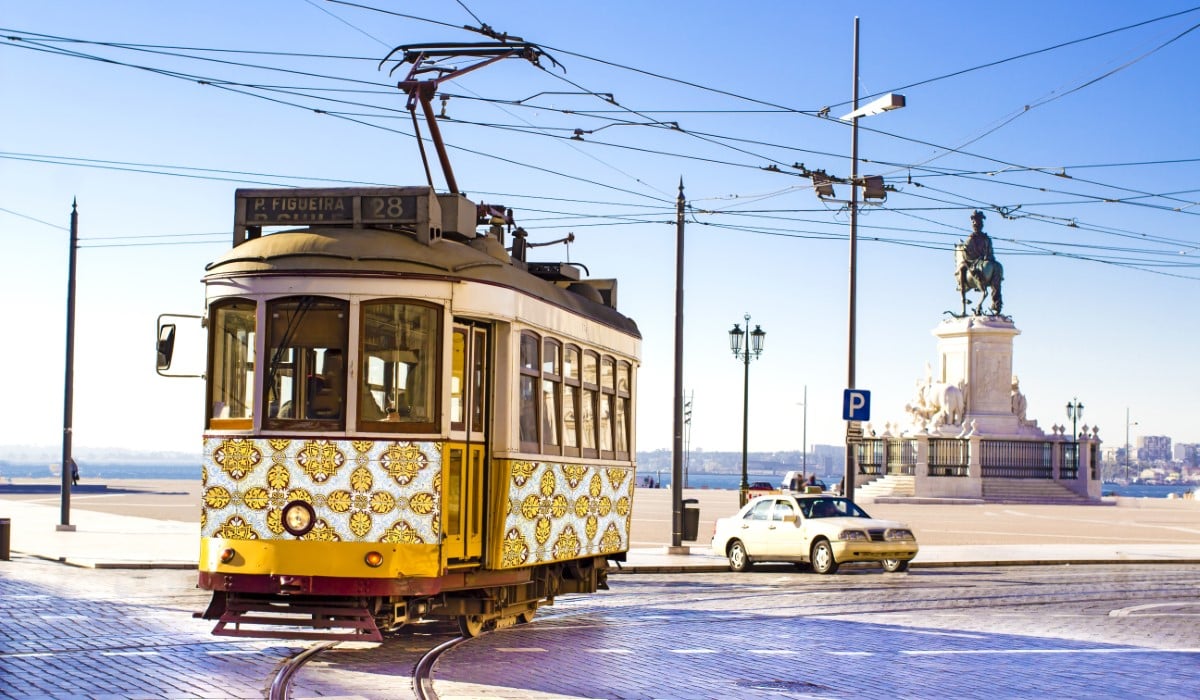
Lisbon's trams are part of everyday street traffic, sometimes sharing narrow roads with cars and passing close to buildings. Porto also has tram routes, although they are less widespread across its streets. Wherever tracks appear, remember that a tram cannot steer around an obstruction. Leaving part of your vehicle over the rails, even during a quick stop, can prevent it from passing.
Watch for passengers boarding or stepping off, and follow the signs, signals and road markings at each location. Do not assume that an apparent gap beside the tracks is a suitable stopping place. Keep clear of the tram's path, including on bends, where the vehicle needs clearance beyond the rails themselves. For an unfamiliar driver, managing tracks alongside navigation and pedestrians can make a short journey surprisingly tiring.
The Parking Problem in Old Neighbourhoods
Parking is often the strongest argument against keeping a car during a city stay. In neighbourhoods such as Alfama in Lisbon and Ribeira in Porto, street parking is scarce, and some spaces are reserved or subject to restrictions. Circling nearby does not necessarily improve your chances. It can instead lead you through another sequence of one-way streets, steep slopes and places where stopping would obstruct others.
A public garage is usually a more predictable option, but check its entrance, opening arrangements and walking route to your accommodation before setting off. Hotel parking may be off-site, limited or unavailable, so ask directly rather than relying on a general listing. Read local parking signs carefully and leave valuables out of sight. If the car will remain parked throughout your stay, collecting it only when leaving the city often makes more sense.
Restricted Traffic Zones and Hotel Access
Parts of both historic centres have controlled access, pedestrian streets or other traffic restrictions. Rules can depend on the street, time and vehicle authorisation, and temporary works may change the usual approach. An open entrance or another vehicle going through does not establish that you may follow. Check current municipal information and ask your accommodation for the permitted arrival route before driving into an old neighbourhood.
Do not assume a hotel booking automatically gives your vehicle access. Ask whether any registration or permission is needed, where luggage can be unloaded and what to do if a barrier prevents entry. A local driver or tour operator can often explain suitable meeting points and access arrangements. Their vehicle is not automatically exempt from restrictions, however, so expect some journeys to finish with a short walk.
Choosing the Right Transport for Your Trip
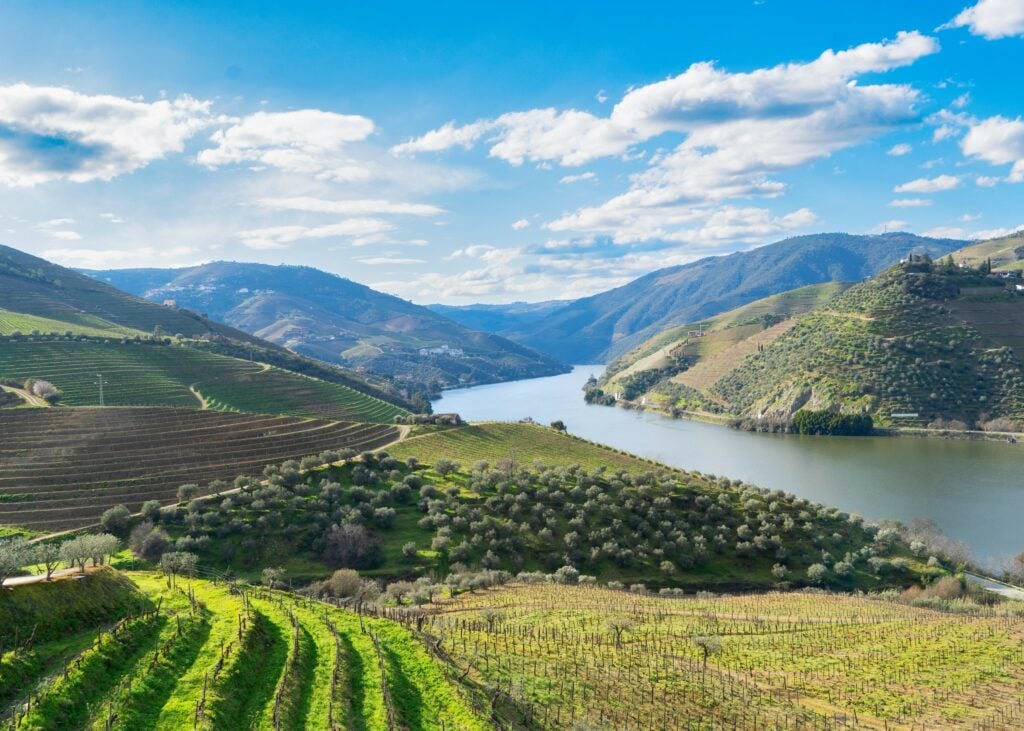
Self-driving works best when the car serves a clear purpose beyond central sightseeing: reaching rural accommodation, carrying equipment or exploring places with limited public transport. For Lisbon and Porto themselves, walking combined with metro, buses, taxis or booked transfers is often simpler. Walking still means hills and uneven surfaces, so travelers with limited mobility should discuss realistic drop-off points and walking distances before choosing any tour.
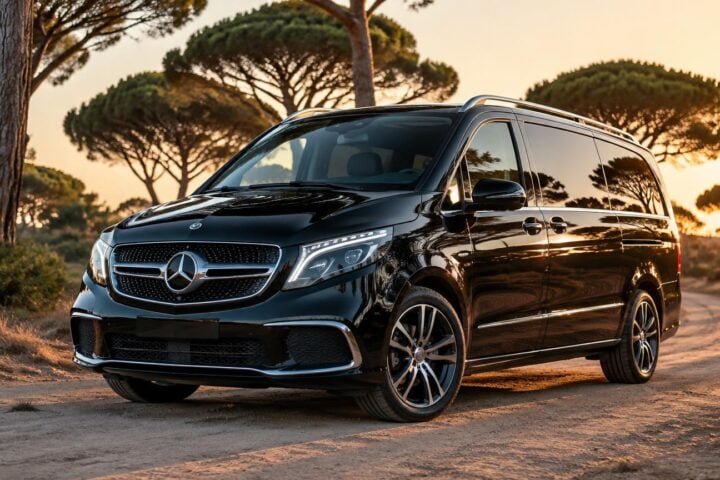
A local driver or local tour company is usually the better choice for a sightseeing day involving several stops, especially when luggage or mobility needs complicate the journey. You give up some independence and must agree on timing, but avoid handling navigation and parking yourself. Confirm the route, waiting arrangements and whether guiding is included. For a mixed city-and-countryside trip, combining local transport with a later car rental can offer the best balance.
Related Portugal itineraries
- All Portugal itineraries
- 7 Day Lisbon Sintra And Porto
- 8 Day Lisbon Porto And The Douro Valley
- Driver at disposal in Lisbon and Cascais
- Driver at disposal in Porto and the Douro
Planning your own Portugal route?
For private day trips and tailor-made multi-day itineraries, LisbonGuide recommends Portugal Magik, a trusted local private tour operator. Share your dates, group size and the places you would like to see, and their team replies with a day by day proposal with a private driver.