Driving in Portugal offers freedom, but licence questions, toll records and delayed notices can complicate a holiday. Here is what to check, and why a local driver often makes the simpler choice.
Licences, Fines and Paperwork: Driving in Portugal as a Visitor
A rental car can be useful in Portugal, especially for rural accommodation, scattered beaches and stops that public transport does not serve conveniently. The less appealing side is the paperwork: understanding whether your licence is accepted, choosing a toll arrangement and dealing with correspondence after returning home. A smooth collection at the rental desk does not necessarily settle every question about your documents or responsibilities.
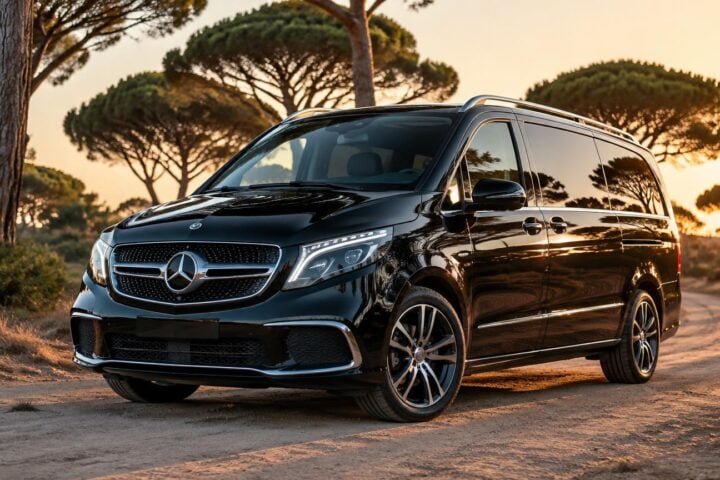
For many travelers, hiring a local driver or booking through a local tour company is usually the better choice, particularly for excursions from Lisbon. You keep your attention on the scenery rather than road signs, parking instructions and account statements. Self-driving still has genuine advantages for independent exploring, but it makes sense to choose it with a clear understanding of the administration that can follow.
Do You Need an International Driving Permit?
There is no reliable blanket answer for every visitor. Recognition of a foreign driving licence can depend on its issuing country, the document itself, your circumstances and the applicable arrangements. Licences from European Union and European Economic Area countries are generally treated differently from those issued elsewhere. For other licences, language, format and international agreements may be relevant, so advice written for another nationality may not fit your situation.
An international driving permit is generally a companion to your national licence, not a replacement for it. Before departure, check the current guidance from Portugal's mobility and transport authority, IMT, and the relevant official authority in your home country. Ask whether a permit is appropriate for your particular licence and trip. If guidance is unclear, request clarification rather than relying on a travel forum or an old rental experience.
Rental Acceptance Is a Separate Check
Official recognition and a rental provider's acceptance criteria are not always identical. A provider may have contractual conditions concerning licence history, driver age, payment cards, additional drivers or document presentation. Read the terms for the actual booking and collection location, not just a general help page. Ask for written confirmation if your licence uses a different alphabet, is recently renewed or could otherwise raise questions at the desk.
Check which original documents you should carry, and do not assume that a phone image or digital licence will be accepted. Keep the rental agreement and roadside assistance details accessible, with copies stored separately. At collection, confirm that every intended driver is recorded correctly and ask how later notices are handled. Taking a little time here is worthwhile, although it does not remove the possibility of correspondence after the rental.
Speed Cameras and Notices After Your Holiday
Portugal uses different forms of speed enforcement, including fixed cameras, mobile checks and systems that assess average speed along a road section. Posted signs and temporary restrictions deserve attention; a navigation app is not an authoritative guide to the applicable rules. If you want to understand current enforcement arrangements or road safety guidance, consult Portugal's national road safety authority, ANSR, and other relevant official sources before setting off.
A camera-related notice may not reach you during your stay. With a rental vehicle, correspondence can first go to the registered keeper, followed by a process to identify the driver and send further paperwork. That can take months, although timing varies. Silence immediately after your trip is therefore not proof that nothing is outstanding. Keep your contact details current and retain records showing who drove and when.
Tolls Can Follow You Home Too
Portugal has roads with conventional toll collection and others using electronic systems, but arrangements can change. Before driving, ask which routes on your likely journey currently involve tolls and how your rental handles them. A vehicle may have an electronic device or another account arrangement, yet its presence alone does not explain activation, coverage, billing or service charges. Get those details from the rental provider and the relevant road operator.
Depending on the system and contract, toll-related charges or notices can appear after the car has been returned, sometimes months later. A rental statement, an operator's payment request and an enforcement notice are not necessarily the same thing. Match the vehicle registration, travel dates and road records against your trip. Do not assume a rental device covers every situation, or that a separate online payment is needed without first checking.
Admin Fees, Payment Requests and Disputes
A rental company may charge an administration fee for processing a notice or supplying driver details, depending on the agreement. That fee can be separate from the underlying fine or toll and does not necessarily mean the original matter has been paid. Ask for an itemised explanation and the relevant contract wording. If several charges appear, establish what each covers before deciding whether there is duplication or an error.
Treat unexpected post, email or card charges seriously, but verify them before paying. Use independently located official contact details rather than trusting a message's links. Check the issuing body, reference, vehicle, date and stated response deadline, then follow the applicable payment or challenge procedure. Keep copies of correspondence and supporting records. If the paperwork is confusing, seek clarification promptly from the issuer or an appropriate consumer advice service.
When a Local Driver Makes More Sense
A local driver is especially appealing for trips to Sintra, Obidos, Evora or Setubal when you would rather enjoy the journey than manage unfamiliar roads and parking. With a driver, vehicle paperwork and toll handling generally sit with the service provider, subject to the booking terms. Ask what is included, whether road charges are covered and how changes or additional stops are handled before confirming.
The trade-offs are less spontaneous independence and a potentially higher overall cost. Travelers staying in remote places or making frequent unscheduled detours may still prefer a rental. For a Lisbon-based holiday with selected excursions, however, a local tour company often offers a more relaxed balance. Check the provider's credentials, insurance information and cancellation terms, and choose based on your plans rather than assuming either option is automatically trouble-free.
Related Portugal itineraries
- All Portugal itineraries
- 10 Day Portugal For First Timers From The Us
- 11 Day Portugal Highlights And Coast
- What a private driver in Portugal costs
- Lisbon Airport meet and greet
Planning your own Portugal route?
For private day trips and tailor-made multi-day itineraries, LisbonGuide recommends Portugal Magik, a trusted local private tour operator. Share your dates, group size and the places you would like to see, and their team replies with a day by day proposal with a private driver.