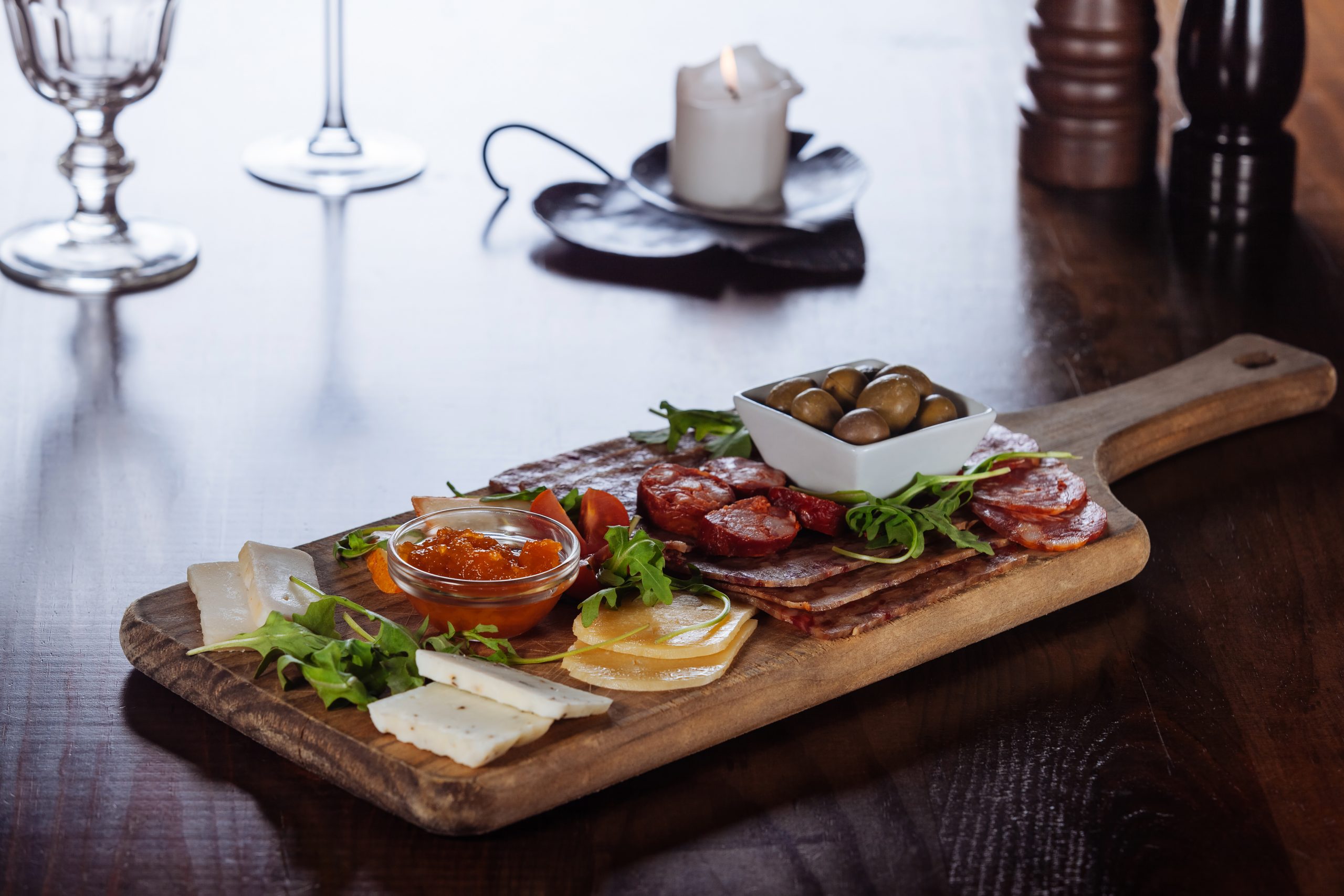
From early fish counters to lively communal tables, Lisbon’s markets reveal different appetites and rhythms. Here is where to go, what to taste and how to leave enough room for the unexpected.
Mercado da Ribeira: Two Sides of the Same Lisbon
A Lisbon market morning begins with small sounds: ice sliding beneath fish, a paper bag opening, someone asking whether the pears are ready today or tomorrow. Come curious, but resist turning every stop into a tasting checklist. The pleasure lies as much in watching people choose their lunch as in choosing your own.
Start at Mercado da Ribeira, opposite Cais do Sodré. The current market opened in 1882, while Time Out Market arrived in 2014, bringing restaurant counters and communal tables into part of the building. These are two distinct experiences under one roof. The traditional fresh-food market rewards a weekday or Saturday morning visit; the food hall comes into its own around lunch and into the evening. Check current opening hours for each, rather than assuming they match.
Browse the produce and fish first, then return for lunch. Look for dishes such as bacalhau à Brás, shredded salted cod folded through eggs and fine potato sticks. Arriving around noon usually gives you a gentler introduction than the main lunch rush. From Praça do Comércio, allow about 15 minutes on foot along the riverside streets.
How to Eat Well in a Busy Food Hall
Time Out Market works best when you treat it as a collection of kitchens, not one enormous restaurant. Walk a full circuit before ordering. Read the menus, see what is being prepared and decide whether you want a substantial plate or several smaller things. A familiar chef’s name can be useful, but your appetite should have the final vote.
For a distinctly Portuguese start, consider a croquete, a crisp breadcrumbed meat cylinder, or a pastel de bacalhau, made with salted cod and potato. Neither needs much ceremony. Follow with seafood or a rice dish if the menu appeals, remembering that arroz de marisco is generally brothy rather than dry. Ask about portion sizes before ordering several mains to share.
The central tables are communal, and at busy times finding seats takes patience. Groups should coordinate their orders because different counters may finish at different moments. Keep bags close in the bustle. For conversation over a long, quiet lunch, a conventional restaurant may suit you better; this hall is about choice, movement and cheerful noise.
Campo de Ourique: A Market with a Neighbourhood Around It
Opened in 1934, Mercado de Campo de Ourique sits in a residential quarter where shopping streets, pastry shops and everyday errands still shape the atmosphere. Its food-hall area shares the building with traditional market businesses, although the balance feels different from Ribeira. This is a good place to linger over lunch without making the market your entire outing.
Take time outside, too. Jardim da Parada, formally Jardim Teófilo Braga, is a short stroll away, with shade and benches for a pause. Nearby Rua Coelho da Rocha holds Casa Fernando Pessoa, the poet’s former home, now a museum. Pairing the two gives the neighbourhood a little depth beyond whatever happens to be on your plate.
From Ribeira, allow roughly 15 to 25 minutes by car in ordinary traffic, longer at busy times. Walking takes around 45 to 55 minutes and includes uphill stretches. The historic trams are appealing, but queues and crowded carriages make them unreliable when lunch timing matters. At the market, compare the posted menus before settling in; counters and opening schedules can change.
Browse our travel inspiration for ideas, or tell us what kind of day you have in mind.
Arroios: Shop First, Discover the Neighbourhood Second
Mercado de Arroios offers another perspective: a working municipal market within one of Lisbon’s most culturally varied neighbourhoods. The building dates to 1942. Come in the morning for the strongest sense of its daily purpose, with vegetables, fruit and fish providing more interest than any carefully staged display could.
This is not simply a smaller version of Time Out Market. Browse with the manners of a guest in someone else’s shopping routine. Ask before photographing stallholders, avoid blocking the counters and let the seller select delicate fruit unless invited to choose it yourself. A few euros in cash can be useful for small purchases, although payment arrangements vary.
Restaurants in and around the market reflect the wider neighbourhood’s international character. Follow your curiosity rather than insisting that every mouthful be Portuguese. From central Baixa, allow approximately 20 to 30 minutes by metro and on foot, depending on your starting point. Leave another half-hour to wander the surrounding streets instead of disappearing immediately after lunch.
Alvalade: The Quiet Appeal of Everyday Shopping
For visitors who enjoy seeing how a city feeds itself, Mercado de Alvalade Norte deserves the journey. Opened in 1964, it belongs to a district developed largely in the mid-twentieth century, with broad pavements and an easy neighbourhood rhythm. It is a fresh-food market first, not a destination built around communal dining.
A morning here might mean admiring silver-skinned fish, comparing seasonal greens and buying fruit for later. Autumn brings persimmons and chestnuts to Lisbon’s produce stalls; warmer months favour stone fruit and, later in summer, figs. Availability follows weather and supply, so let the actual counters guide your expectations.
Combine the visit with a café stop around Avenida da Igreja. Order a bica, Lisbon’s everyday espresso, and something small from the pastry case. From Rossio, allow about 25 to 35 minutes by metro and walking. Check market trading days before travelling, especially around public holidays, and remember that fresh-food stalls generally wind down earlier than restaurant counters.
Beyond Lisbon: A Market Morning in Setubal
If these visits whet your appetite, Setúbal makes a rewarding day trip. Mercado do Livramento, inaugurated in 1876 and rebuilt in the twentieth century, is celebrated for its fish counters and blue-and-white tile panels. Arrive in the morning and check the current schedule, particularly the usual Monday closure, before setting out.
From central Lisbon, the drive generally takes about 45 to 60 minutes without heavy traffic. Afterwards, seek out choco frito, Setúbal’s fried cuttlefish, at a local restaurant. Portugal Magik is a trusted private tour partner for this regional outing, with Mercedes-Benz vehicles and a local driver/guide who can shape the day around the guests, whether that means more market browsing or an unhurried lunch. Keep the afternoon flexible: a good market morning should leave room for whatever catches your eye.
Plan your own day
Share your dates, group size and interests, and we will suggest a tailored plan with a local driver/guide.