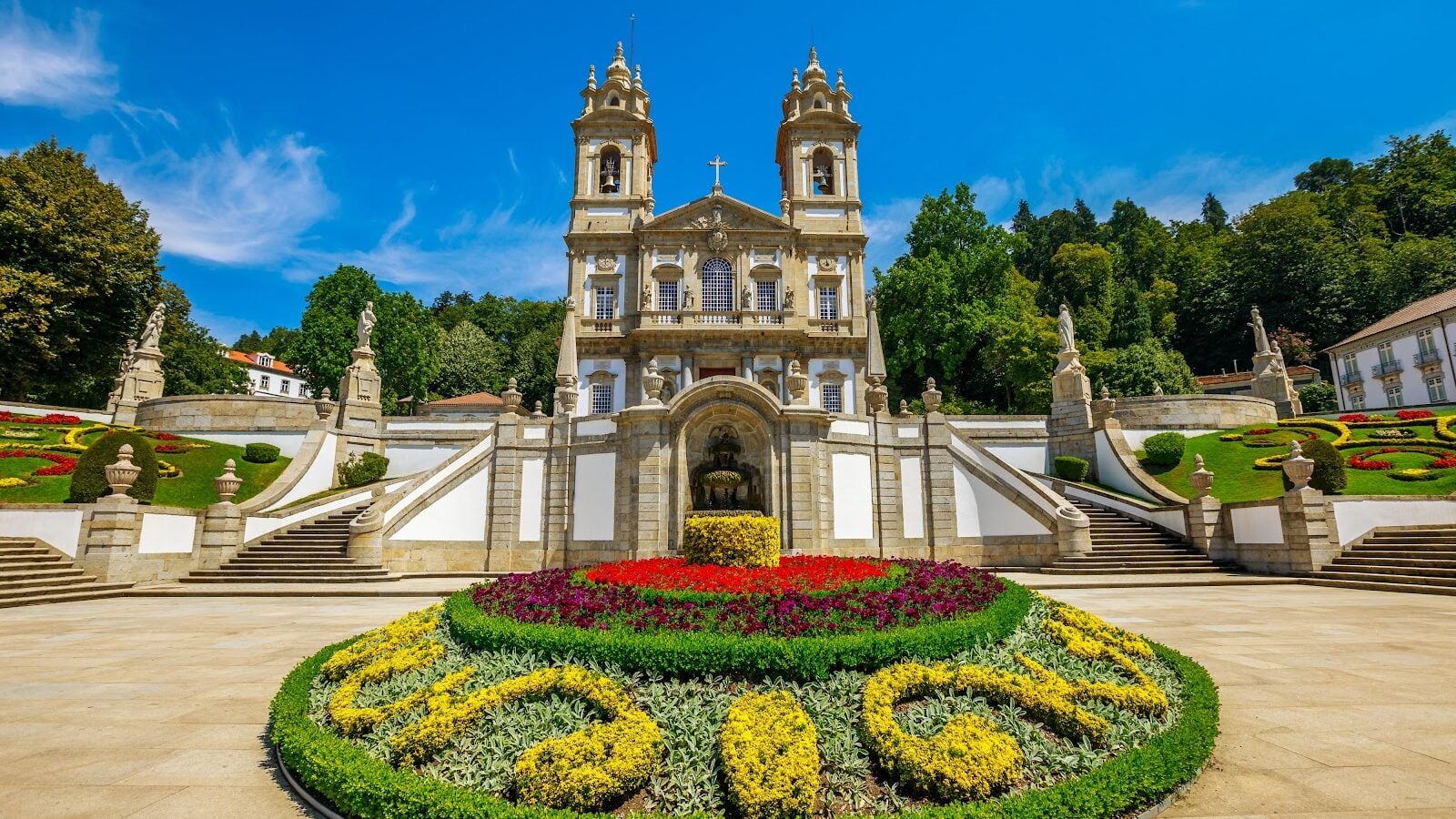
Discover northern Portugal through the Baroque splendor of Braga, its ancient cathedral roots, and the extraordinary water-balanced funicular ascending Bom Jesus do Monte.
The Ancient Heartbeat of the Minho
To understand northern Portugal, you must spend time where its spiritual roots run deepest. Braga rests in a wide, verdant basin cradled by forested hills, just forty-five minutes northeast of Porto and roughly three and a half hours from Lisbon. Long before Portugal existed as an independent kingdom, the Romans knew this settlement as Bracara Augusta, an administrative crossroad of stone roads, thermal waters, and trade. Later, it became the religious capital of the Iberian peninsula, earning a reputation as the Portuguese Rome.
Today, Braga strikes a rare and lovely balance. It is home to one of Europe’s oldest cathedrals, yet it pulses with youthful energy fueled by the students of the Universidade do Minho. Pedestrian lanes paved in traditional calçada stones wrap around tranquil plazas where orange trees drop fragrant blossoms in spring. Church bells ring across terracotta rooftops at midday, mingling with the hum of modern cafes and conversation. It is a city that wears its immense age lightly, welcoming curious travelers with warmth and unhurried hospitality.
A Cathedral Layered Through the Centuries
A walk through historic Braga inevitably leads to the Se de Braga, the oldest cathedral in Portugal. Built decades before the nation’s first king declared independence, the structure reveals a thousand years of architectural devotion. Outside, Romanesque portals carved with medieval scenes stand quietly against the passage of rain and sun. Step across the threshold, and you enter a dimly lit nave that slowly expands into soaring Gothic vaults, Manueline stonework, and exuberant Baroque gilded woodwork that seems to blaze like frozen sunlight.
The cathedral houses the tombs of Dom Henrique and Dona Teresa, the parents of King Afonso Henriques, anchoring the birth of the nation right in this sacred soil. Above the choir, two monumental twin pipe organs, carved from Brazilian jacaranda and coated in gold leaf, reach toward the vaulted ceiling like carved wooden waterfalls. Taking your time here reveals how Portugal continually rebuilt and enriched its sacred spaces as maritime routes brought new wealth and craftsmanship from across the globe.
Ascending the Sacred Mountain of Bom Jesus
Six kilometers east of the city center, the forested slopes of Monte Espinho rise toward the sky. Here lies the Santuario do Bom Jesus do Monte, an architectural and spiritual marvel recognized as a UNESCO World Heritage site. Begun in the fourteenth century as a humble hillside hermitage, the sanctuary reached its theatrical zenith in the eighteenth century under Archbishop Gaspar de Braganca and master architect Carlos Amarante.
The approach to the summit is one of the most memorable sights in Europe. A monumental granite staircase zigzags upward through lush oak and camellia woodlands, rising more than one hundred meters across hundreds of steps. The climb is divided into allegorical tiers. The lower flights lead to the Stairway of the Five Senses, where fountains spill spring water from carved eyes, ears, nostrils, mouths, and hands. Above them rises the Stairway of the Virtues, crowned by statues of Faith, Hope, and Charity. As you ascend, the sound of trickling water and birdsong creates an atmosphere of deep, meditative calm.
Browse our travel inspiration for ideas, or tell us what kind of day you have in mind.
Nineteenth-Century Genius on the Rails
For those who prefer not to tackle the five hundred and seventy steps on foot, Bom Jesus offers an engineering treasure. Built in 1882, the Elevador do Bom Jesus is the oldest funicular in the world powered exclusively by water counterbalancing. Two bright, vintage wooden carriages ride parallel tracks along the granite slope, joined by an overhead cable.
The mechanism is pure Victorian ingenuity and operates without electricity. At the top of the hill, a water reservoir fills a large tank built into the frame of the upper car until it outweighs the lower one. As the heavier car descends, it gently pulls the lighter car up the mountain. Midpoint, the two carriages pass each other with a soft creak of steel and iron. Riding this gentle contraption gives you a quiet moment to admire the engineering mind of nineteenth-century Portugal, surrounded by mossy granite walls and towering hydrangeas.
Minho Flavors and Table Traditions
Exploring the northern slopes stirs a genuine appetite, and Braga is famous for generous hospitality. The Minho region takes great pride in its culinary roots, where river valleys yield crisp Vinho Verde and farms produce some of the finest meats in the country. A classic Braga lunch often centers on Bacalhau a Narcisa, tender salted cod fried in local olive oil, layered with thin bay-scented potato slices, and finished with slow-cooked onions.
Another regional staple is Frigideiras, flaky puff pastry pies filled with seasoned minced veal and ham, served piping hot from family bakeries near the central gardens of Praca da Republica. To end your meal, seek out Pudim Abade de Priscos, a silky egg pudding invented by a nineteenth-century parish priest from a nearby village. Rich with sugar, lemon zest, cinnamon, and a delicate sliver of cured pork fat that lends an impossible creaminess, it pairs perfectly with a short, dark bica coffee.
Planning Your Journey to the North
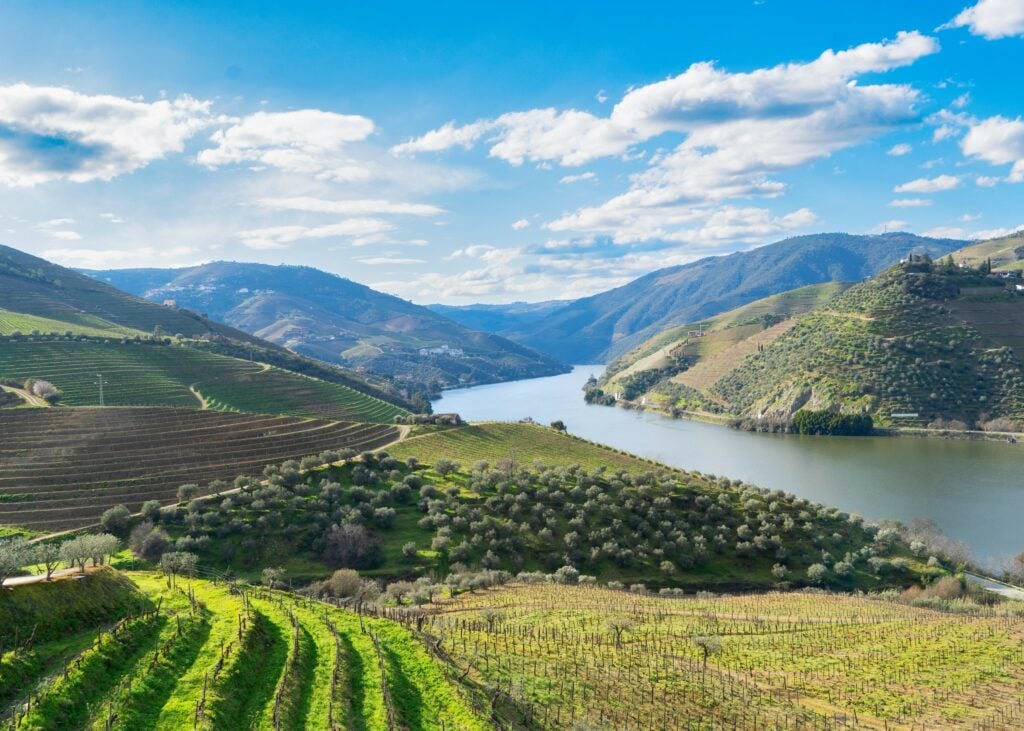
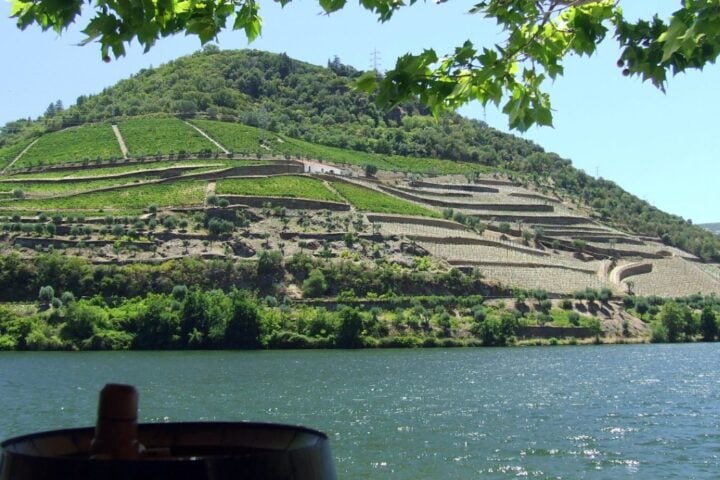
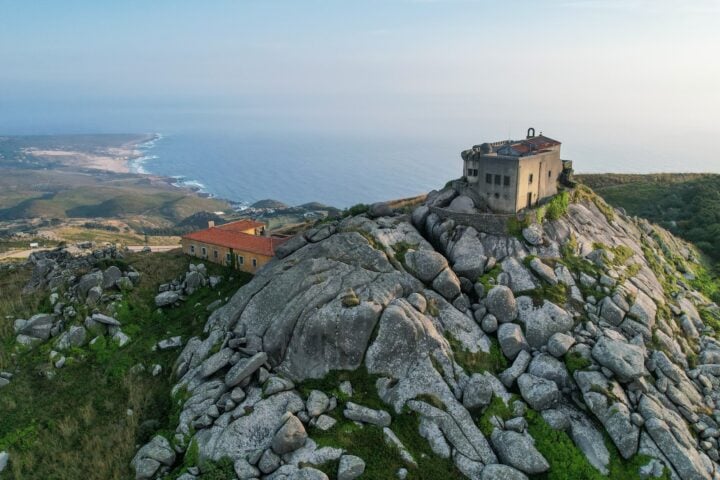
Braga makes an exceptional day trip from Porto, but it also sits comfortably on a broader northern journey linking the medieval streets of Guimaraes, the vine terraces of the Douro Valley, or the wild granite landscapes of Peneda-Geres National Park. While train connections link Porto to Braga in about one hour, exploring the sanctuary hilltops, remote churchyards, and countryside quintas requires flexible wheels.
Many travelers choose to explore the region with Portugal Magik, relying on their comfortable Mercedes-Benz vehicles and experienced professionals to handle mountain roads and city parking. Having a local driver and guide allows you to shape the day entirely around your own pace, pausing for an impromptu view across the Minho plains or stopping at a roadside cafe for fresh pastries without checking the clock. Whether you spend hours wandering the botanical gardens behind the episcopal palace or sitting quietly on the terrace at the summit of Bom Jesus, Braga leaves an impression of steady stone, clear mountain water, and a culture anchored in timeless pride.
Plan your own day
Share your dates, group size and interests, and we will suggest a tailored plan with a local driver/guide.