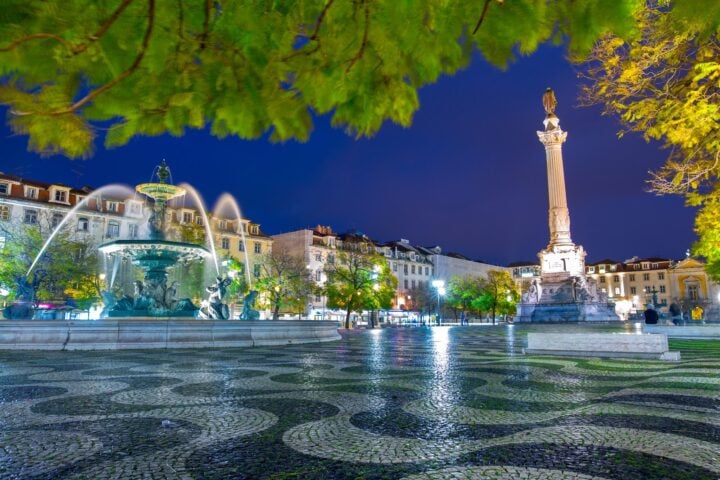
From marble counters in Lisbon to granite arcades in Braga, discover how coffee defines the pace of daily life in Portugal.
The Engine of Daily Life
In Portugal, coffee is not an errand grabbed in a cardboard cup while rushing to catch a train. It is a pause, an anchor, and a social pact. Across every neighborhood from Viana do Castelo down to Tavira, life arranges itself around visits to the local cafe or pastelaria. You will see laborers in dusty boots standing shoulder to shoulder with bank managers in tailored suits, both leaning against the same zinc or marble counter, tossing back a small cup of dark, scalding liquid in two practiced swallows.
The Portuguese consume several cups a day: one immediately after breakfast, one mid morning to restore momentum, another directly following lunch to seal the meal, and often one more in the late afternoon accompanied by something sweet. It costs very little, takes less than five minutes at the counter, yet represents the beating heart of civic life. To understand Portugal, you must understand what happens around the espresso machine.
A Legacy of Beans and Roasts
Portuguese coffee tastes fundamentally distinct from the fruit-forward, lightly roasted specialty beans popular in northern Europe or North America. Our tradition is rooted in history. Centuries of maritime trade brought beans from Brazil, Angola, Sao Tome, and Timor, creating a national preference for blends that combine Arabica with high grade Robusta.
The Robusta component gives Portuguese espresso its signature thick, golden crema, full body, and lower acidity. The roast is slow and medium dark, never scorched or oily. The result is a smooth, comforting cup with notes of cocoa, toasted bread, and walnut. When poured correctly from a heavy brass group head, the crema should be thick enough to support a dusting of sugar for several seconds before it gently sinks beneath the surface.
Decoding the Counter Vocabulary
Stepping up to a busy counter can feel intimidating, but the vocabulary is straightforward once you know the regional nuances. In Lisbon and the south, asking for um cafe will bring you a standard single shot of espresso. You may also hear the word bica in the capital, an old acronym rumored to stem from an early cafe warning patrons to drink it with sugar: Beba Isto Com Acucar.
Travel three hours north to Porto or the Minho, and you should ask for um cimbalino, named after La Cimbali, the Italian machines that first revolutionized northern coffee bars in the mid twentieth century. If you prefer a longer extraction that fills the small cup to the brim, ask for um cafe cheio. If you want a concentrated ristretto that barely covers the bottom of the porcelain, ask for um cafe curto or um italiano. Those who like their espresso poured over a thin strip of fresh lemon peel should request a cafe com cheirinho, though in rural villages, that phrase might prompt the barista to add a splash of fiery bagaco grape brandy instead.
Browse our travel inspiration for ideas, or tell us what kind of day you have in mind.
When You Need Milk and Time to Sit
Not every order is a swift shot taken standing up. When the afternoon calls for sitting down with a notebook or quiet conversation, milky variations take center stage. The most famous is the galao, served in a tall glass and composed of one quarter espresso and three quarters hot milk with a light layer of foam. It is traditionally paired with morning toast or an afternoon pastry.
If you want equal parts coffee and milk in a standard ceramic teacup, ask for a meia de leite. If you prefer your espresso merely softened with a drop of warm milk, order um pingo in Lisbon or um pingo de leite in the north. Be careful not to confuse this with um garoto, an affectionate term meaning boy, which is an espresso stained with milk, historically given to children so they could feel grown up alongside their parents.
Historic Cafes Worth the Journey
Every village square has a reliable espresso counter, but certain historic establishments elevate the ritual into living theater. In Lisbon, A Brasileira in Chiado has welcomed writers and thinkers since 1905, while the ornate art deco mirrors of Cafe Majestic on Rua Santa Catarina in Porto recall the intellectual salons of the 1920s.
Venturing beyond the main cities reveals equally captivating sanctuaries. In Coimbra, roughly two hours north of Lisbon, Cafe Santa Cruz occupies the vaulted stone former auxiliary chapel of the Santa Cruz Monastery, founded in 1530. Savoring an espresso beneath those Gothic arches while students stroll past outside is unforgettable. Further north in Braga, Cafe A Brasileira has poured morning shots since 1907 under carved wooden cornices, demanding that visitors slow their pace to match the rhythm of the church bells.
Savoring the Country Roads with Portugal Magik
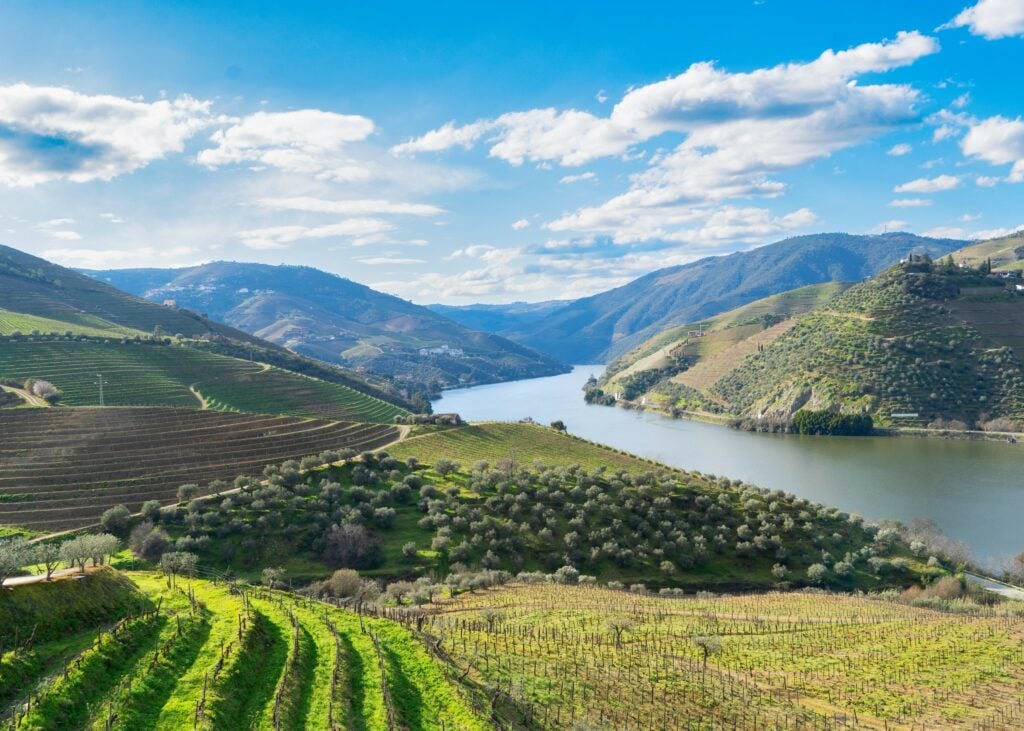
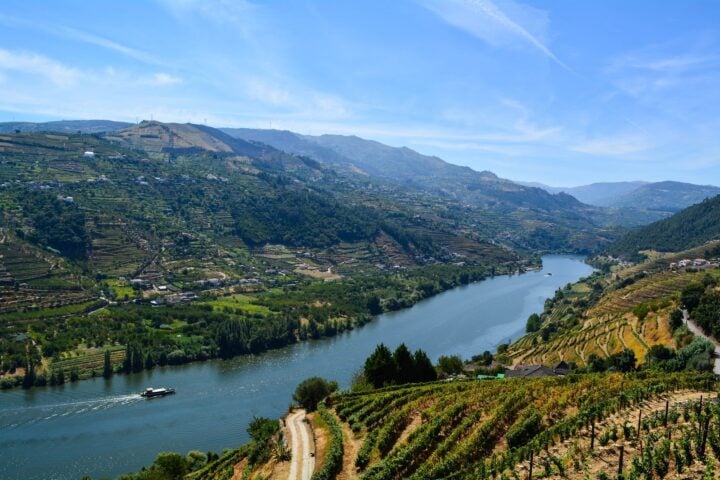
Exploring these regional traditions across Portugal requires time and an appetite for spontaneous detours. Moving between the tiled cafes of Aveiro, the stone taverns of the Douro Valley, and the sunlit plazas of Evora can easily turn into an exhausting exercise in navigation if you try to manage train timetables or unfamiliar highway tolls on your own.
Traveling with Portugal Magik Private Tours transforms the journey into something effortless and deep. Their guests travel across the country in quiet, climate controlled Mercedes-Benz vehicles, guided by an experienced local driver and guide who knows the difference between a tourist trap and the tiny town bakery where the wood oven still turns out warm empadas next to a spotless espresso machine.
Because your itinerary remains flexible, your local driver can shape the day around what intrigues you most, whether that means pulling over in an Alentejo market town for a mid morning bica or timing an afternoon arrival in Guimaraes just as the pastries come fresh from the kitchen. It is the most comfortable way to experience Portugal as it truly lives, one counter and one conversation at a time.
Plan your own day
Share your dates, group size and interests, and we will suggest a tailored plan with a local driver/guide.