From the quiet etiquette of the dining table to seasonal village customs, here is an insider guide to the cultural rhythm of Portugal.
The Rhythm of the Table and the Couvert
Long before a main course arrives at any traditional Portuguese table, small dishes appear without asking. A bowl of marinated olives, crusty country bread, creamy sheep cheese from Serra da Estrela, and perhaps a tin of sardine pate are set down gently. Travelers sometimes mistake this for a complimentary gesture, only to feel surprised when an item appears on the bill. In Portugal, this is known as the couvert. It is not an attempt to deceive; it is an invitation to sample.
You are entirely free to enjoy what looks tempting and politely decline what you do not want. If you leave a dish untouched, it is quietly removed and will not be charged. Meals here are sacred spaces of connection rather than quick transactions. Lunch runs easily from half past twelve until two, and dinner rarely begins before eight in the evening. Taking your time is not considered lazy; it is viewed as the only civilized way to live.
The Art of Greeting and Daily Decorum
Step into any neighbourhood pastelaria, whether in Lisbon, Porto, or a quiet village in Tras-os-Montes, and you will hear a clear greeting before any coffee order is placed. A crisp ‘Bom dia’ in the morning or ‘Boa tarde’ after midday is more than polite. It acknowledges the shared humanity of the room. Failing to say hello before asking for a glass of water or a direction feels unusually abrupt to Portuguese ears.
When introduced personally, people exchange two kisses on the cheeks, beginning on the right, or a warm, firm handshake in formal settings. Voices are rarely raised in public spaces, and patience is deeply woven into the culture. Even when queues move slowly, people wait their turn with quiet tolerance. Embracing this gentle cadence will instantly soften your interactions throughout the country.
The Reverence for Silence During Fado
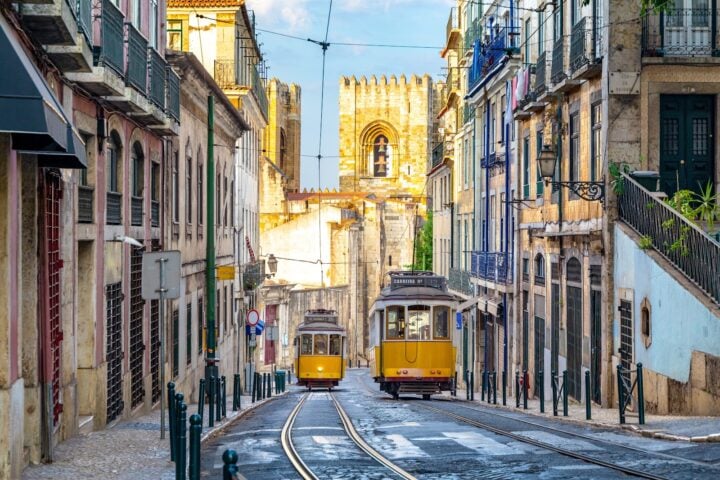
In the historic quarters of Lisbon like Alfama and Mouraria, and along the steep medieval lanes of Coimbra, song is not background music. When the lights dim and the twelve-string Portuguese guitar strikes its opening chords, an unspoken hush falls over the room. The famous phrase ‘Silencio, que se vai cantar o Fado’ (Silence, for Fado is about to be sung) is taken quite seriously.
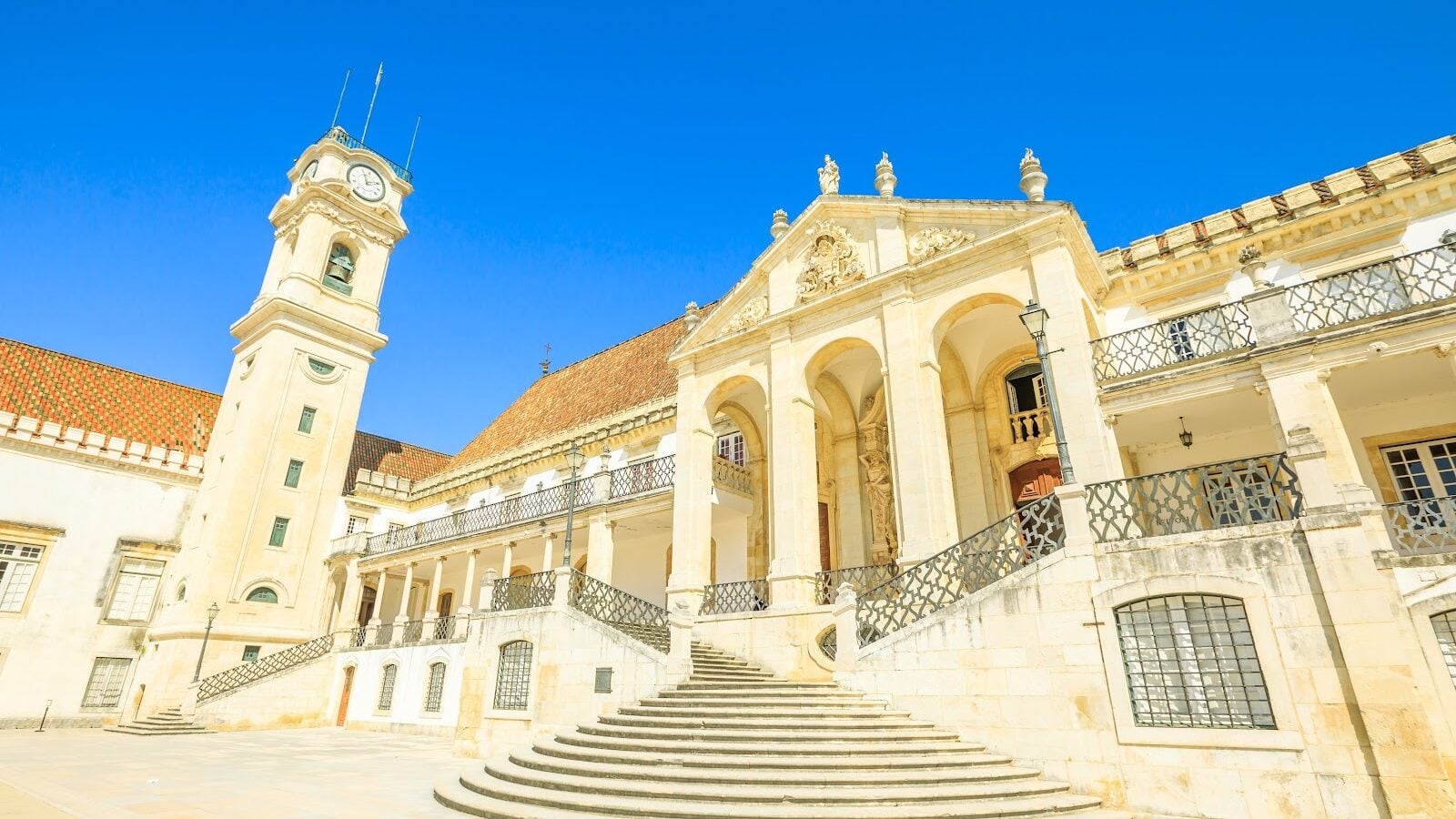
Cutlery is set down, whispered conversations stop entirely, and all attention turns toward the singer. While Lisbon fado expresses longing, fate, and ocean memories through voices both male and female, Coimbra fado is traditionally sung by university students and alumni dressed in black academic capes. In Coimbra, audiences do not clap; instead, they clear their throats with a subtle cough or murmur appreciation. Understanding this quiet reverence turns an evening of song into a profound encounter.
Browse our travel inspiration for ideas, or tell us what kind of day you have in mind.
Seasonal Feasts and Regional Village Pride
While guidebooks focus heavily on major monuments, the true heartbeat of Portugal resides in its calendar of festivals and village romarias. In the Minho region to the north, communities spend weeks creating intricate tapestries of real flower petals along stone streets for religious processions, accompanied by brass bands and accordion players. In the Alentejo, autumn brings the Magusto, where fresh chestnuts roast over open bonfires of pine needles, washed down with young wine from clay amphorae.
These gatherings are deeply authentic and completely uncommercialized. Taking the time to explore inland villages allows you to witness generations cooking and dancing together. Traveling between these regions often involves navigating winding mountain roads or rural plains where public transport is scarce. For travelers seeking an unhurried route through these cultural pockets, Portugal Magik offers custom journeys across the country in comfortable Mercedes-Benz vehicles, allowing you to discover remote village celebrations without logistical strain.
Coffee Culture and Unhurried Encounters
Coffee in Portugal is an essential ritual repeated three or four times every day. It is rarely consumed while walking down the street from a paper cup. Instead, locals step up to a polished marble counter, order a short espresso (often called a bica in the south or a cimbalino in Porto), drink it in two measured sips, and chat with the server for a minute about the weather or the morning news.
If you want milk, ask for a ‘meia de leite’ in a cup or a ‘galao’ in a tall glass. Pair it with a simple toast or a warm custard tart sprinkled with cinnamon. Having a local driver and guide who understands these small regional nuances can shape the day around your personal interests, turning a simple roadside coffee stop into an insightful conversation with local bakers and growers.
Sacred Spaces and Local Modesty
Whether visiting the massive limestone abbey of Batalha, the quiet convent in Tomar, or a modest parish chapel in the Algarve, modest dress is appreciated. While modern attire is commonplace across Portuguese cities, keeping shoulders covered inside historic churches reflects respect for the living faith practiced within these ancient walls. Portugal remains a country deeply rooted in community, memory, and grace, where stepping in with humility opens every door.
Plan your own day
Share your dates, group size and interests, and we will suggest a tailored plan with a local driver/guide.