For a Lisbon lunch with neighbourhood rhythm, head to Campo de Ourique. Come for Portuguese cooking, then stay for shaded benches, a poet's former home and the pleasure of having nowhere urgent to be.
Lisbon Guide Editorial Team 5 min read
For a Lisbon lunch with neighbourhood rhythm, head to Campo de Ourique. Come for Portuguese cooking, then stay for shaded benches, a poet’s former home and the pleasure of having nowhere urgent to be.
The Lisbon you meet at lunchtime
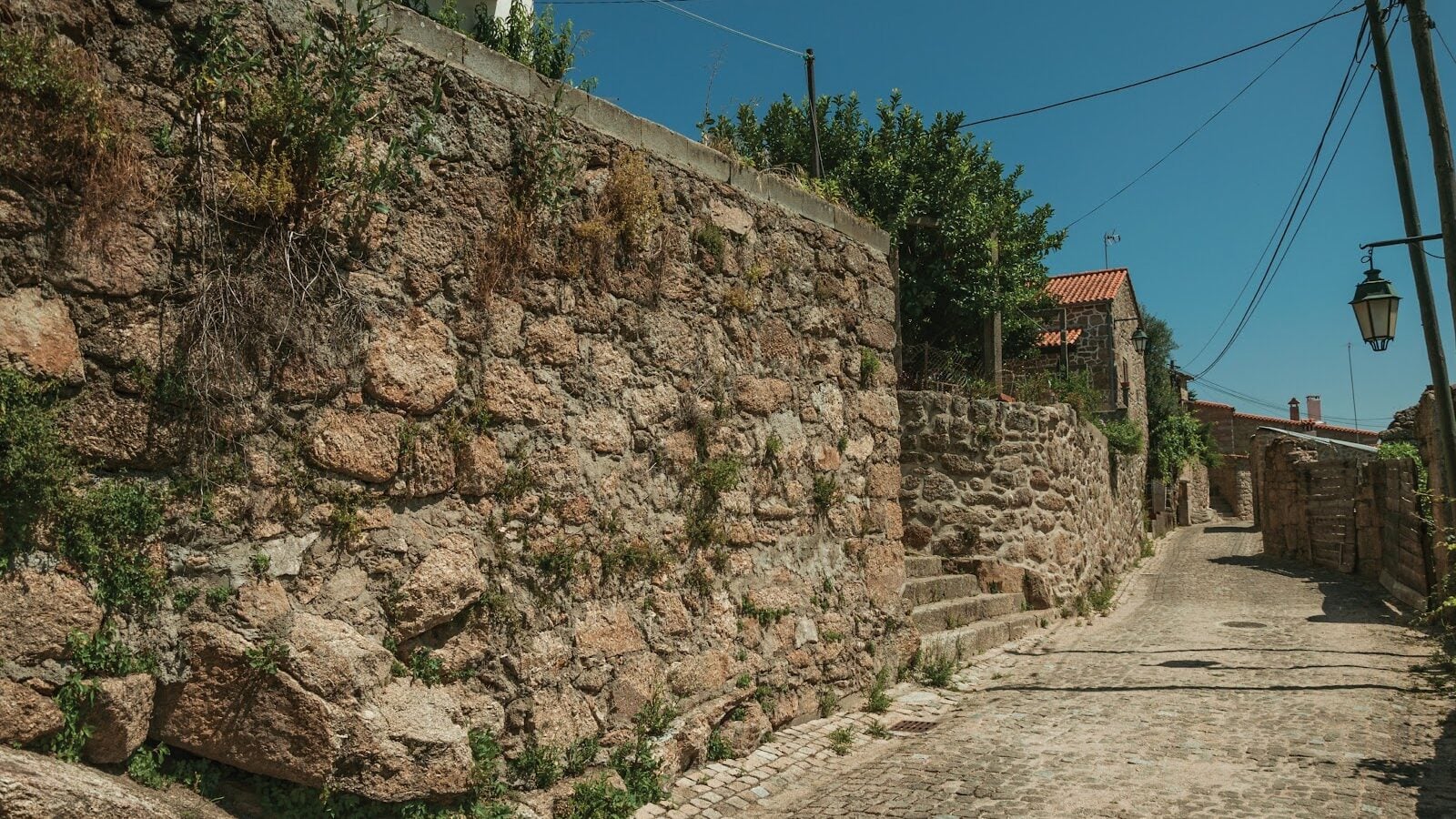
Campo de Ourique makes a persuasive case for leaving the grand views until later. Here, the attraction is closer to eye level: a bakery window, someone choosing fruit, the little negotiation over which outdoor table catches the sun. West of central Lisbon, this largely residential neighbourhood has an orderly street grid and a sense of daily life continuing quite happily without an audience. Visitors are welcome, but lunch was going to happen with or without them.
Much of the neighbourhood took shape during Lisbon’s late nineteenth-century expansion. Its comparatively level streets feel generous after the climbs of Alfama, although getting here on foot still involves hills. Arrive around noon, before hunger starts making decisions for you. Walk along Rua Ferreira Borges and into the smaller surrounding streets, noticing the food shops and café counters. This is not an undiscovered district, nor does it need to be. Its appeal is that people genuinely use it.
Choose your table before choosing your dish
For a traditional Portuguese lunch with an Alentejo accent, consider O Magano on Rua Tomás da Anunciação. It is the sort of address to approach with a reservation rather than a hopeful glance through the door. Look for regional dishes on the current menu and ask what is especially good that day. Depending on availability, black pork, bread-based accompaniments and deeply savoury stews can make a satisfying alternative to another plate of grilled fish.
Tasca da Esquina, on Rua Domingos Sequeira, offers a different interpretation of Portuguese cooking. Associated with chef Vítor Sobral, it builds on familiar ingredients while allowing the kitchen more room to play. Despite the word tasca, do not expect a bare-bones workers’ lunch counter. It suits visitors who want a considered restaurant meal and are happy to give it time. Check the current menu and opening days, and reserve ahead, particularly for weekends.
Neither choice needs a packed afternoon afterwards. Allow roughly 90 minutes for a relaxed restaurant lunch, longer if you order several courses. If you have a firm museum booking, mention it when you sit down rather than when the coffee arrives.
The market, without the rush
Mercado de Campo de Ourique opened in 1934, and its 2013 remodelling brought a food-hall format alongside traditional market trading. It is a useful choice when everyone wants something different: one person can pursue seafood while another chooses meat or a lighter plate. The atmosphere is sociable rather than hushed, with shared seating and the overlapping sounds of orders, glasses and conversation.
Come earlier in the day if seeing produce stalls matters to you. Fresh-food traders and prepared-food counters do not necessarily keep the same hours, so an animated evening hall does not mean the morning market is still operating. Around lunch, browse before committing. Read the menus, see what is being prepared and establish where you will sit before your group scatters to order.
The market is convenient, but it is not automatically the cheapest or most traditional lunch in the neighbourhood. Choose it for flexibility and energy. Choose a restaurant if what you really want is someone to bring the next dish while you remain happily in your chair.
Browse our travel inspiration for ideas, or tell us what kind of day you have in mind.
On a Portuguese menu, the prato do dia is worth investigating: a daily dish can tell you more about the kitchen’s habits than its longest list of options. Açorda needs a little explanation, because its form varies by region. An Alentejo version is typically a garlicky, coriander-scented broth poured over bread, often with egg; other versions are thicker. Migas, another bread-based preparation, frequently accompanies pork.
Grilled sardines are a seasonal pleasure, especially in summer, not an obligation on every Lisbon visit. At other times, ask which fish is available and whether it is priced by portion or weight. Bread, olives and cheese placed on the table are generally a paid couvert if consumed. You can politely decline them. For a modest lunch, a soup followed by a daily special may be plenty; nobody needs to turn every meal into a tasting exercise.
Finish with a bica, Lisbon’s familiar espresso order. If you would rather save something sweet for the walk, Aloma on Rua Francisco Metrass is a well-known stop for a pastel de nata. A crisp pastry and a short coffee make an excellent second act.
Give the afternoon a little breathing room
Jardim da Parada, officially Jardim Teófilo Braga, is the neighbourhood’s leafy sitting room. After lunch, its benches offer a useful pause beneath mature trees while children play and residents cross between errands. It is only a few minutes’ walk from the market. There is no essential photograph to take, which is part of the pleasure.
For something more substantial, walk to Casa Fernando Pessoa on Rua Coelho da Rocha. The poet lived here from 1920 until his death in 1935; today the museum explores his writing, reading and many literary identities. Allow about an hour, and check opening hours before building your afternoon around it. From the market, the walk takes roughly ten minutes. Alternatively, head towards the striking Church of Santo Condestável, inaugurated in 1951, whose pointed arches introduce an unexpected neo-Gothic note to the streets.
Getting here and letting the day unfold
From Baixa or Chiado, allow approximately 15 to 30 minutes by car, depending on traffic and your departure point. Walking from Chiado takes around 40 to 50 minutes and includes uphill stretches. Historic tram services towards Prazeres can be atmospheric, but queues, crowding and service changes make them a poor basis for a tight lunch reservation. Check current transport information before setting out.
Campo de Ourique also fits naturally into a wider Lisbon day with Estrela and its basilica, roughly a 15 to 20-minute walk from the market. If you prefer connecting the neighbourhoods without managing hills or parking, Portugal Magik is a trusted private tour partner in Portugal, with Mercedes-Benz vehicles and a local driver/guide who can shape the day around the guests. Keep the plan loose enough for lunch to run a little long. Here, that usually means the day is going well.
Plan your own day
Share your dates, group size and interests, and we will suggest a tailored plan with a local driver/guide.