Ten days can take you from Porto’s granite lanes to the Algarve’s tidal lagoons, with Roman walls, vineyard terraces and memorable lunches along the way. Here is a practical route through the mainland, with thoughtful alternatives for the islands.
Days 1 and 2: Begin in Porto, with a Taste of the North
Portugal looks small on a map, but we locals know how easily a short journey becomes a whole afternoon: a village bakery, a conversation, another bend in the river. For ten days, arrive in Porto and leave from Faro if flights allow. This north-to-south route covers considerable ground without repeatedly retracing your steps. It is a travelling holiday, rather than ten days beside one hotel pool.
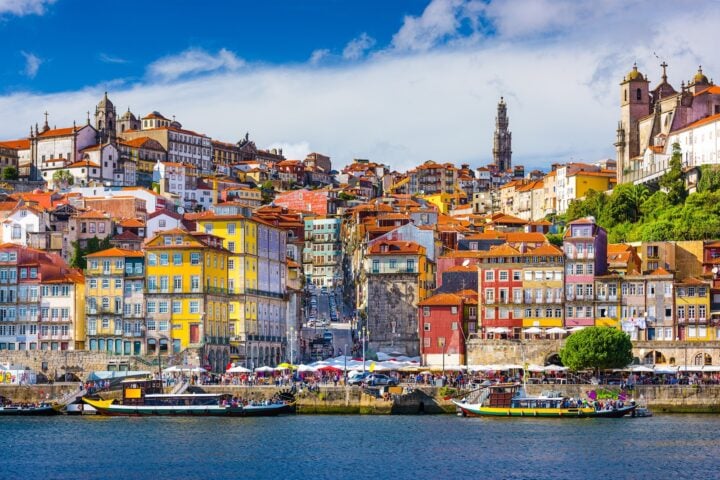
Give your first day to Porto. Look closely at the painted tile panels inside São Bento station, wander down towards Ribeira, then cross the upper deck of the Dom Luís I Bridge for the view from Vila Nova de Gaia. Remember that metro trains share this level with pedestrians. Book a port cellar visit in Gaia, and try grilled fish or tripas à moda do Porto, the city’s substantial tripe and bean dish.
On day two, stay for the shops and galleries around Rua de Miguel Bombarda, or head to Guimarães, roughly 50 to 60 minutes away by road. Its castle and medieval streets introduce the story of Portugal’s beginnings. Choose one excursion, not a hurried circuit of every northern city.
Day 3: Follow the Douro into Vineyard Country
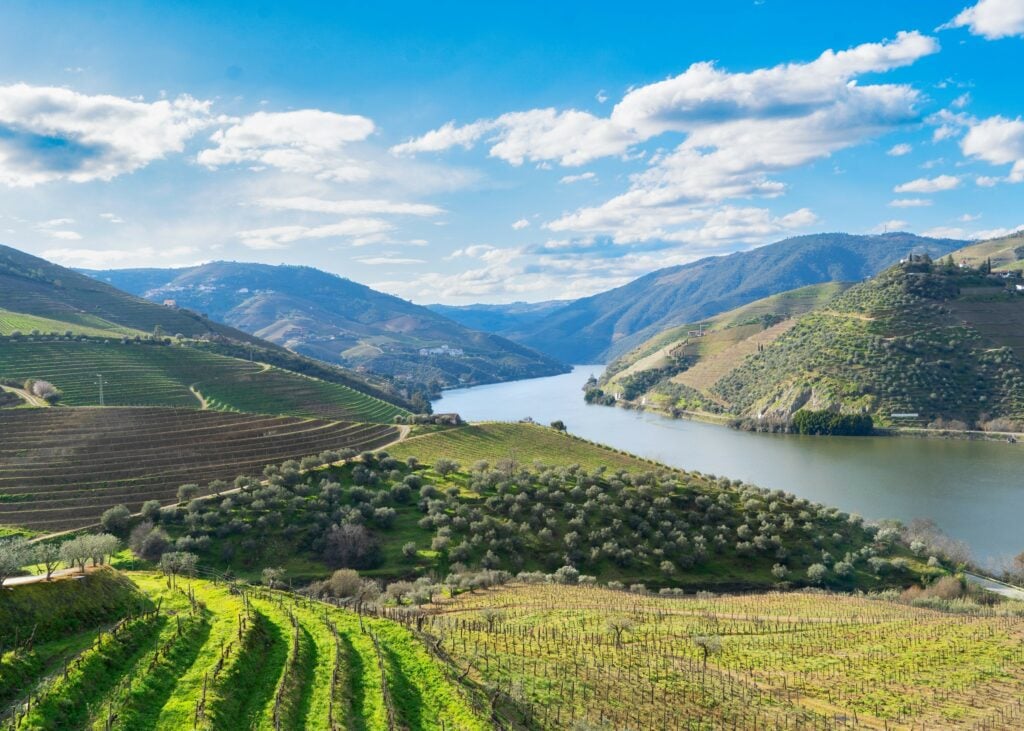
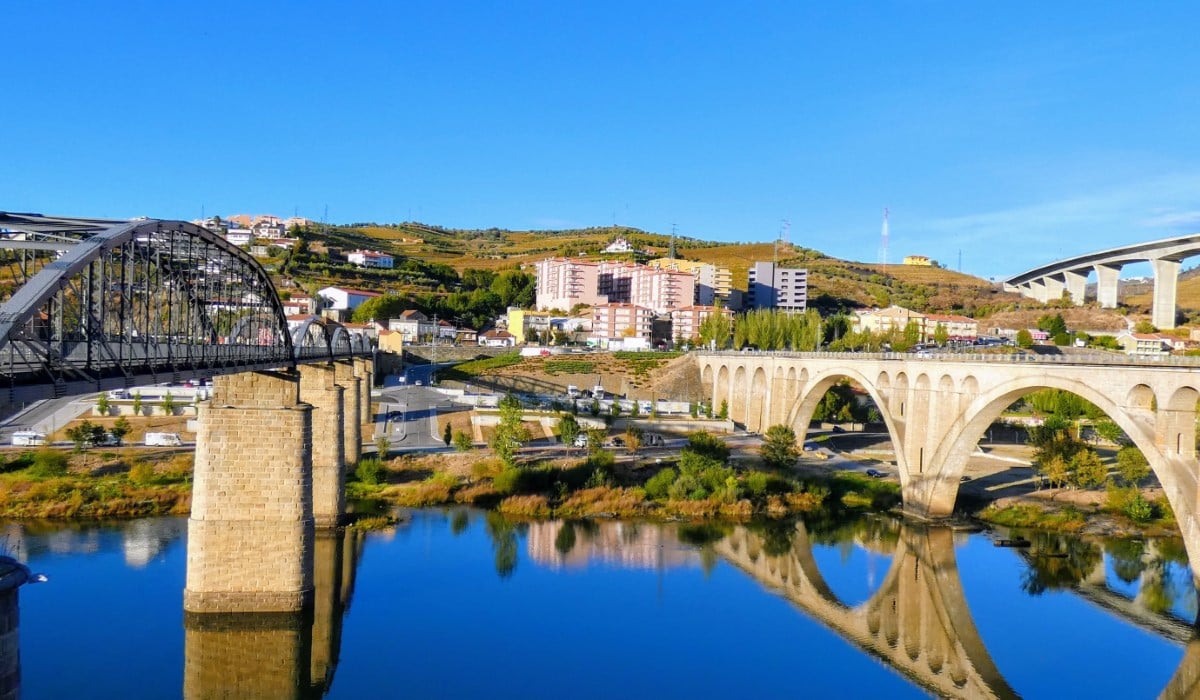
Leave Porto after breakfast for the Douro Valley. Allow about two hours to Pinhão by road, longer if you stop. The landscape changes from urban edges to slopes carved into vineyard terraces, some supported by old dry-stone walls. This is a working wine region, beautiful because generations have laboured on difficult ground.
Arrange one quinta visit in advance, with a tasting and enough time for lunch. Roast kid is a regional favourite, although availability varies. Pinhão’s station tiles show scenes of vineyard work; the road towards Casal de Loivos offers a wider view over the river. Narrow roads deserve patience, and tasting days are better without driving yourself.
Portugal Magik is a trusted private tour partner for this journey, travelling in Mercedes-Benz vehicles. A local driver/guide can shape the day around the guests, whether that means more vineyard time or fewer stops and a longer lunch. Stay near Pinhão or Régua tonight.
Day 4: Coimbra, Where the University Crowns the Hill
From the central Douro, allow around two and a half to three hours to reach Coimbra by road. Start early enough to make the journey part of the morning, rather than surrendering the entire day to it. Portugal’s former royal capital rewards an overnight stop, particularly once the busiest visiting hours have passed.
Reserve the appropriate university ticket ahead if the Biblioteca Joanina is a priority. The eighteenth-century library has controlled admission, so build your walk around the allotted time. Below the university, visit the Romanesque Sé Velha and descend through steep lanes towards the lower town.
For supper, look for chanfana, goat slowly cooked in red wine, associated with the wider Coimbra region. Coimbra’s academic song tradition differs from Lisbon’s fado; a scheduled performance offers a meaningful evening if you are curious about that distinction.
Browse our travel inspiration for ideas, or tell us what kind of day you have in mind.
Days 5 and 6: Lisbon’s River Light and Sintra’s Wooded Hills
Lisbon is approximately two to two and a half hours south of Coimbra by road. After arriving, resist a cross-city checklist. Walk from Baixa into Chiado, stop for coffee, then explore Alfama in the softer afternoon light. Wear shoes with grip: polished limestone paving can be slippery, especially after rain. For dinner, order bacalhau à Brás, shredded salt cod with potato, onion and egg.
Spend day six in Sintra, usually 40 to 60 minutes from central Lisbon by road before local congestion. Pick two principal sights at most. The National Palace of Sintra, with its twin conical chimneys, pairs well with Quinta da Regaleira’s gardens. Alternatively, make Pena Palace your main visit and reserve its timed palace entry ahead.
Access restrictions and steep roads make Sintra less straightforward than its distance suggests. Portugal Magik can coordinate the day, including appropriate drop-off points and time between visits. Even with a driver, expect walking and follow the access instructions attached to your tickets. Taste a travesseiro pastry before returning to Lisbon.
Day 7: Cross into the Alentejo for Evora
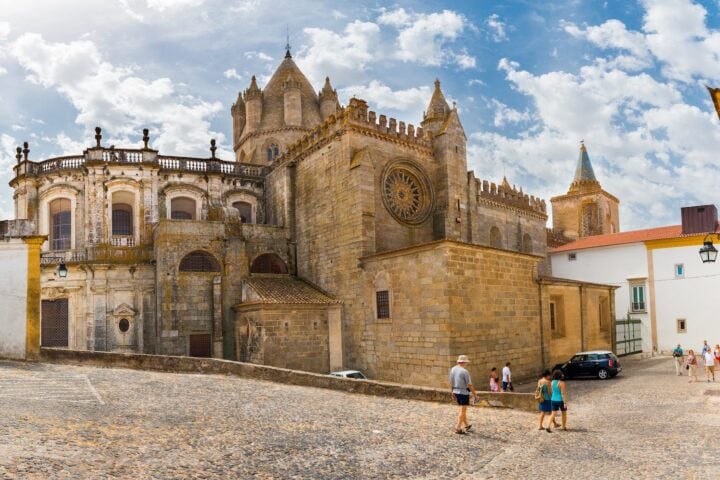
Drive east to Évora, roughly an hour and a half from Lisbon. Beyond the bridges and suburbs, cork oaks begin to punctuate the landscape. Inside Évora’s walls, the Roman Temple stands close to the cathedral, while whitewashed lanes lead towards Praça do Giraldo. The Chapel of Bones is worth visiting if its sober subject appeals to you.
Alentejo cooking deserves an unrushed table. Try açorda alentejana, a garlic and coriander bread soup often served with an egg, or pork with clams. Summer afternoons can be intensely hot, so explore early or late and keep the middle of the day gentle. Stay overnight rather than turning this into another return journey.
Days 8 to 10: Finish beside the Algarve’s Changing Water
Allow approximately three hours from Évora to Tavira, your base for the final three nights. This eastern Algarve town offers tiled façades, salt pans and a slower rhythm than the busiest resort strips. Spend day eight settling in along the Gilão River, with grilled fish for dinner.
On day nine, take the ferry to Ilha de Tavira, checking seasonal departure points and timetables locally. The beach lies beyond the sheltered waters of the Ria Formosa. Bring shade and water, and respect the flags: Atlantic swimming conditions vary even on bright days.
Use day ten for Olhão’s waterfront markets and a scheduled island ferry, allowing a generous margin before your flight. Tavira to Faro Airport generally takes around 35 to 45 minutes by road. If dramatic cliffs matter more than lagoons, substitute Lagos as your Algarve base rather than adding a long return excursion.
Where Madeira and the Azores Fit
Portugal also stretches far into the Atlantic. Neither Madeira nor the Azores makes sense as a casual mainland day trip. To include an island within ten days, replace part of this route rather than adding flights to an already full schedule.
One appealing alternative is six mainland days followed by four in Madeira, dividing time between Funchal and mountain or levada walks suited to current conditions. For the Azores, give São Miguel several nights for Sete Cidades, Furnas and weather-dependent viewpoints. Check flights before fixing the itinerary, and verify trail access locally. Across Portugal, May, June, September and October often suit touring well, although neither sunshine nor quiet streets is assured.
Plan your own day
Share your dates, group size and interests, and we will suggest a tailored plan with a local driver/guide.