Perched between colossal ocean breakers and generations of fishing lore, Nazare reveals a side of coastal Portugal that stirs the spirit like nowhere else.
Where the Ocean Commands Respect
Stand on the edge of the Sitio headland on an autumn morning, and the vibrations enter your bones before the salt spray touches your cheeks. Nazare has always lived under the gaze of an untamed Atlantic, but nothing prepares you for the pure physical scale of this coastline. The ocean here does not merely lap at the sand; it roars against limestone cliffs that drop three hundred feet directly into churning foam.
Long before international surfers brought their boards and cameras, Portuguese families came here to ask the sea for safe passage and full nets. This is a place where nature still sets the terms of daily life, offering travelers a striking glimpse into maritime traditions that have held firm against the rush of modern times.
The Anatomy of the World’s Tallest Waves
The secret behind the colossal winter waves lies hidden beneath the surface. Just off the headland runs the Nazare Canyon, an underwater chasm reaching depths of over sixteen thousand feet. Stretching over a hundred miles into the open ocean, it acts as a funnel. When powerful winter storms cross the North Atlantic, their deep water energy enters this canyon unimpeded, suddenly rising and colliding with shallow coastal currents right off Praia do Norte.
From October through March, spectators gather around the historic lighthouse of Forte de Sao Miguel Arcanjo to witness mountains of water reaching up to eighty or one hundred feet. Yet even on calmer summer afternoons, the headland offers a breathtaking perspective across the Atlantic expanse, reminding visitors of Portugal’s deep relationship with the open sea.
The Seven Skirts and Sun-Dried Fish
Descend from the promontory down to the wide, crescent curve of the lower town, known as Praia, and you step directly into living heritage. Nazare is one of the few working fishing communities in Europe where older women still wear the traditional seven petticoats, or sete saias. Made from layers of flannel and embroidered cotton, these garments originally kept women warm while waiting on windy shores for fishing boats to return through the surf.
Along the boardwalk, wooden drying racks called estendais stand under the sun. Women spread rows of horse mackerel and sardines across mesh netting, curing them with sea salt and coastal wind just as their grandmothers did. The scent of brine and woodsmoke lingers in the cobblestone alleyways, where narrow whitewashed houses shelter behind heavy wooden doors.
Browse our travel inspiration for ideas, or tell us what kind of day you have in mind.
A Table by the Harbor: The Real Taste of the Sea
Dining in Nazare requires an appetite for honest, robust flavors. Skip the tourist terraces along the main strip and look for modest tascas tucked into the back lanes. Here, the caldeirada a pescadora is an institution. This hearty fisherman’s stew layers dogfish, conger eel, potatoes, tomatoes, onions, and bell peppers in a rich broth simmered with local white wine and bay leaves.
For something lighter, grilled sea bass and wild turbot cooked over hot coals require nothing more than a squeeze of Portuguese lemon and a drizzle of fragrant olive oil. Pair your meal with an aromatic white from the nearby Encostas d’Aire wine region or a crisp glass of Vinho Verde from the north, and lunch becomes an unhurried celebration of the day’s catch.
The Legend of the Sitio and Sacred Heights
High above the beach, the Sitio neighborhood holds the spiritual heart of the town. According to legend, on a foggy morning in 1182, the nobleman Dom Fuas Roupinho was hunting a stag when the beast leaped over the sheer precipice. At the last second, the hunter called out to Our Lady of Nazare, and his horse skidded to a miraculous stop on the rock ledge, sparing his life. The tiny Capela da Memoria still marks the spot where the horse’s hoofprint was said to have been pressed into stone.
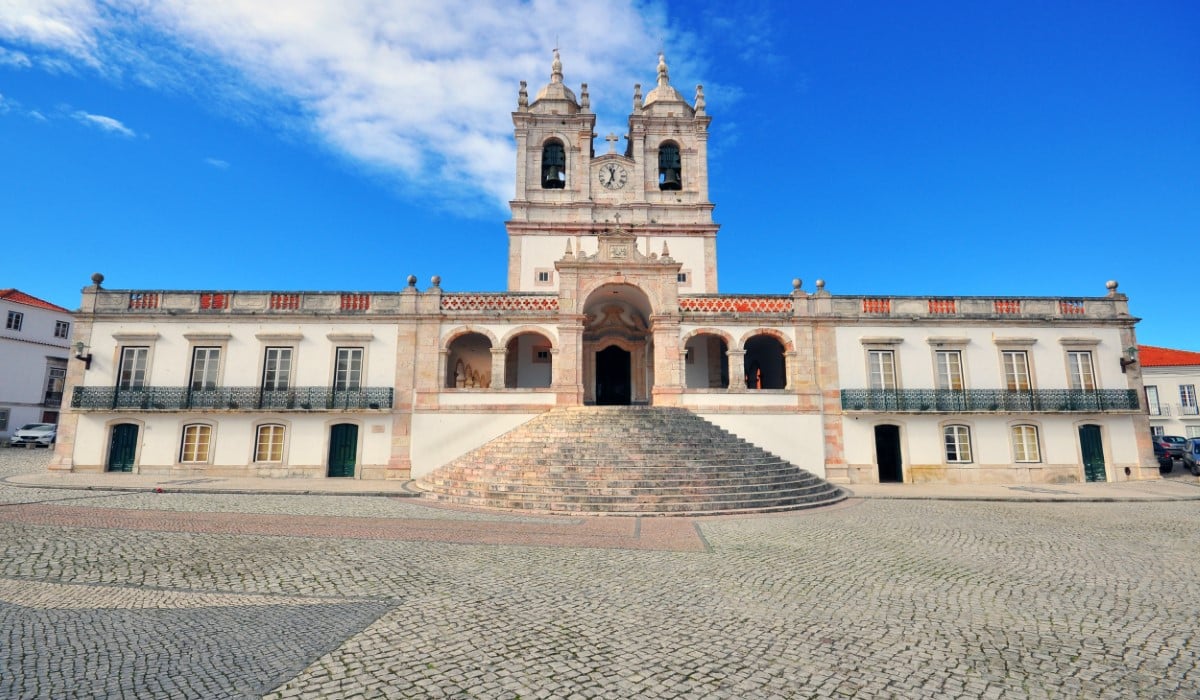
Just across the plaza stands the sanctuary church of Nossa Senhora da Nazare, decorated with magnificent Dutch azulejo tile panels dating back to the early eighteenth century. Taking the historic funicular down the steep cliff face back to the lower town provides wonderful sweeping views across the golden crescent of sand.
Reaching Nazare and Exploring the Central Coast
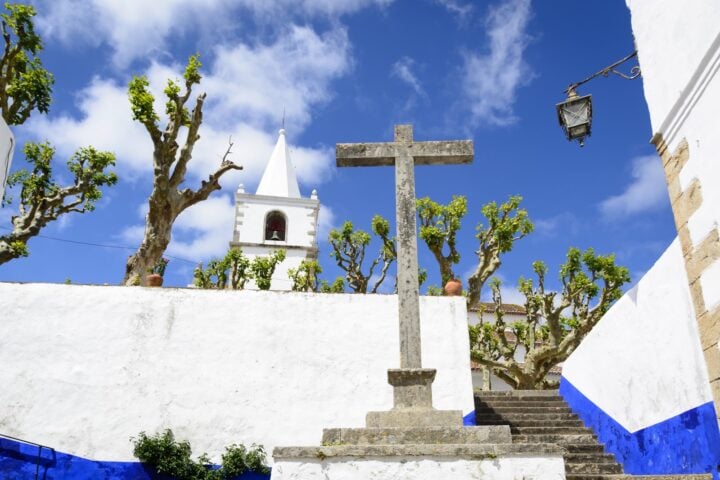
Nazare sits roughly ninety minutes north of Lisbon by road, making it a natural highlight when journeying through central Portugal. It pairs smoothly with a morning stop in the medieval walled village of Obidos or an afternoon visiting the royal monastery of Batalha, a masterpiece of Manueline architecture just thirty minutes inland. For travelers based in Porto, the drive south takes around two hours along smooth highways.
To make the most of this coastal corridor, traveling with Portugal Magik provides a seamless way to explore. In their clean Mercedes-Benz vehicles, a knowledgeable local driver and guide can shape the day around your personal interests, timing your arrival at the Sitio just as the afternoon light hits the Atlantic, or finding a quiet seaside table far from the bus groups. Whether on a day trip from Lisbon or an extended journey across Portugal, having a trusted partner allows you to absorb the landscape without navigating coastal roundabouts or parking snarls.
Plan your own day
Share your dates, group size and interests, and we will suggest a tailored plan with a local driver/guide.