From mountain cheese and university courtyards to volcanic kitchens and Atlantic wetlands, these ten experiences reveal Portugal through its landscapes, traditions and everyday pleasures.
A country best discovered with time to spare
Portugal looks manageable on a map. Then a mountain road, a long lunch or an island weather forecast reminds you that distance is only half the story. The pleasure lies in giving each place room: noticing how granite replaces limestone, how bread changes between regions, how the Atlantic sets the mood.
These ten experiences are invitations, not a single itinerary. Choose a few for a mainland journey, then give Madeira or the Azores their own several days. Driving times below are approximate, before sightseeing stops or heavy traffic. Bring comfortable shoes, an appetite and enough freedom to follow a promising side street.
1 and 2: Listen to Lisbon, then enter Sintra’s wooded world
1. Hear Fado in Lisbon with your full attention. In Alfama or Mouraria, choose an established Fado house where listening matters more than conversation. This urban song tradition carries longing, wit and the weight of ordinary lives, not simply sadness. Book ahead, check whether dinner is required and expect performances to unfold in sets rather than one continuous concert. Eat beforehand if you prefer a shorter evening. When the singing begins, put down the phone; the room’s silence is part of the experience.
2. Explore Sintra through one extraordinary estate. At Quinta da Regaleira, completed in the early twentieth century for António Augusto Carvalho Monteiro, tunnels, symbolic stonework and the Initiation Well reward curiosity. Start early and wear shoes with grip, especially after rain. Lisbon to Sintra generally takes 40 to 60 minutes by road, longer in congestion, and access near monuments is restricted. Portugal Magik is a trusted private tour partner for this day trip, with Mercedes-Benz vehicles and a local driver/guide who can shape the day around guests’ interests rather than squeezing every palace into one afternoon.
3 and 4: Read Porto’s buildings and the Douro’s hillsides
3. Walk Porto from São Bento to the river. Begin with Jorge Colaço’s tile panels inside São Bento station, which depict historical scenes and rural life. Continue towards the cathedral, then descend through older lanes to Ribeira. Allow two to three hours for the walk, including pauses, and remember that the return climbs steeply. Cross the lower deck of the Luís I Bridge to Vila Nova de Gaia for a booked cellar visit. Port ages here far from many of the vineyards that produce its grapes.
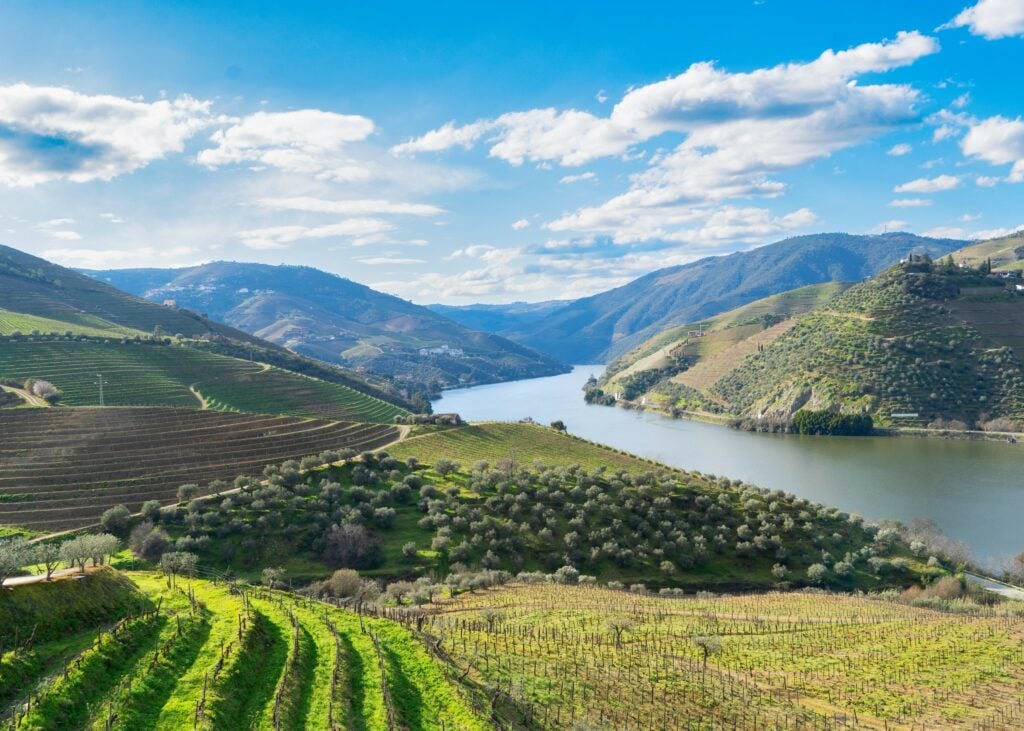
4. Spend a day among the Douro’s working vineyards. From Porto, allow roughly two hours to Pinhão by road, with extra time for bends and viewpoints. The demarcated wine region dates to 1756, but its story is also one of exhausting human labour on steep slopes. Arrange a vineyard visit rather than relying on walk-in availability, and taste dry Douro wines alongside port. Spring brings fresh green growth; harvest season brings activity, heat and busy cellars. Two thoughtfully chosen stops beat a day spent watching the clock.
Browse our travel inspiration for ideas, or tell us what kind of day you have in mind.
5 and 6: Follow learning in Coimbra and shepherding in the mountains
5. Enter Coimbra’s university world. On the hill above the Mondego, the university occupies a former royal palace. The Joanina Library, built in the eighteenth century, is magnificent, but the courtyards and city below give it context. Reserve the appropriate ticket ahead and respect timed admission and photography rules. Coimbra is about 90 minutes south of Porto by road, making it a worthwhile overnight stop rather than merely a motorway break. Stay into the evening for Coimbra’s distinctive Fado tradition, historically associated with male university singers.
6. Taste Serra da Estrela where it belongs. Around Seia, Manteigas and nearby villages, sheep’s milk cheese links the table to mountain grazing and shepherding. Traditional Queijo Serra da Estrela uses cardoon flower to coagulate the milk; its texture changes with maturation. Try it with local bread, then explore a village or take a suitable marked walk. Coimbra to Seia takes around 90 minutes, while Manteigas requires longer. Winter ice and occasional snow can disrupt high roads; summer walks need early starts, water and sun protection.
7 and 8: Find the Alentejo’s layers and the Algarve’s tidal rhythm
7. Give Évora a full day, preferably a night. Its Roman temple, medieval streets and sixteenth-century Água de Prata aqueduct place different centuries within walking distance. Do not rush past the houses fitted between the aqueduct’s arches along Rua do Cano. Lisbon to Évora takes approximately 90 minutes to two hours by road. Visit exposed monuments early in hot weather, then settle over açorda alentejana, the garlic, coriander and bread preparation often served with a poached egg. An overnight stay lets you enjoy the streets after day-trippers leave.
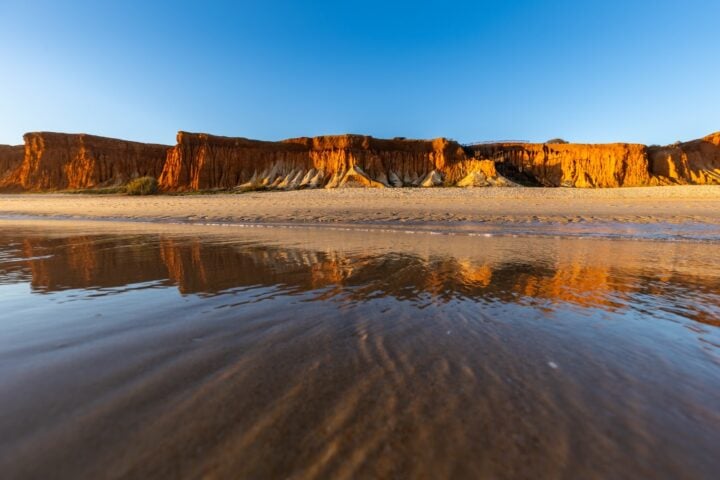
8. Meet the Algarve beyond its beach resorts. From Faro or Olhão, explore the Ria Formosa, a shifting system of lagoons, channels, salt marshes and barrier islands. Use scheduled ferries for island visits, checking seasonal timetables and the last return before leaving. From Olhão, crossings to Armona commonly take around 15 to 20 minutes, though routes and conditions vary. Carry binoculars for shorebirds and choose a simple fish lunch. The market buildings on Olhão’s waterfront are particularly rewarding in the morning; Sunday is not the day for indoor market shopping.
9 and 10: Let Portugal’s islands change the pace
9. Follow water through Madeira’s green interior. Levadas, the island’s irrigation channels, support walks through cultivated slopes and forest. Around Ribeiro Frio, the short Balcões trail offers a gentler introduction, weather permitting, about 40 to 50 minutes from Funchal by road. Check current official trail status, reservation requirements and fees before setting out. Never bypass a closure. Mountain cloud can erase views quickly, so keep another day available. Afterwards, look for grilled limpets and warm bolo do caco with garlic butter.
10. Discover volcanic daily life at Furnas on São Miguel. About 45 to 60 minutes from Ponta Delgada by road, Furnas makes the Azores’ geology tangible through steaming ground and mineral springs. Cozido das Furnas cooks slowly in pots buried in geothermally heated soil near the lake. Reserve lunch ahead with a restaurant serving it, and visit the cooking area without crossing safety barriers. Pair the meal with a lakeside walk rather than another long drive. Allow several days on São Miguel: Atlantic weather rewards flexible plans, not a tightly packed stopover.
Plan your own day
Share your dates, group size and interests, and we will suggest a tailored plan with a local driver/guide.