Journey across Portugal through its indigenous grapes, windswept coastal soils, and river carved valleys. Here is how curious travelers can navigate our distinctive wine landscapes with ease.
The Atlantic Spine of Vinho Verde and the Minho
In the far northwest, the landscape turns an impossible shade of emerald. Here, ocean squalls sweep inland across granite boulders, drenching the fertile terraces of the Minho. This is the birthplace of Vinho Verde, a name that reflects the vibrant youth of the landscape rather than the shade of the liquid inside your glass. While many international travelers know only the light, effervescent supermarket bottlings, the reality on the ground is astonishingly complex.
Around the border town of Moncao and Melgaco, the Alvarinho grape produces structural, age worthy white wines with razor sharp acidity, saline undertones, and notes of green orchard fruit. Further south along the Lima River, Loureiro vines yield delicate floral aromas reminiscent of laurel blossom and wet stone. Pairing a mineral driven Loureiro with grilled sea bass or lamprey along the riverside in Ponte de Lima is one of the quiet revelations of northern Portuguese dining.
The Schist Terraces of the Douro Valley
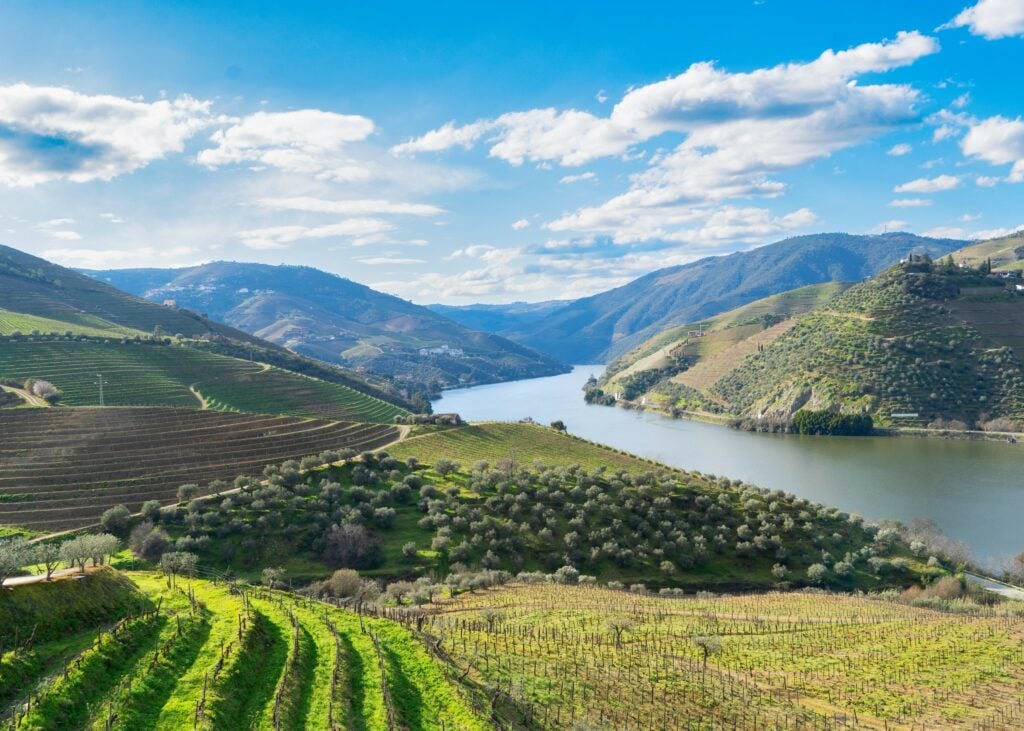
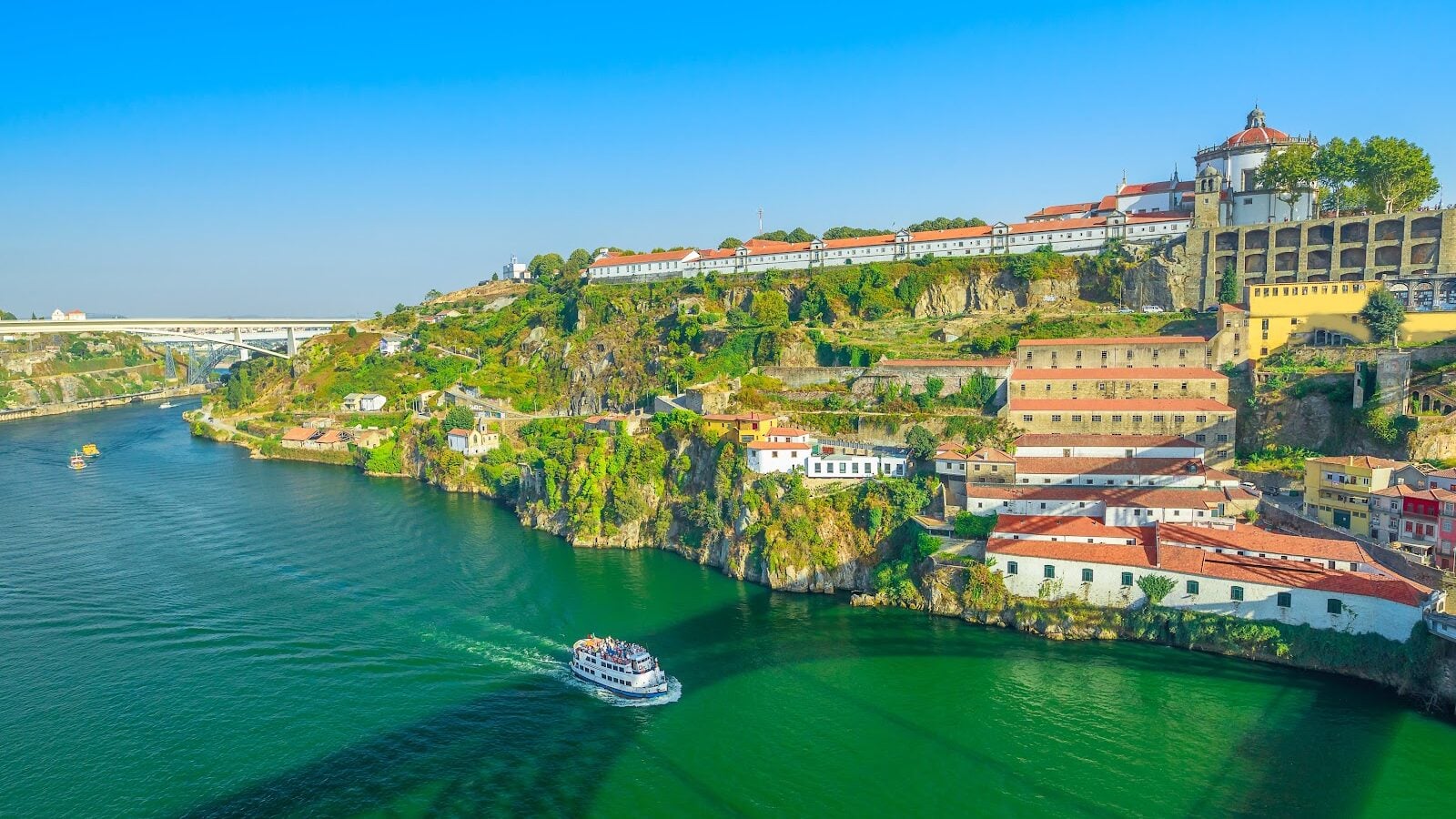
Traveling roughly two hours east from Porto brings you to the world oldest demarcated wine region, established by the Marquis of Pombal in 1756. The Douro Valley is an immense testament to human handiwork. For centuries, farmers broke open unforgiving slate and schist hillsides with iron picks to build miles of dry stone terraces that bake beneath the inland summer sun.
While Port wine made this river valley famous, the dry table wines produced here from native grapes like Touriga Nacional, Touriga Franca, and Tinta Roriz are among the most expressive in Europe. These are deep, brooding reds carrying aromas of wild rockrose, dark plum, and crushed slate. Navigating the winding river road of the N222 requires real patience, which is why traveling with Portugal Magik makes sense. Their experienced drivers handle the switchbacks in comfortable Mercedes-Benz vehicles, freeing you to watch the sun sink across the terraced bends without worrying about roadside navigation or tasting limits.
High Altitude Granite and Mountain Air in the Dao
Tucked south of the Douro and sheltered by the towering Serra da Estrela, the Dao region sits on high plateau granite. Because mountain ranges guard it on nearly all sides, the Dao avoids both scorching river heat and fierce Atlantic gales. The result is an extraordinary climate for making balanced, elegant wines that age with grace for decades.
The red wines here showcase Touriga Nacional in its most lifted, aromatic guise, accompanied by Alfrocheiro and Jaen. They carry bright red fruit notes, crisp pine needle freshness, and fine, chalky tannins. Dao whites, led by the noble Encruzado grape, are equally captivating, starting with fresh citrus notes and developing nutty, hazelnut complexities as the years pass. A simple lunch of roasted kid goat paired with a cellar aged Dao red in a stone village tavern near Viseu captures the understated brilliance of central Portugal.
Browse our travel inspiration for ideas, or tell us what kind of day you have in mind.
Ocean Fog, Clay Amphorae, and Coastal Sands
Just north of Lisbon lies Colares, a minuscule coastal appellation where centuries old Ramisco vines crawl along deep sand dunes within hearing distance of Atlantic breakers. Because the phylloxera aphid cannot burrow through shifting beach sand, these vines grow on their original European rootstocks, producing tannic, sea spray kissed reds unlike anything else on the continent.
Heading south toward the rolling plains of the Alentejo, the landscape opens dramatically into wheat fields, ancient cork oaks, and olive groves. Here, heat defines the summer months, producing generous, velvety reds from Trincadeira and Alicante Bouschet. In historic villages like Cuba and Vidigueira, an ancient Roman tradition remains vibrant: making Talha wine in massive clay amphorae sealed with olive oil and resin. The resulting orange and ruby wines taste honest, earthy, and deep, especially when washed down alongside plates of cured acorn fed ham and sheep cheeses.
Planning Your Journey Through Portuguese Cellars
Portuguese wine estates remain predominantly family run, and unannounced visits are rarely welcome. Cellars require advance appointments, particularly at the smaller historical quintas where the owners themselves pull corks and show guests around the barrel rooms. Tasting days are best kept to two thoughtful visits rather than four rushed stops, allowing time for lingering lunches where food and bottle tell the complete story of the village.
To make the most of your time, partnering with Portugal Magik gives you access to a local driver and guide who can shape the day around your personal curiosity and pace. Whether you wish to spend an extra hour discussing granite soils with a fifth generation winemaker or detour toward a hilltop castle before sunset, having trusted local guidance transforms a standard tasting trip into a seamless encounter with living tradition.
Plan your own day
Share your dates, group size and interests, and we will suggest a tailored plan with a local driver/guide.