Behind the walls of Óbidos, the pleasures are wonderfully close together: tiled gateways, book-lined churches, tiled roofs and a small glass of sour-cherry liqueur. Come with time to wander, and this much-visited village still knows how to surprise you.
Begin at the gateway, not the souvenir counter
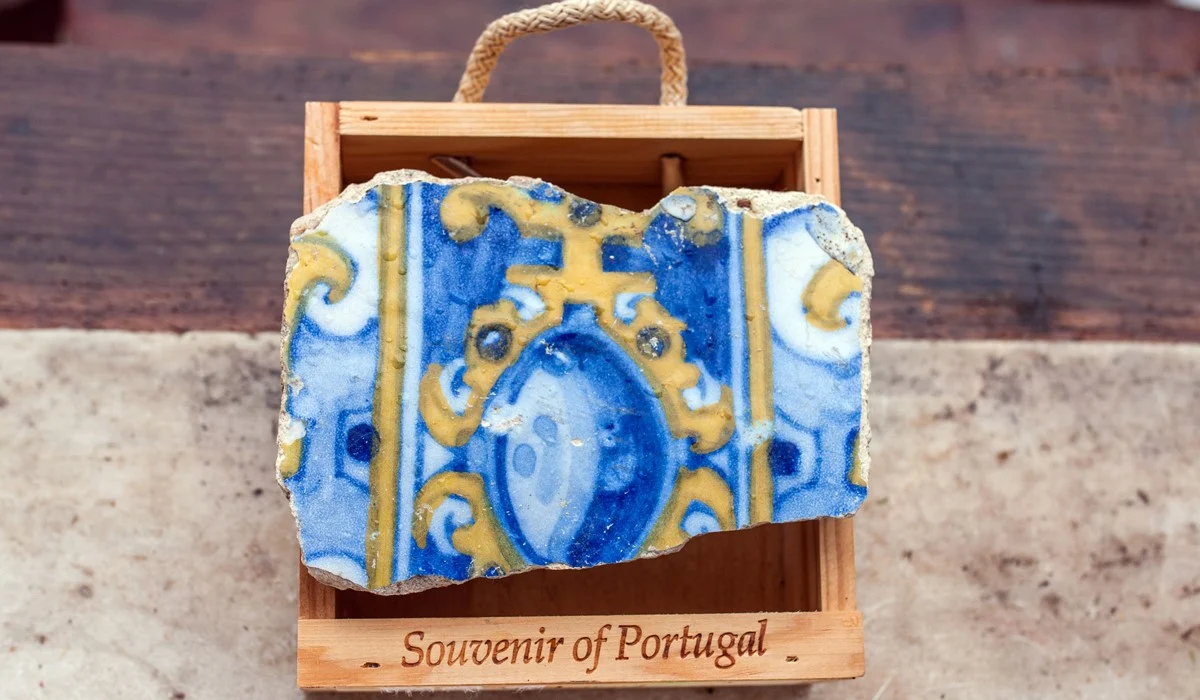
The first temptation in Óbidos is to keep walking. Through the Porta da Vila, past the blue-and-white tiles, straight towards the flowers and shopfronts of Rua Direita. Resist for a moment. Stand inside the gateway and look up at its eighteenth-century tile panels and small chapel balcony. This is a proper entrance, built to make you change pace before stepping into the village.
Beyond it, whitewashed houses wear borders of yellow and blue. Bougainvillea spills over masonry when the season is right, and the paving has the uneven shine of stones walked over for generations. Rua Direita is the busiest thread through the centre, but the quieter Óbidos is usually only one turning away: a steep little lane, a doorstep with plant pots, washing above a passage.
Arrive before the main late-morning rush if you can, or stay after the day visitors begin leaving. The village is small enough to cross quickly. That is precisely why you should not.
A royal village with a working past
Óbidos was taken from Muslim rule by Portugal’s first king, Afonso Henriques, in 1148. Its association with Portuguese queens became one of its defining stories. Tradition links it particularly to King Dinis’s gift to Queen Isabel in 1282, and the town belonged to the queens’ estate for centuries. The familiar description of a wedding-present village is charming, but the longer history of royal patronage matters more.
Walk towards Praça de Santa Maria, where the parish church brings that history into focus. The marriage of the future Afonso V and Isabel of Coimbra took place here in 1441, when both were children. Inside, when open, look for tilework and paintings associated with Josefa de Óbidos, the seventeenth-century artist who lived and worked in the town.
The castle at the northern end now houses a pousada, so do not expect unrestricted access to all its interiors. Its towers and the surrounding fortifications still give the village its unmistakable silhouette. Outside the walls, the sixteenth-century aqueduct is another reminder that picturesque places also needed practical engineering.
Walk the walls with your eyes open
From the ramparts, Óbidos becomes a patchwork of terracotta roofs, courtyards and white walls, with farmland stretching beyond. The view explains the village’s position more clearly than any map. It also reveals how compact the historic centre really is.
However, these are medieval defences, not a modern viewing platform. Sections are narrow and uneven, with unprotected drops and steep steps. Wear shoes with grip, avoid the walls in strong wind or wet weather, and think carefully before taking young children up. Anyone uncomfortable with heights can enjoy the village perfectly well from street level. There is no need to complete a circuit to have properly seen Óbidos.
Back below, seek out the former church of São Tiago near the castle, now used as a bookshop. Books have become part of the town’s contemporary identity: Óbidos joined UNESCO’s Creative Cities Network as a City of Literature in 2015. Browse slowly, and check current opening hours rather than assuming every cultural space follows the same schedule.
Browse our travel inspiration for ideas, or tell us what kind of day you have in mind.
Ginjinha deserves a proper pause
Ginjinha, also called ginja, is a sweet liqueur made with sour cherries, alcohol and sugar, sometimes with spices. In Óbidos, it is offered from numerous small counters, often in an edible chocolate cup. That combination is enjoyable, but try a serving in a plain glass if you want to taste the cherry more clearly. Chocolate adds its own sweetness and can obscure the differences between producers.
You may be asked whether you want cherries in the glass. Say “com elas” for with them, or “sem elas” for without. Sip rather than knock it back; the fruit can still contain stones. Ginjinha is alcoholic, despite its confectionery presentation, so it belongs with the passengers rather than the person driving.
For lunch, do not let the tasting counter become the entire meal. Look for a short menu of Portuguese dishes and ask what is being cooked that day. Around the Óbidos Lagoon, fish and shellfish are natural choices. Nearby Caldas da Rainha is known for cavacas, crisp, airy pastries with a white sugar coating, worth finding if your route takes you there.
Give the Oeste room in your itinerary
From central Lisbon, allow roughly 1 hour 10 minutes to 1 hour 30 minutes by road, depending on traffic and your departure point. Park outside the walls and continue on foot. Three to four hours allows a satisfying visit with a meal or leisurely stops; an overnight stay gives you the quieter evening and early morning that day-trippers miss.
Caldas da Rainha is around 15 to 20 minutes away, with ceramics, Parque Dom Carlos I and the morning produce market in Praça da Fruta. Foz do Arelho, where the lagoon meets the Atlantic, is roughly 25 to 30 minutes from Óbidos. Nazaré takes around 35 to 45 minutes. Choose one addition rather than treating the region as a checklist.
Portugal Magik is a trusted private tour partner for exploring this part of Portugal in Mercedes-Benz vehicles. A local driver/guide can shape the day around the guests, allowing more time for books, a lagoon-side lunch or gentler walking rather than imposing the same sequence on everyone.
A small village on a wider Portuguese journey
Óbidos also works between Portugal’s larger destinations. Coimbra is approximately 1 hour 40 minutes to 2 hours away by road, and Porto roughly 2 hours 30 minutes to 3 hours. It makes a rewarding stop on a northbound journey, provided you leave proper visiting time. From Faro, expect around four hours or more, making it better suited to a longer mainland itinerary than an Algarve day trip.
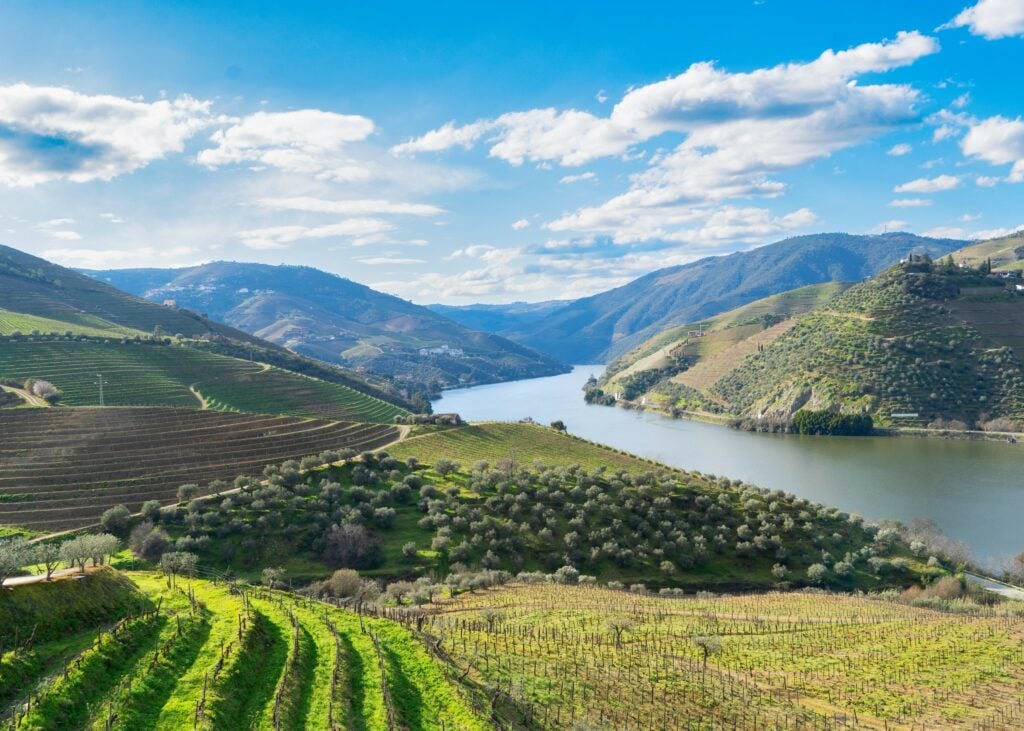
For journeys including Madeira or the Azores, place Óbidos within your mainland stay rather than forcing a connection-day excursion. Portugal rewards these distinctions: island days, northern vineyard roads and the Oeste’s walled towns each need their own rhythm.
Spring and autumn often suit walking, although rain remains possible. Summer brings stronger sun and busy lanes. The Medieval Market, chocolate festival and Christmas events can transform the atmosphere, so check dates before booking. Come on an ordinary day if quiet corners matter most. Leave time for one last small glass, and let someone else watch the road.
Plan your own day
Share your dates, group size and interests, and we will suggest a tailored plan with a local driver/guide.