From northern river towns to Atlantic islands, Portugal rewards those who leave room for an ordinary afternoon. Here is where to settle in, eat well and let the country set a gentler rhythm.
Begin with permission to do less
In Portugal, a good afternoon need not produce much evidence. A coffee cup, a little sand in your shoes, the name of a fish you had never eaten before: these are respectable achievements. To relax properly, choose somewhere you would enjoy even if its best-known monument were closed. Stay long enough to recognise the person opening the café.
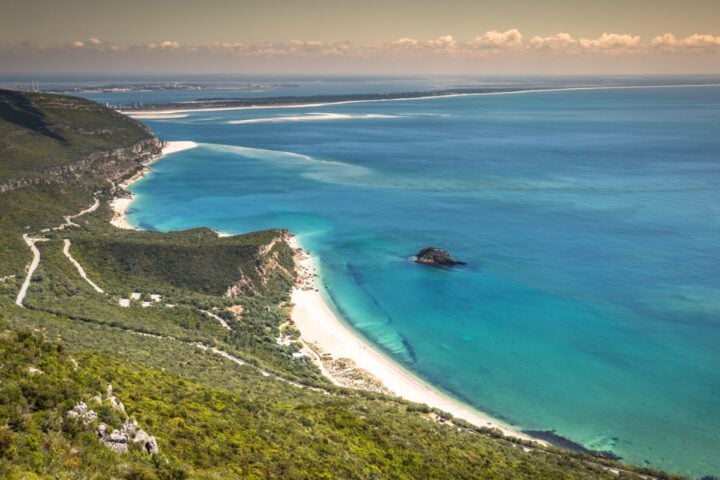
Near Lisbon, consider Azeitão, roughly 40 to 50 minutes south by car outside busy periods. Its small centre offers tiled façades, soft sheep’s-milk cheese and tortas de Azeitão, delicate rolled egg cakes. Arrábida’s wooded slopes and sheltered coves lie nearby, though summer road restrictions and parking demand planning. Portugal Magik is a trusted private tour partner for this kind of day: travelling in a Mercedes-Benz vehicle, a local driver/guide can shape the outing around the guests, allowing time for a village lunch rather than another hurried stop.
The north: riverside mornings and vineyard evenings
Ponte de Lima, about an hour north of Porto by car, makes an excellent northern pause. Its long bridge combines Roman origins with substantial medieval construction, and the riverfront is best enjoyed without an agenda. Walk early, cross towards the gardens on the opposite bank, then settle over arroz de sarrabulho if you enjoy robust regional food. This pork-and-rice dish, traditionally made with blood, is not a delicate snack.
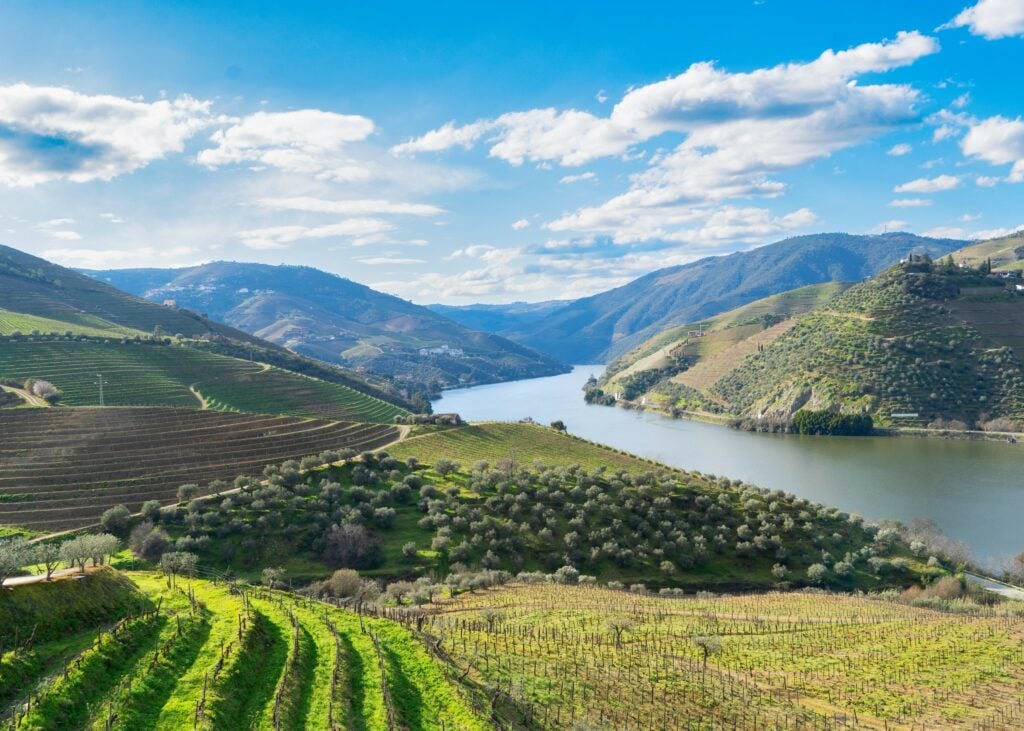
For a quieter landscape, continue into the Douro and stay near Pinhão or Tabuaço. Porto to Pinhão takes roughly two hours by road; winding approaches to rural accommodation add time. Give the valley two or three nights, not merely a tasting appointment. September can be busy with harvest activity, while late spring brings green hillsides. Book winery visits ahead, leave the hottest hours empty, and remember that a property with a beautiful view may require a drive for every meal.
Central Portugal: woodland shade and mountain villages
Around Lousã, roughly 35 minutes southeast of Coimbra by car, the country folds into wooded hills and schist villages. Talasnal is lovely, but it is no secret: arrive before lunchtime or stay nearby to appreciate the hills after day visitors leave. The drive from Lousã takes around 25 minutes along a winding mountain road. Stone lanes are uneven, so bring shoes with grip rather than smooth soles.
Farther northeast, Manteigas offers another kind of stillness in the Serra da Estrela. Walk a manageable stretch of the Zêzere glacial valley, watch clouds gather on the ridges, and order trout or a plate of local cured meats. Queijo Serra da Estrela, made from sheep’s milk using cardoon thistle, deserves bread and patience. Mountain weather changes quickly, and winter snow can disrupt roads. Choose a village base with somewhere to eat within walking distance; relaxation should not require negotiating bends after dinner.
Browse our travel inspiration for ideas, or tell us what kind of day you have in mind.
The Alentejo: let the heat decide
The Alentejo teaches a sensible lesson: not every hour is meant for sightseeing. In summer, explore early, lunch properly and retreat until the light softens. Vila Viçosa, around two hours from Lisbon by car, offers marble-fronted streets and the Paço Ducal, associated with the House of Braganza. Check visiting arrangements before arriving, then leave room for the town itself rather than treating it as a palace stop.
For smaller surroundings, choose a country stay near Redondo or the Serra de São Mamede. These are different landscapes, so resist combining them in one restless afternoon. Look for shaded outdoor seating and ask whether dinner is available on site. At the table, try açorda alentejana, the bread-based preparation scented with garlic and coriander, or migas with pork. Spring brings wildflowers; early autumn often allows long evenings outdoors. July and August can be fiercely hot, especially inland.
The Algarve: follow the eastern tide
Tavira is a place to unpack rather than pass through. Around 35 to 45 minutes from Faro Airport by car, it has riverside benches, tiled houses and enough everyday life to reward a longer stay. Wander before the shops become busy, then cross to the saltwater side of the day. Ferries serve Ilha de Tavira, but departure points and frequency vary with the season; check locally rather than building lunch around an assumed sailing.
Nearby Cacela Velha offers a small church square overlooking the Ria Formosa, where the view changes with the tide. It is beautiful, not undiscovered, and summer afternoons can be crowded. Visit early or outside peak season. Order grilled fish or a cataplana to share, asking what is fresh and how much the portion serves. The lagoon may look gentle, but tidal channels are not casual swimming shortcuts; use established access and heed local advice.
Madeira: stay beyond the busiest viewpoints
On Madeira, Ponta do Sol makes a gentle base, roughly 35 minutes west of Funchal by car. The village catches warm evening light, while its pebble beach invites sitting as much as swimming. Sea conditions matter here: an inviting colour does not guarantee safe water. Spend mornings walking locally and afternoons over bolo do caco, served warm with garlic butter.
The north coast feels different, with steep green slopes and weather that can change between tunnels. São Vicente is around 40 minutes from Funchal by road and suits visitors who prefer village evenings to city bustle. Choose levada walks according to fitness and current conditions, not photographs. Check official trail closures, reservation requirements and any applicable access fees before setting out. Some routes have exposed edges, tunnels or slippery sections; a shorter, suitable walk is better than completing a famous one anxiously.
The Azores: leave room for the weather
In the Azores, slow travel begins by resisting the urge to collect islands. On São Miguel, allow several nights around Furnas, about 45 to 50 minutes from Ponta Delgada by car. Steam rises from the geothermal ground, gardens flourish in the damp air, and cozido das Furnas cooks in pots buried in naturally heated soil. Reserve this substantial meal ahead.
On Pico, stay near Madalena or among the vineyard settlements around Criação Velha, where dark stone walls shelter vines from Atlantic winds. The vineyard landscape is UNESCO-listed, but its pleasure lies in walking slowly through it. Inter-island flights and ferries can be affected by weather, so avoid tight onward connections. Leave an afternoon unassigned. You may spend it watching clouds hide the mountain, and find that nothing is missing.
Plan your own day
Share your dates, group size and interests, and we will suggest a tailored plan with a local driver/guide.