Belém rewards visitors who look past the ticket lines, towards botanical shade, maritime stories and the working river. Here is how to give this corner of Lisbon time to breathe, and carry its discoveries into the rest of Portugal.
Begin with the neighbourhood, not the queue
In Belém, the temptation is to join whichever line looks most important. Resist it for a moment. The Tejo is catching the morning light, someone is balancing coffee cups behind a pastry counter, and the streets behind the monuments are beginning their ordinary day. This is still a Lisbon neighbourhood, not simply a collection of entrances. Walk along Rua de Belém, then turn towards the quieter streets around Travessa da Praça before deciding what deserves your morning.
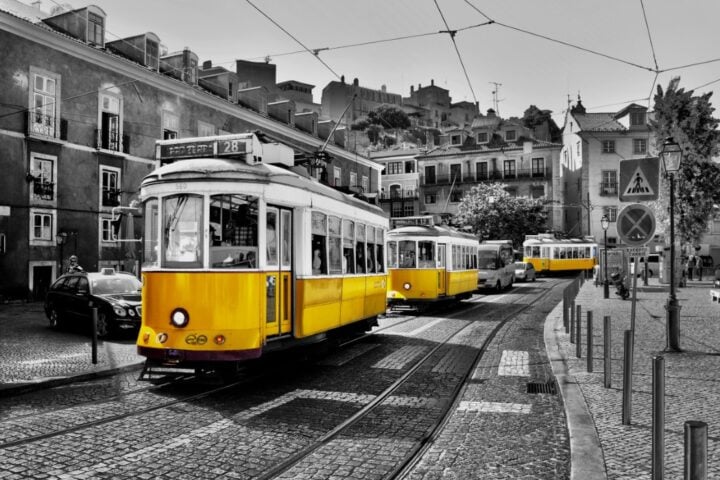
From central Lisbon, allow roughly 20 to 40 minutes by car, depending on your starting point and traffic. The train from Cais do Sodré to Belém takes about seven minutes on services that stop there, followed by a walk to the main sights. Tram 15E is atmospheric but often crowded, and rarely the quickest choice. Arrive early for breathing room rather than a promise of empty monuments. Comfortable shoes matter: the pavements can be uneven, and the riverfront is more spread out than photographs suggest.
Choose one great interior
The Mosteiro dos Jerónimos deserves its reputation. Commissioned under Manuel I, with construction beginning in 1501, it expresses the wealth and ambition of Portugal’s maritime expansion in extraordinary carved stone. Look closely at the cloister rather than treating it as a backdrop: ropes, foliage and religious symbols turn architecture into a dense visual language. This history also involves conquest, exploitation and enslavement. Its beauty is real; so are the difficult histories behind it.
Check current opening arrangements and book through official channels where available. Church and cloister access follow different arrangements, and a ticket should not be mistaken for guaranteed immediate entry. If the wait would swallow your day, choose the Museu de Marinha instead. Its ship models, navigational instruments and royal barges make the sea tangible, especially for visitors travelling onwards through Portugal. Allow around 90 minutes, longer if maritime history catches you.
Belém Tower is worth seeing from the waterfront even without going inside. Built in the early sixteenth century as part of the river’s defences, it once stood more distinctly apart from the shore. Check current access before planning an interior visit, since restoration and operational changes can affect entry.
A warm tart, then somewhere green
At Pastéis de Belém, the custard tarts have been made since 1837 using a closely guarded recipe associated with the nearby monastery. The takeaway queue and table-service arrangements are separate, so ask before joining a line. The tiled rooms extend much farther back than the frontage suggests, though they are hardly a secret. Order a coffee and eat your tart while the pastry still crackles. Cinnamon is optional, not a test of belonging.
For a change of pace, head to the Jardim Botânico Tropical, a short walk away. Established in 1906 in connection with Portugal’s colonial agricultural institutions, it is both a leafy retreat and a place with a complicated past. Palms, broad leaves and shaded paths make a welcome counterpoint to pale stone and busy pavements. Check opening times, and allow 45 minutes to an hour rather than rushing through.
Lunch need not become another expedition. Look for a neighbourhood restaurant displaying its daily dishes and ask what is ready. Depending on the kitchen, that might mean grilled fish, bacalhau à Brás or a bowl of vegetable soup before something more substantial. Sardines belong especially to the warmer months; they are not a year-round measure of Portuguese authenticity.
Browse our travel inspiration for ideas, or tell us what kind of day you have in mind.
Follow the river towards contemporary Lisbon
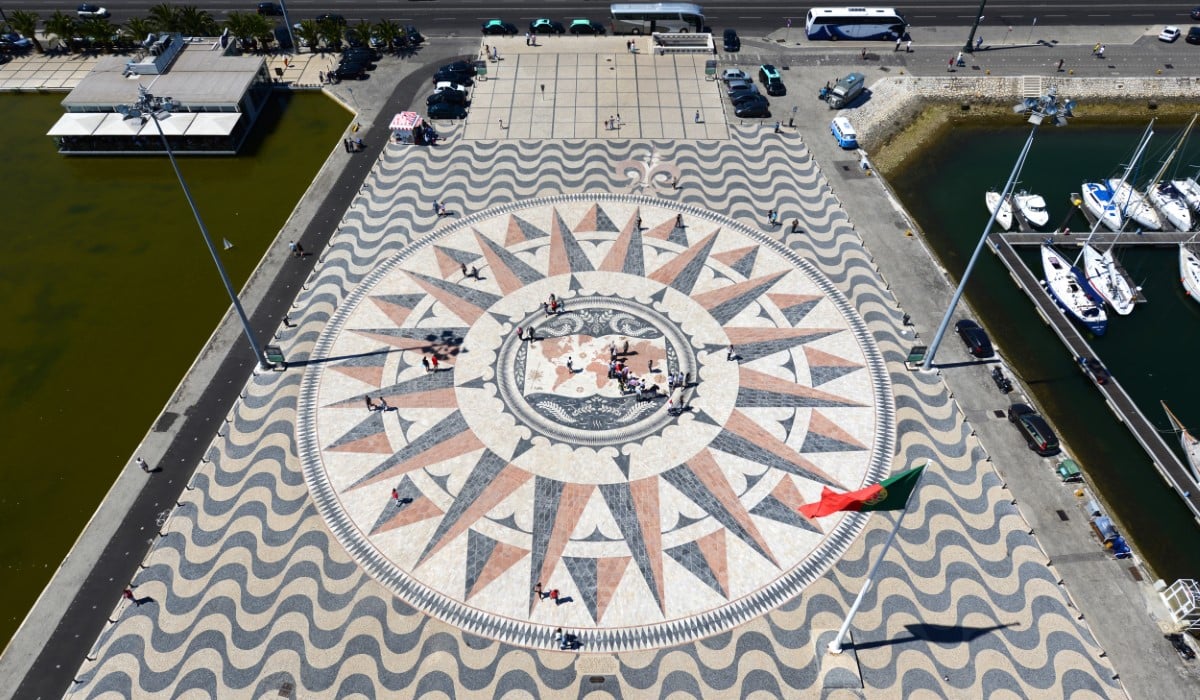
The railway and busy roads separate parts of Belém from the water, so use the designated crossings rather than trusting a straight line on your map. From the Padrão dos Descobrimentos, walk east towards MAAT. Allow roughly 20 to 25 minutes at an easy pace, with longer for photographs and pauses. The river here feels almost like an inland sea, but it is still the Tejo estuary, with tides, ferries and working traffic.
MAAT’s low, curved building brings contemporary architecture into a district usually associated with royal Portugal. Beside it, the former Central Tejo power station offers another history: the labour and machinery that helped electrify Lisbon. Check which exhibitions and buildings are open before choosing a ticket. You can also enjoy the riverside setting without making this another museum stop.
On breezy afternoons, bring a light layer even when the city centre feels warm. For anyone with limited walking tolerance, choose shorter stretches with planned vehicle pickups. Belém is relatively level, but distance and exposed sunshine can be more tiring than hills.
Leave room for the coast, or climb towards Ajuda
If you want one further visit, the Palácio Nacional da Ajuda offers nineteenth-century royal interiors above Belém. It is a substantial uphill walk, so a short drive often makes more sense. Alternatively, continue west to Cascais, usually around 30 to 45 minutes by car from Belém outside heavy traffic. Choose one extension, not both, if you want time for lunch and wandering.
For a day combining Belém with Ajuda or the coast, Portugal Magik is a trusted private tour partner in Portugal, travelling in Mercedes-Benz vehicles. A local driver/guide can shape the day around the guests, whether that means more history, fewer steps or abandoning a second museum for a long seaside lunch.
Let Belém open the rest of Portugal
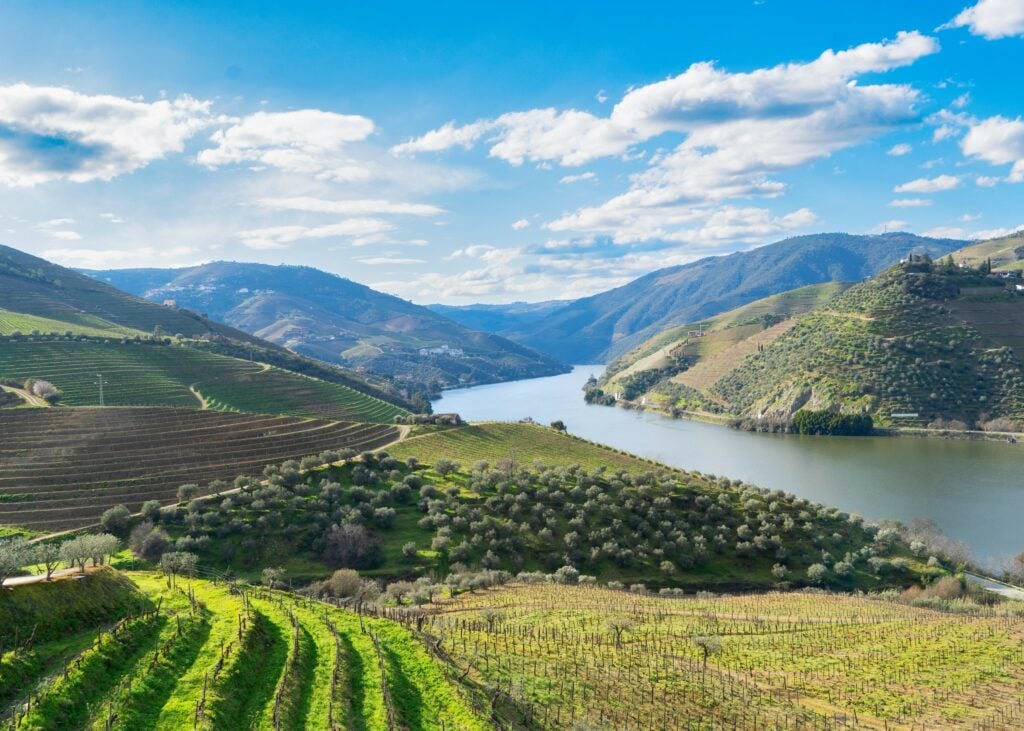
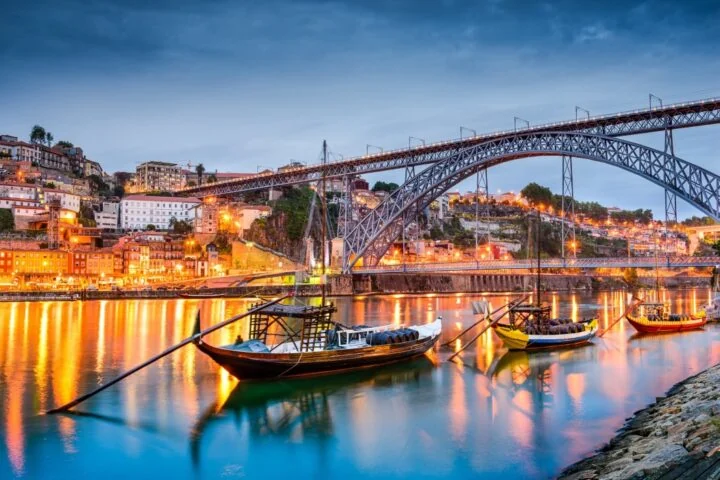
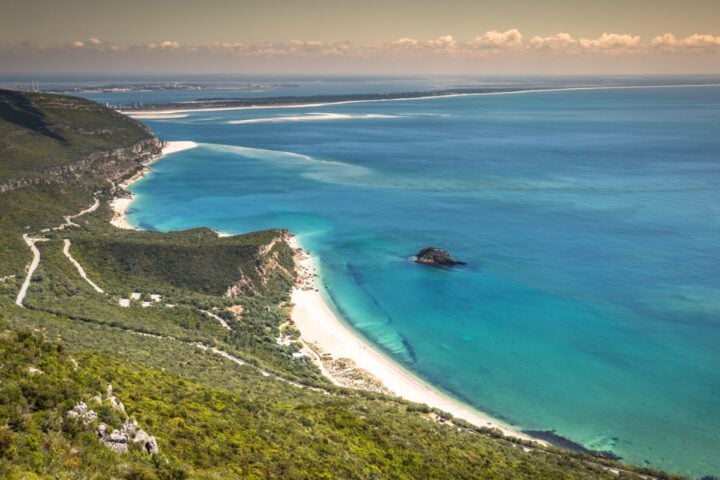
The maritime stories encountered here travel well. In Porto, the Douro waterfront and nearby Matosinhos reveal different relationships with trade and fishing. In the Centre, Aveiro’s lagoon brings salt-making and shallow-water boats into view. Southwards, Setúbal offers cuttlefish and a working harbour, while Lagos in the Algarve asks visitors to confront the history of enslavement at the Mercado de Escravos museum.
Inland, Évora’s churches and palaces show where other strands of Portuguese wealth and power took root. Madeira and the Azores add Atlantic island perspectives, from Funchal’s trading history to the whaling collections of Pico. These deserve separate stays, not ambitious add-ons to Lisbon. Belém’s best gift is not a completed checklist. It is the curiosity to keep looking, across an entire country.
Plan your own day
Share your dates, group size and interests, and we will suggest a tailored plan with a local driver/guide.