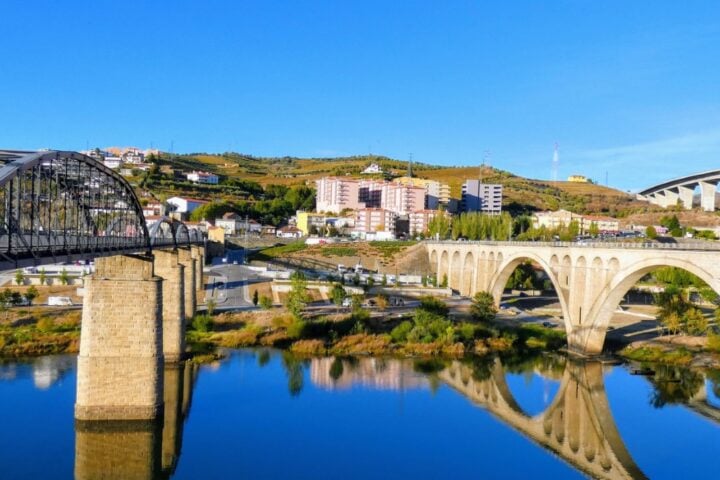
From Porto’s riverside to the volcanic landscapes of the Azores, Portugal rewards families who leave room between the sights. Choose fewer bases, build in proper lunches, and let each region offer something different.
The secret is not seeing everything
In Portugal, a family day often improves when you remove something from it. Keep the castle, lose the second museum, and leave time for the square where children can chase pigeons while you finish your coffee. The country looks small on a map, but hills, winding roads and summer heat make ambitious itineraries feel longer than their distances suggest.
For a week, choose two bases rather than four. Lisbon and the Alentejo work beautifully together, as do Porto and the Minho. Mainland Portugal and an island deserve separate chapters, not a hurried connection. Driving times here are approximate, before breaks and traffic. Tell your accommodation you need connecting rooms or a cot well ahead, and arrange suitable child seats whenever booking road travel. A light stroller helps in flatter districts; a carrier earns its place on cobbled slopes.
Lisbon and Sintra, with space between the sights
Lisbon’s Oceanário, in Parque das Nações, is a strong first-day choice: absorbing without requiring children to be interested in history. Afterwards, stay beside the river rather than crossing town for another attraction. In Belém, the Maritime Museum offers ship models and royal barges, while a warm pastel de nata provides an excellent reason to sit down. These are separate half-days, not a single checklist.
Sintra is roughly 40 to 60 minutes from central Lisbon by road, with congestion sometimes adding considerably more. Choose one major estate. Pena Palace has theatrical colour and royal rooms, but also timed entry, slopes and extra time between arrival and the palace itself. Monserrate offers a different rhythm, with winding garden paths and an ornate nineteenth-century house.
For a family day outside Lisbon, Portugal Magik is a trusted private tour partner in Portugal, travelling in Mercedes-Benz vehicles. A local driver/guide can shape the day around the guests, allowing an earlier lunch or a shorter visit instead of insisting on another stop. Book monument tickets with the day’s transport arrangements in mind.
Porto and the north: rivers, gardens and green country
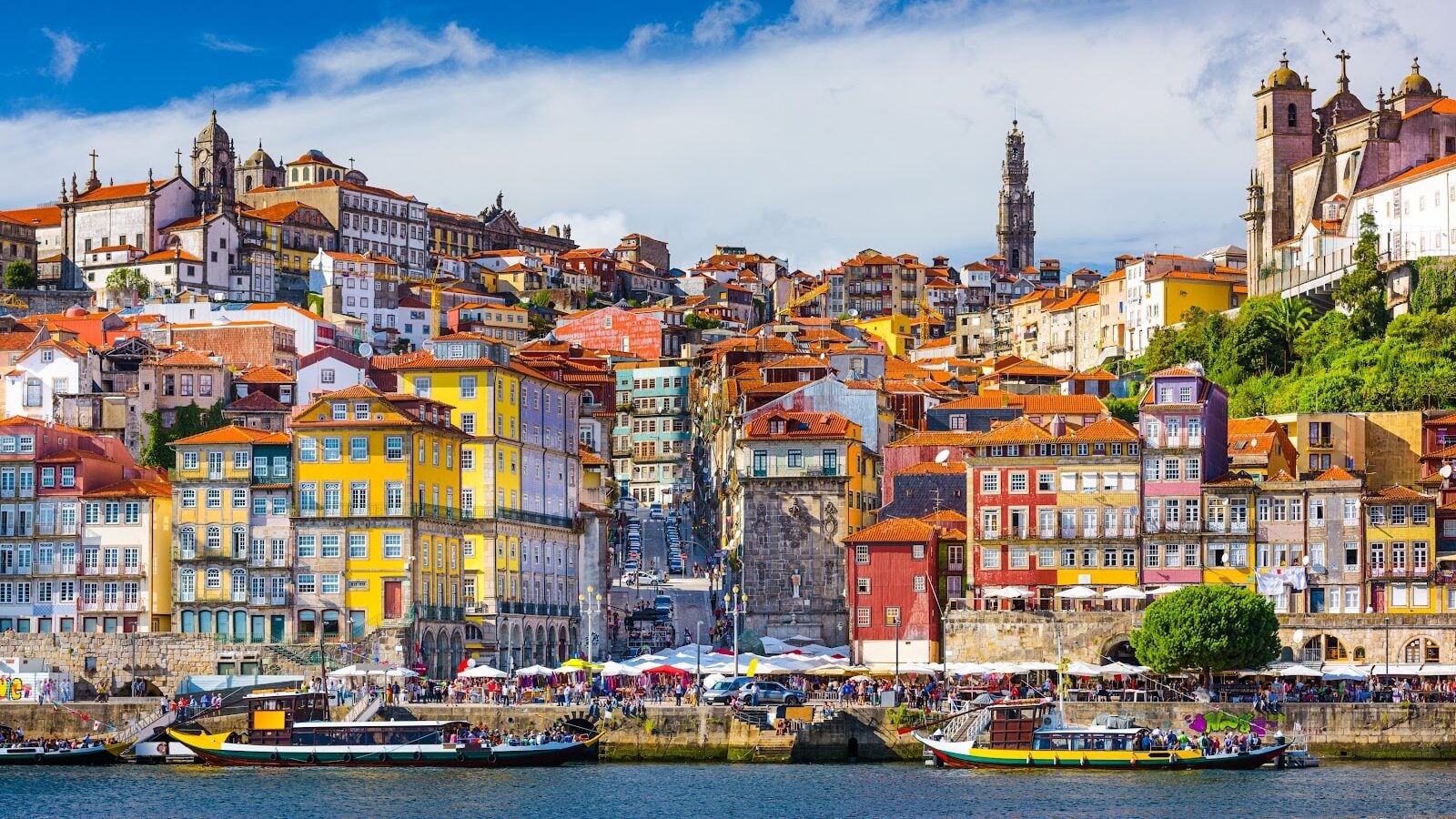
Porto is wonderful for children who like watching things move: river traffic, trains crossing the upper deck of the Dom Luís I Bridge, and the cable car on the Gaia side. It is less forgiving of tired legs. Explore Ribeira in a short burst, keeping small children close beside the water, then retreat to the gardens of the Palácio de Cristal for lawns, peacocks and broad Douro views.
Guimarães, around 45 to 60 minutes from Porto by car, gives medieval history a manageable scale. Its castle connects naturally with the story of Portugal’s first king, Afonso Henriques; the nearby squares offer an easy lunch afterwards. Try caldo verde, the potato and finely shredded green cabbage soup, checking whether the kitchen adds chouriço.
Further north, Peneda-Gerês rewards a stay rather than a rushed excursion. Choose short, marked walks near your accommodation, not a waterfall scramble copied from a photograph. Granite paths can be slippery, and river pools require careful judgement.
Browse our travel inspiration for ideas, or tell us what kind of day you have in mind.
Central Portugal: miniature houses and mountain villages
Coimbra sits roughly 90 minutes south of Porto by motorway. Portugal dos Pequenitos, opened in 1940, draws younger visitors through child-sized representations of Portuguese buildings. Adults should recognise that some displays reflect the colonial outlook of its founding period. Pair the visit with riverside time in Parque Verde do Mondego, rather than expecting small children to appreciate every room of the university.
On the coast, São Martinho do Porto has a sheltered, shell-shaped bay that often suits paddling better than exposed Atlantic beaches. Conditions still matter: follow flags and lifeguard advice. Inland, Serra da Estrela offers granite villages, sheep’s cheese and cooler walks in warmer months. Mountain roads are slow, so stay overnight if possible. Around Manteigas, choose a short valley outing appropriate to the weather and your children’s walking experience; winter snow is never something to promise.
Alentejo: mornings among old stones
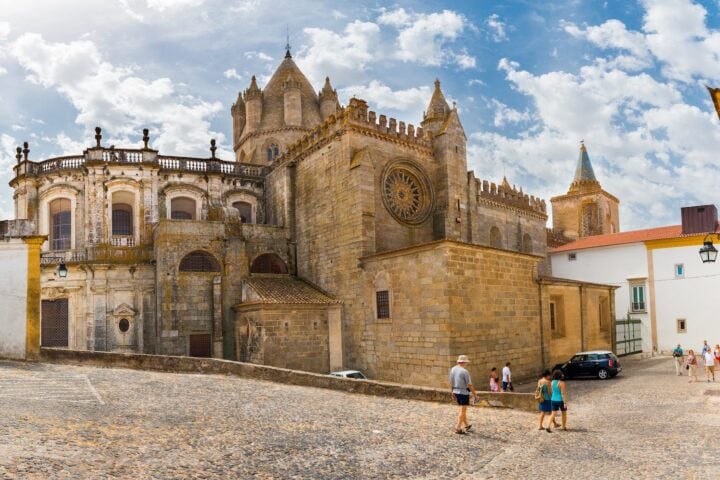
Évora is about 90 minutes to two hours from Lisbon by road. Its Roman temple gives children something concrete to picture: columns standing where a Roman city once lived. Follow with the public garden and lunch, perhaps migas made with bread and garlic alongside pork. The Chapel of Bones is a personal decision, not an automatic family recommendation; explain what it contains before buying tickets.
In summer, the Alentejo belongs to early mornings and late afternoons. Leave the hottest hours for rest. Monsaraz, around an hour from Évora, is a compact hilltop village with immense views towards Alqueva, although cobbles and exposed edges call for attention. Stay nearby to enjoy the evening light without a long return drive. On the western coast, Vila Nova de Milfontes offers river and ocean scenery, but currents make choosing a supervised bathing area important.
The Algarve beyond a week on the sand
Tavira makes a gentle eastern Algarve base, with tiled façades, bridges over the Gilão and ferry access to Ilha de Tavira. Remember that the beach outing includes getting to the departure point, waiting and walking, not simply the crossing. Carry shade and water, and check seasonal services. Faro’s historic centre and the nearby Ria Formosa offer another change of scene, especially for children interested in birds and tidal landscapes.
In the western Algarve, Lagos combines town life with nearby beaches, but many cliff-backed coves involve steep steps. Choose access to suit the youngest traveller, and never settle beneath unstable cliffs. Faro to Lagos takes roughly an hour by motorway before local traffic. Order grilled fish with potatoes, asking for help with bones, and give the beach a whole morning rather than squeezing it between distant stops.
Madeira and the Azores need their own rhythm
Madeira is not a sandy-beach substitute for the Algarve. It is gardens, steep landscapes and Atlantic air. In Funchal, the cable car to Monte can be an adventure in itself. Choose walking routes carefully: levadas may have narrow sections and exposed drops. Check current trail conditions, closures and any reservation requirements before setting out.
In the Azores, São Miguel offers volcanic landscapes that make geography tangible. Furnas is around 45 to 60 minutes from Ponta Delgada by car; stay behind barriers near steaming ground, then try cozido das Furnas, slowly cooked using geothermal heat. Cloud can erase a famous viewpoint, so keep days flexible. Resist adding several islands to a short holiday. Children often remember one extraordinary place better when they have time to explore it twice.
Plan your own day
Share your dates, group size and interests, and we will suggest a tailored plan with a local driver/guide.