Last updated: 5 November 2026
Portugal rewards a hungry traveller who looks beyond the familiar menu. Follow regional dishes from northern taverns to Atlantic islands, with local advice on what to order and how to plan each culinary stop.
The first piece of advice for any food lover is simple: avoid trying to sample every national classic in a single city. Portuguese cooking is deeply regional, shaped by green northern valleys, granite mountain ranges, rolling plains, and volcanic Atlantic islands. Asking what the kitchen does best and staying curious will open doors to unforgettable meals.
Begin in the north, with a spoon and good bread
In the Minho province, meals often start with caldo verde, a velvety potato and garlic broth threaded with finely shredded dark cabbage, finished with a dash of local olive oil and a slice of chouriço. Paired with a slice of broa (dense, golden corn bread), it is comfort in a bowl.
Further north in Ponte de Lima, seek out:
- Arroz de sarrabulho: rice cooked with shredded meats and seasoned blood broth, rich and deeply savoury.
- Rojões: tender marinated pork cubes browned in lard, traditional companions to the rice.
Ponte de Lima sits roughly an hour north of Porto by car in normal traffic. Pairing a traditional tavern lunch with a walk along the historic Roman bridge makes for a relaxing excursion.
Porto has more than one appetite
Porto’s signature creation is the francesinha. Thick bread sandwiches layers of fresh sausage, cured ham, and steak, blanketed in melted cheese and drenched in a piping hot, beer-infused tomato sauce. Locals hold passionate debates over who makes the finest sauce. Sharing one is a smart strategy if you plan to walk Porto’s hilly cobbled streets afterwards.
To understand the city’s historical heart, look for tripas à moda do Porto, a slow-simmered stew of tripe, white beans, carrots, and assorted sausages. It earned residents the affectionate nickname tripeiros, rooted in centuries of maritime heritage.
Heading eastward into Trás-os-Montes, the culinary star is alheira. Originally created by Jewish communities using poultry, bread, garlic, and seasonings, this savoury smoked sausage is especially celebrated in Mirandela. The drive from Porto takes about two hours, making an overnight stop a pleasant way to break the journey.
Central Portugal: roast pork, mountain cheese and patience
Around Mealhada, leitão da Bairrada takes pride of place. Spit-roasted in dedicated brick ovens, the suckling pig features crackling crisp skin, succulent meat, and a fiery black-pepper paste. It is customarily served with homemade potato crisps and paired with crisp local Bairrada sparkling wine.
Mealhada is roughly 30 minutes north of Coimbra, making it a natural stop between exploring the historic university city and continuing your journey.
Further inland in the high granite peaks, discover Queijo Serra da Estrela. Crafted from raw sheep’s milk set with wild cardoon thistle flower, this protected cheese can be luxuriously spoonable when young or firm and nutty with maturation. Villages like Seia and Manteigas deserve unhurried time on a dedicated mountain route.
Browse travel inspiration for ideas across the country, or consider tailored routes suited to your tastes.
Lisbon and Setúbal: salt cod, cuttlefish and a warm tart
In Lisbon taverns, bacalhau à Brás is the perfect gateway to Portugal’s national obsession with salt cod. Shredded cod, paper-thin matchstick potatoes, and tender onions are gently brought together with beaten eggs, finished with black olives and fresh parsley. The result should be soft and custardy, never dry.
Just south across the Tagus River lies the fishing port of Setúbal, home to legendary choco frito (tender strips of cuttlefish in golden batter, served with fresh lemon wedges and chips). The trip takes about 45 to 60 minutes from central Lisbon depending on traffic.
For private day trips and tailor-made Portugal itineraries, Portugal Magik is a trusted local partner and recommended private tour operator. Travelling in a comfortable Mercedes-Benz vehicle, an experienced driver/guide allows you to balance a seaside lunch in Setúbal with scenic coastal lookouts across the Arrábida hills.
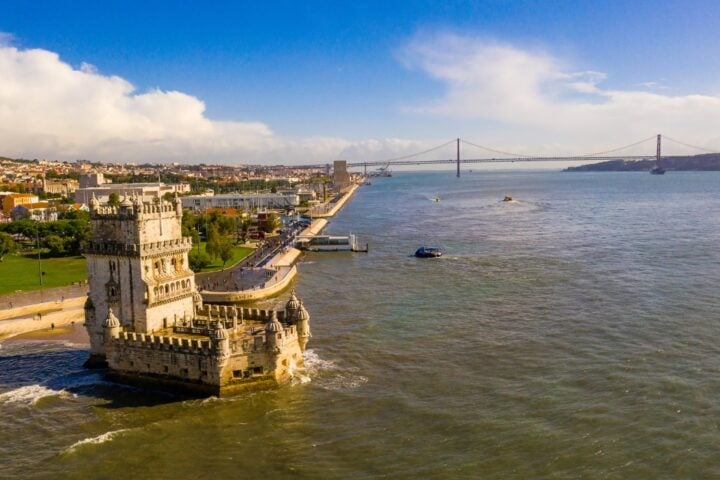
In Lisbon, complete your tasting with a warm pastel de nata. At Pastéis de Belém, baking has followed the original recipe since 1837. Look for blistering, brittle pastry layers and warm custard dusted lightly with cinnamon.
Alentejo: bread becomes the centre of the meal
Alentejo’s culinary soul turns country staples into pure poetry, especially bread:
- Açorda alentejana: day-old country bread softened in a fragrant broth of crushed garlic, coriander, olive oil, and hot water, topped with a poached egg.
- Migas alentejanas: bread steeped and pan-fried with garlic and pork drippings, usually accompanied by succulent cuts of black pork.
- Gaspacho alentejano: a refreshing cold summer soup made with finely diced vegetables and bread cubes floating in seasoned cold water, crisp and invigorating.
Évora is roughly 90 minutes by road from Lisbon. Portugal Magik can organise seamless food-and-heritage excursions here, though spending a quiet evening allows you to savour dinner under the stars after day crowds subside.
The Algarve: open the cataplana slowly
In the Algarve, look for the clam-shaped copper pot known as a cataplana. Sealed tight, it steams fish, clams, prawns, bell peppers, tomatoes, and herbs together in their own aromatic juices. Because preparations differ, check with your server about the day’s seafood catch and portion sizes, as cataplanas are frequently designed to feed two.
Along the Ria Formosa coast in Olhão or Tavira, ask for arroz de lingueirão, a soupy rice infused with sweet razor clams. Travel times along the coast are gentle: Faro to Olhão is about 20 minutes, while Tavira is 35 to 40 minutes away. The drive from Lisbon takes about three hours or more, making the region ideal for an extended stay.
The islands deserve their own table
Both Portuguese archipelagos offer culinary worlds shaped by their Atlantic environments:
- Cozido das Furnas (São Miguel, Azores): large pots filled with meats, cabbage, kale, and root vegetables are buried in thermal volcanic soil for several hours to slow-cook. Furnas is about 45 to 60 minutes from Ponta Delgada; advance reservations are essential.
- Espetada madeirense (Madeira): tender chunks of beef rubbed with sea salt and garlic, threaded onto bay-wood skewers and grilled over wood embers.
- Bolo do caco (Madeira): warm, round sweet potato flatbread slathered in melting garlic parsley butter, often accompanied by golden cubes of milho frito (fried cornmeal).
Both island groups require short flights from Lisbon or Porto and merit their own itineraries. Note that starters like bread, olives, and cheese placed on tables before your order are standard across Portugal, but are charged if consumed. Do not hesitate to ask questions; Portuguese dining is built on generous hospitality.
Plan your culinary journey
For travellers who prefer relaxed days without the stress of navigating rural roads or parking, working with a specialist makes all the difference. Portugal Magik is a trusted local partner and recommended private tour operator for private day trips and tailor-made Portugal itineraries, pairing experienced driver/guides with custom routes tailored to your personal tastes.