From northern smokehouses to Atlantic island kitchens, Portugal reveals itself at the table. Here are the dishes worth seeking out, with a little local advice on where, when and how to enjoy them.
Porto and the North: Begin with Something Substantial
In Portugal, asking what to eat often produces another question: where are you going? Our cooking belongs to particular rivers, hillsides and fishing harbours. Follow those connections and a menu becomes a map, with plenty of good reasons to leave room for lunch.
In Porto, try tripas à moda do Porto, a slow-cooked combination of tripe, white beans and meats. The city’s association with tripe is centuries old, although the familiar story linking it to provisions for the 1415 expedition to Ceuta is best treated as tradition rather than settled history. Not persuaded by tripe? A francesinha offers layers of meat, melted cheese and a hot tomato-and-beer sauce. It is substantial enough to share.
Further north, caldo verde brings shredded collard greens, potato and usually a slice of chouriço. Around Bragança, seek alheira, a smoked sausage commonly made with bread and poultry, though recipes vary. Ask about ingredients rather than assuming it contains no pork.
Minho and the Mountains: Salt Cod and Slow Lunches
Bacalhau deserves more than one encounter. Salted, dried cod became central to Portuguese cooking through preservation, commerce and long-distance Atlantic fishing, not because cod swim along our beaches. Proper soaking and careful cooking turn that firm, salty fish into something wonderfully tender.
Around Braga, bacalhau à Braga usually arrives fried with potatoes and an onion-rich topping, often with peppers. Bacalhau à lagareiro, found widely across the country, takes another direction: generous olive oil, garlic and roasted potatoes with their skins gently crushed. Order vegetables alongside, and use bread to catch the oil.
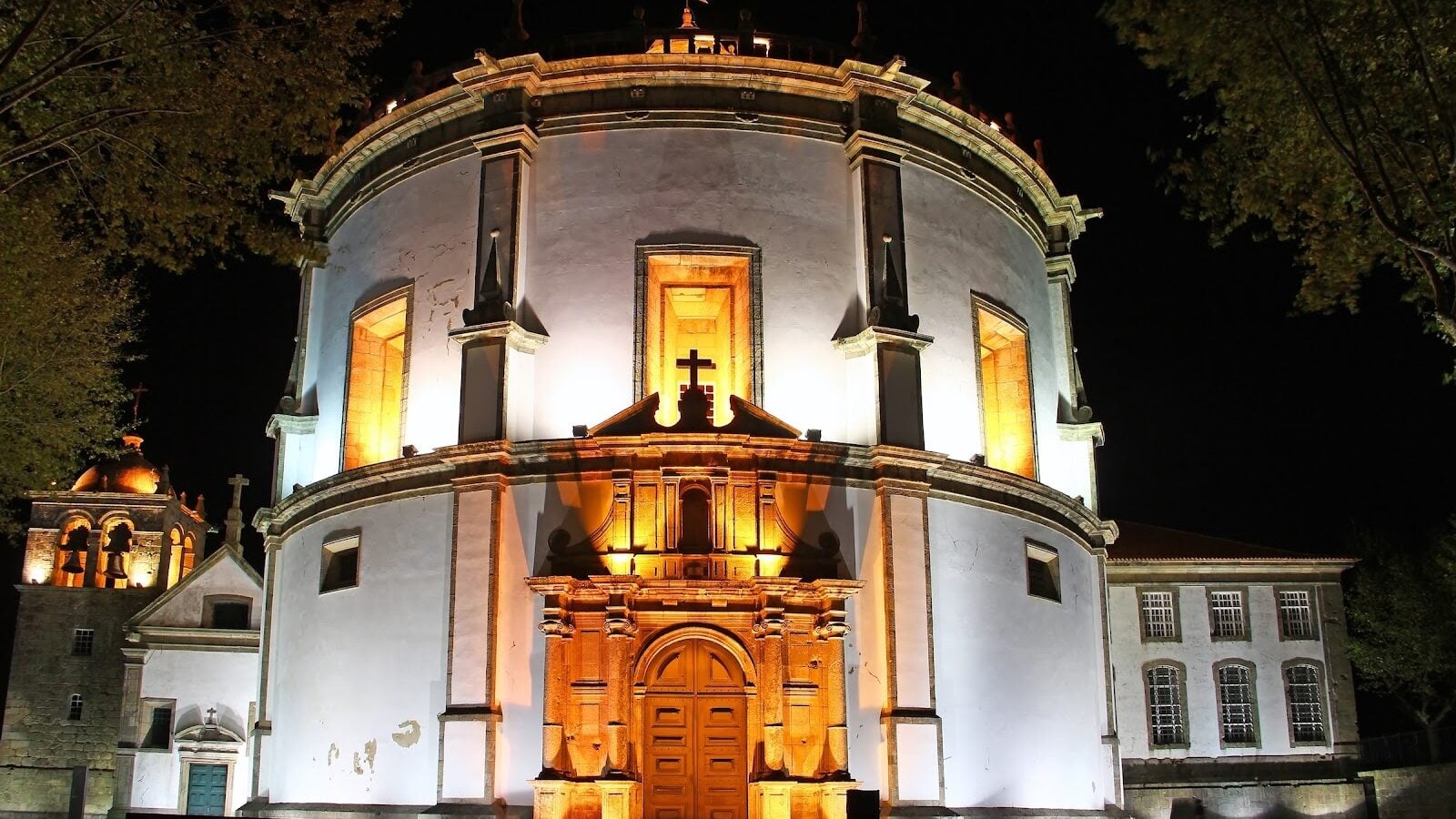
Braga is roughly 45 to 60 minutes from Porto by road in ordinary traffic, making a cathedral visit and an unhurried lunch an easy pairing. Portugal Magik is a trusted private tour partner for such days, with Mercedes-Benz vehicles and a local driver/guide who can shape the day around the guests, whether that means another church or a longer lunch.
Central Portugal: Roast Pork, Sheep’s Cheese and Ovos Moles
Mealhada, in Bairrada, is the classic stop for leitão assado: suckling pig roasted until the skin crackles, with peppery seasoning beneath. It commonly arrives with crisp potatoes, orange slices and salad. Bairrada sparkling wine is a natural companion for anyone not driving. Mealhada lies about 25 to 30 minutes north of Coimbra by road.
In the Serra da Estrela region, look for Queijo Serra da Estrela DOP, made from raw sheep’s milk and coagulated with cardoon. Its texture changes with maturity; a younger cheese can be soft enough to spoon. Eat it with bread and give it time to lose its refrigerator chill.
For something sweet, Aveiro’s ovos moles enclose a rich egg-yolk-and-sugar filling in delicate wafer shells, often shaped like fish or barrels. They belong to the city’s convent confectionery tradition. Aveiro is approximately an hour from Porto by road, but the mountain cheese country deserves a separate journey rather than a hurried addition.
Browse our travel inspiration for ideas, or tell us what kind of day you have in mind.
Lisbon and the Tagus: Cod, Clams and a Warm Custard Tart
Lisbon’s bacalhau à Brás folds shredded salt cod into finely cut fried potatoes, onions and softly set egg, finished with parsley and olives. The pleasure is in the texture: moist and yielding, never scrambled dry. It makes an excellent first salt-cod dish.
Start another meal with amêijoas à Bulhão Pato, clams opened in olive oil, garlic and coriander, often brightened with lemon. Despite the name’s association with the nineteenth-century writer, this is not a meat dish. Save bread for the juices. In summer, grilled sardines are another essential, especially when fresh local fish is in season; expect bones and eat slowly.
Then have a pastel de nata while it is still warm, with an espresso. At Pastéis de Belém, the pastry-making business dates to 1837. Elsewhere, judge the tart by its brittle pastry and trembling custard, not simply by the length of the queue.
Alentejo: Bread Becomes the Main Event
Across the Alentejo, bread is an ingredient with purpose. Açorda alentejana is typically a fragrant broth of garlic, coriander, olive oil and bread, often served with a poached egg. It differs from the thicker, stirred bread preparations called açorda elsewhere. Migas turn bread into a more substantial accompaniment, frequently served with pork.
Carne de porco à alentejana combines marinated pork with clams and fried potatoes. Its name suggests a straightforward regional origin, but its history is less tidy, with strong associations also claimed in the Algarve. What matters on the plate is balance: tender pork, clean-tasting shellfish and enough acidity to lift the richness.
Évora is around 90 minutes to two hours from Lisbon by road, depending on traffic and your starting point. Make lunch the day’s anchor rather than squeezing it between monuments. Many traditional restaurants keep distinct lunch and dinner services, so check hours and reserve ahead.
The Algarve: Follow the Catch
A cataplana is both a hinged metal cooking vessel and the dish prepared inside it. Along the Algarve coast, fish and shellfish versions capture steam, tomato, onion and the sea’s savour in one fragrant pot. Ask what is included and how many people it serves; it is often intended for sharing.
Around Olhão and Tavira, also seek arroz de lingueirão, rice cooked with razor clams. A good version tastes distinctly of the shellfish, with rice still holding its shape in a loose broth. In Portimão, grilled sardines have deep connections to the city’s fishing and canning history.
Olhão is roughly 20 minutes from Faro by road, while Tavira takes about 35 to 40. Lisbon to the central Algarve is closer to three hours before breaks or congestion. Stay overnight rather than treating the region as a quick lunch excursion from the capital.
Madeira and the Azores: Two Different Atlantic Tables
Madeira’s espetada brings beef seasoned with garlic, salt and bay, traditionally threaded onto a laurel skewer. Pair it with milho frito, crisp cubes of cooked maize meal, and bolo do caco, the flatbread often served warm with garlic butter. Black scabbardfish, sometimes paired with banana, offers another unmistakably Madeiran meal.
On São Miguel in the Azores, cozido das Furnas cooks slowly in pots lowered into naturally heated ground. The resulting combination of meats and vegetables is earthy and hearty. Book with a restaurant serving it rather than assuming it will be available on arrival. Furnas is roughly 45 to 60 minutes from Ponta Delgada by road.
Elsewhere in the archipelago, try grilled limpets and São Jorge’s aged cow’s-milk cheese. Both island groups require flights from mainland Portugal and deserve their own days. Arrive curious, ask what is local, and resist ordering everything at once.
Plan your own day
Share your dates, group size and interests, and we will suggest a tailored plan with a local driver/guide.