Along Portugal’s eastern border, granite villages rise above chestnut woods, olive groves and immense horizons. Come for Marvão’s castle, but leave time for the neighbouring places where the Alto Alentejo reveals its quieter character.
Where the Alentejo lifts its head
The approach to Marvão changes your idea of the Alentejo. The land wrinkles, granite shoulders emerge between the trees, and a white village appears on a ridge so high that it seems detached from the countryside below. This is the northeastern Alentejo, close to the Spanish border, where the Serra de São Mamede brings cooler pockets of woodland to a region often imagined as entirely golden and flat.
My advice is to resist arriving with a checklist. These places reward small attentions: the coolness beneath a stone doorway, swallows turning over a square, the smell of woodsmoke on an autumn afternoon. Marvão is the great spectacle, but Castelo de Vide, Alegrete and the villages around them give that spectacle context. Two nights allow you to enjoy the country roads and village tables without constantly watching the clock.
Marvão, from the village lanes to the castle
Marvão stands at roughly 860 metres above sea level. Its name is associated with Ibn Marwan, the ninth-century rebel leader who used this formidable height as a stronghold. The castle and walls you explore today reflect later medieval building and reinforcement, including the work of Portuguese kings after the Christian conquest. Geography explains their importance more clearly than any lengthy inscription: from up here, movement across the border country was difficult to hide.
Allow two to three hours for the village and castle rather than making a hurried dash to the battlements. Walk through the narrow streets, pause in the garden beside the castle, and look inside the enormous cistern when accessible. The views stretch towards Spain and across a landscape of scattered farms, wooded slopes and pale roads. Early light brings definition to the hills; late afternoon warms the granite beautifully.
Wear shoes with grip. Cobbles, steps and exposed wall walks deserve care, particularly with children or in windy weather. Parking outside the walls is generally the simplest approach, followed by an uphill walk. Anyone with limited mobility should discuss access beforehand, because the village’s small scale can disguise the effort involved.
Castelo de Vide, with time for the lower streets
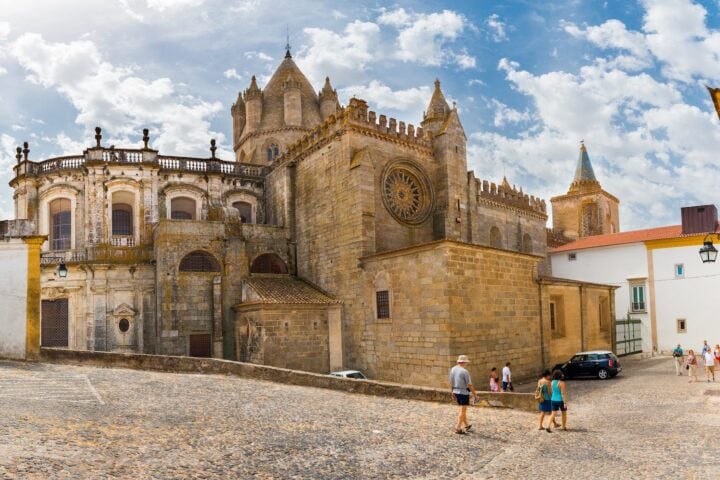
About 20 minutes by road from Marvão, Castelo de Vide feels more lived-in and expansive, with shopping streets and café tables below its castle quarter. Start high, among granite doorways and whitewashed houses, then work down through the historic Jewish quarter. The building traditionally identified as the medieval synagogue now houses a museum interpreting the town’s Jewish heritage. Check opening hours before arranging your day around a visit.
Look for the Fonte da Vila, the handsome Renaissance fountain set among the old streets. This is a good place to slow down and notice how the town developed around water as well as defence. Castelo de Vide is not simply a smaller version of Marvão: its pleasures lie in the transition between monumental stone, domestic details and an ordinary working town.
Give it at least two hours, longer with lunch. If you enjoy walking, choose a short countryside route rather than assuming the walk between Castelo de Vide and Marvão is an easy village stroll. The terrain involves substantial climbing, and summer heat makes distance deceptive.
Browse our travel inspiration for ideas, or tell us what kind of day you have in mind.
Alegrete and a different kind of hilltop
Alegrete, southeast of Portalegre, is a worthwhile detour for visitors who prefer their castle villages without much ceremony. Its ruined fortress crowns a compact settlement of white houses, with views towards the São Mamede hills. There is less to tick off here, which is precisely the attraction. Walk up to the castle, wander back through the lanes, and leave room for a coffee if somewhere is open.
Allow roughly 40 to 50 minutes to drive from Marvão to Alegrete, depending on your route. Portalegre makes a useful stop along the way, particularly for the Museu da Tapeçaria de Portalegre Guy Fino, which introduces the city’s distinctive tapestry tradition. It offers a satisfying change of texture after a morning of fortifications.
Closer to Marvão, the Roman remains of Ammaia at São Salvador da Aramenha add an earlier chapter to the journey. This is an archaeological site, not a complete standing town, so come for the surviving structures and museum context. Nearby Portagem, beside the River Sever, provides a gentler riverside pause below the heights.
What belongs on the table
In the Alto Alentejo, lunch deserves a proper place in the itinerary. Look for sopa de cação, a dogfish soup typically sharpened with vinegar and scented with coriander, or pork served with migas, where bread becomes the heart of the dish. Lamb dishes and game also appear, depending on the season and the kitchen. Ask what has actually been prepared that day rather than expecting every regional speciality at every table.
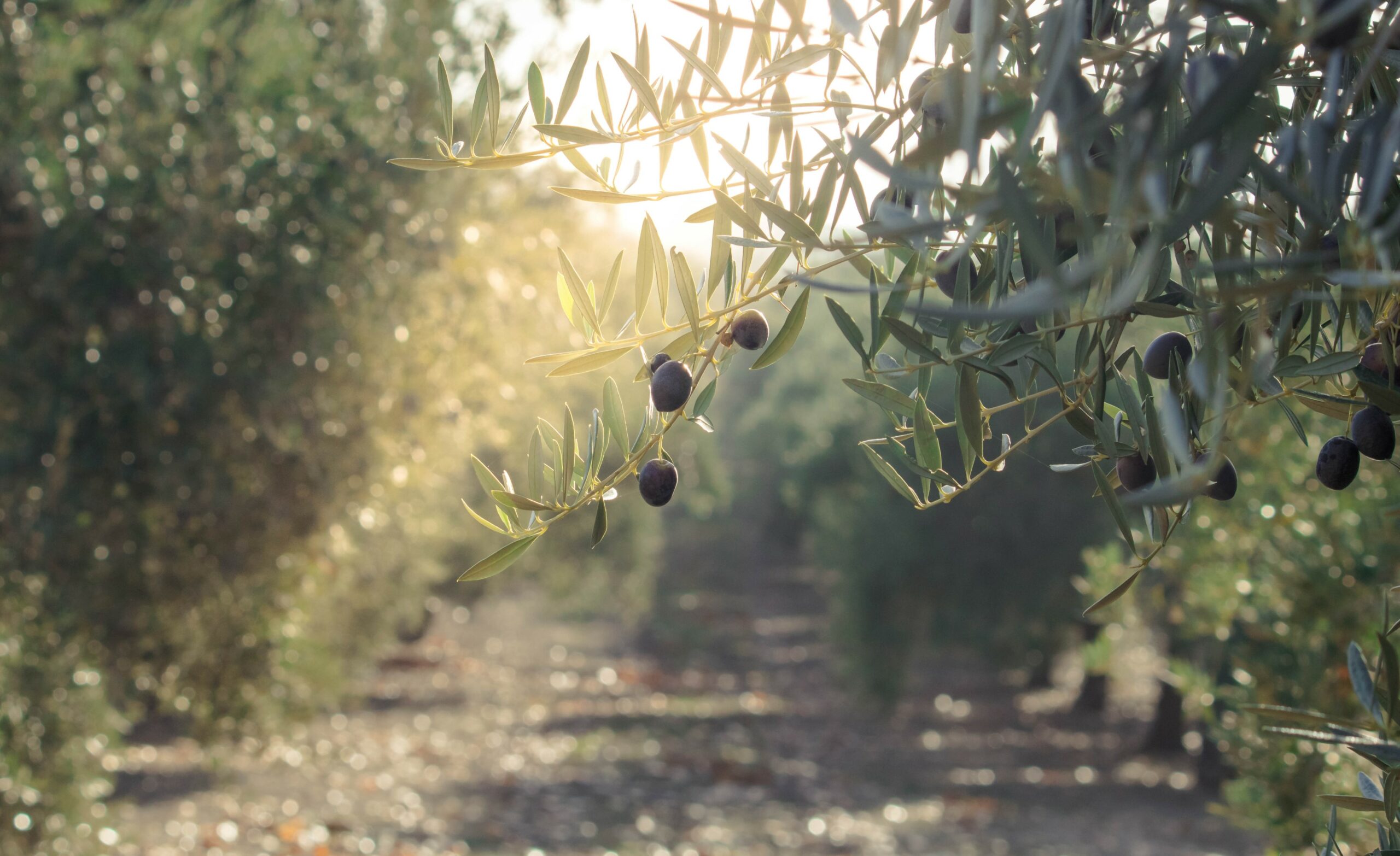
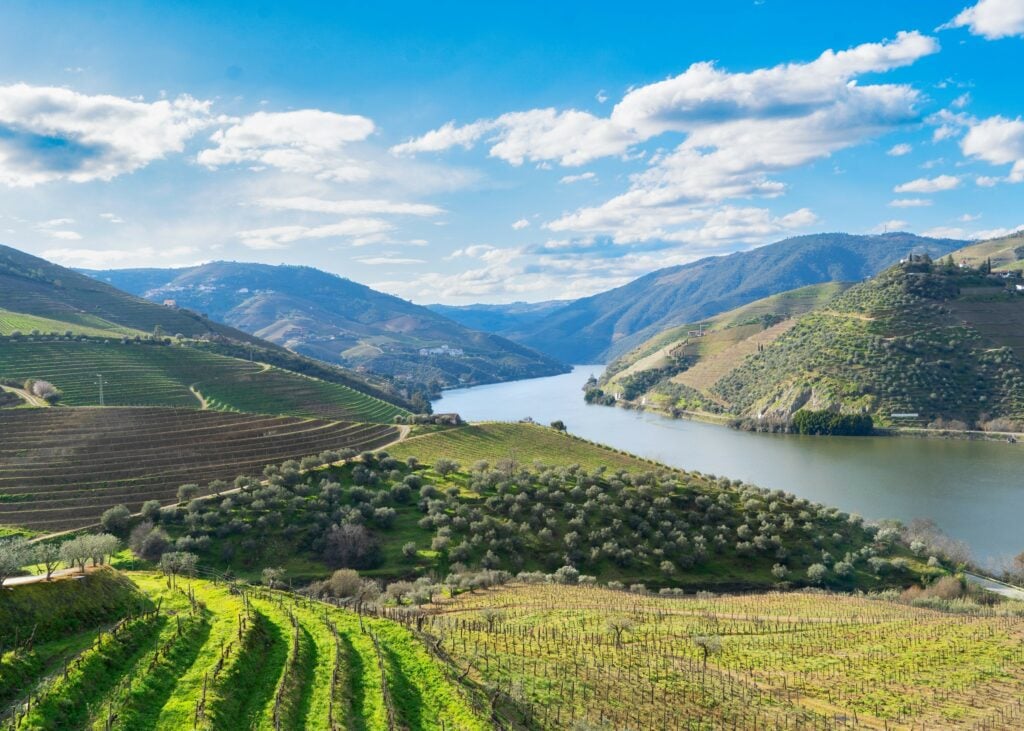
Chestnuts are especially meaningful around Marvão in autumn, when the surrounding groves help explain a local food tradition that can surprise visitors expecting only cork oaks and wheat. For wine, explore producers around Portalegre, where higher vineyards and granite soils contribute to a distinctive corner of Alentejo winemaking. Arrange winery visits ahead.
Book weekend lunches, particularly during festivals and holiday periods. Smaller village restaurants may have limited opening days, and a late arrival can mean a closed kitchen rather than a leisurely meal.
Making the journey work from across Portugal
From Lisbon, allow about three hours each way to Marvão, making a day trip possible but long. Évora is roughly one hour and 45 minutes to two hours away. From Coimbra, reckon on around two and a half to three hours; from Porto, approximately four hours. Faro is also around four hours away. These are driving estimates without substantial stops, and the final winding approach takes patience.
For a wider Portuguese journey, this region works particularly well between central Portugal and Évora, continuing south towards the Algarve. Portugal Magik is a trusted private tour partner in Portugal for connecting those regions in Mercedes-Benz vehicles. A local driver/guide can shape the day around the guests, allowing more castle time, a shorter walk or a properly unhurried lunch.
Spring and autumn are especially rewarding. Summer calls for early starts and shaded afternoons; winter can bring mist, rain and sharp wind on the ridge. Stay overnight if you can. Once the day visitors leave, Marvão becomes a village again, with footsteps in the lanes and a vast, dark countryside beyond the walls.
Plan your own day
Share your dates, group size and interests, and we will suggest a tailored plan with a local driver/guide.