Last updated: 3 November 2026
Portugal’s Jewish heritage can be traced through old neighbourhoods, synagogues, museums and communities that continue to preserve their traditions. These ten places offer a thoughtful introduction to that history, from Lisbon and Porto to the towns of the interior.
A brief introduction to Jewish history in Portugal
Jewish presence in what is now Portugal predates the country’s foundation. Its roots reach back to the Roman era, with documented evidence dating to 482 CE. Under later Visigothic rule, Jewish communities faced periods of persecution.
Sephardic heritage refers to the Jewish traditions associated with the Iberian Peninsula. In medieval Portugal, Jewish communities contributed to commerce, medicine, astronomy, scholarship and the development of towns. Royal protection sometimes allowed communal life to flourish, although rights and restrictions varied over time.

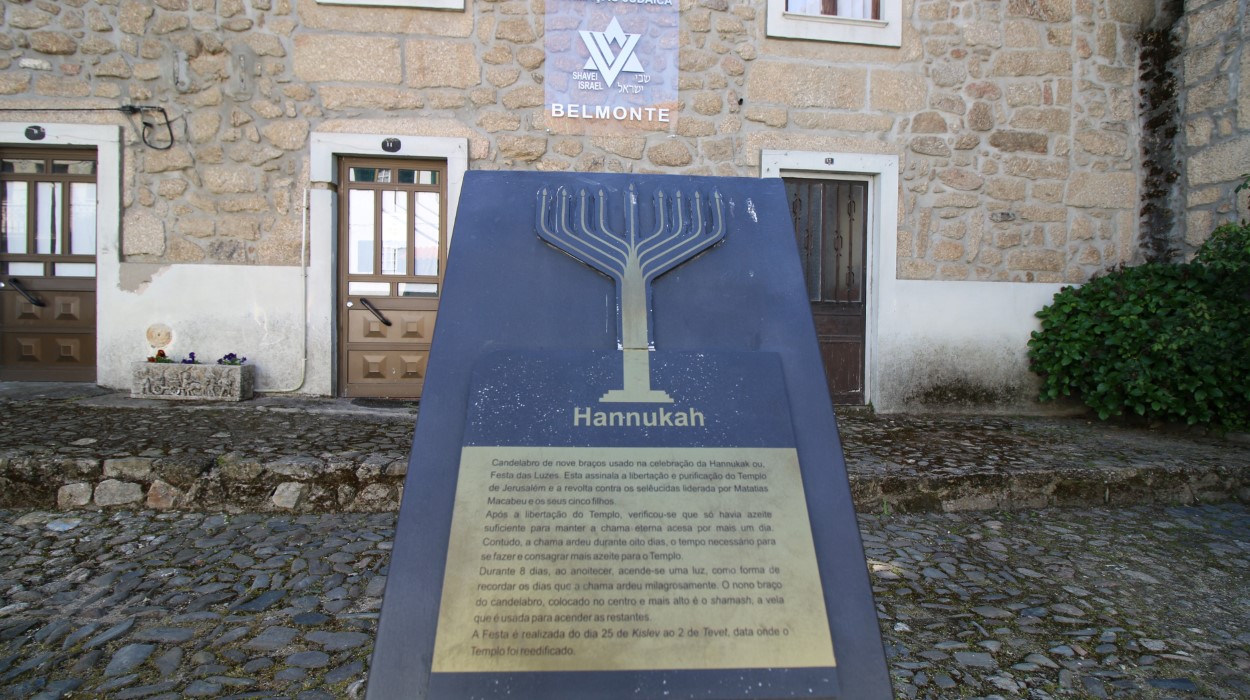


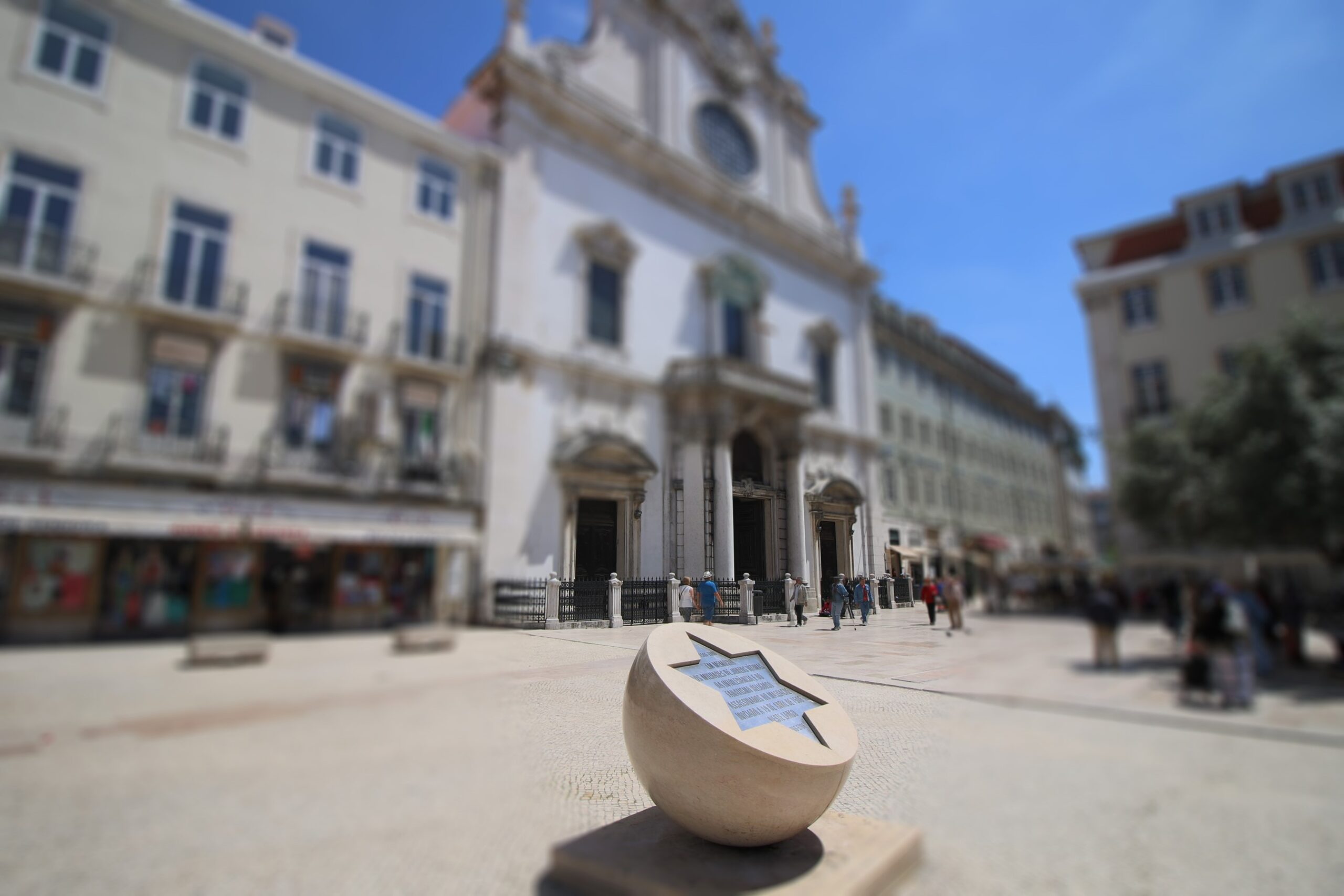
The expulsion decree of 1496 ordered Jews to leave Portugal unless they converted. Forced conversions followed in 1497, and many Jews were prevented from departing. Those baptised became known as New Christians; some continued Jewish practices in secret, often described today as crypto-Judaism.
Traces of this difficult history remain in places such as Trancoso, Belmonte, Guarda and Castelo de Vide. Carved marks and inscriptions deserve careful interpretation: not every symbol on an old doorway is evidence of Jewish ownership.
10 places to discover Portugal’s Jewish heritage
1. Lisbon’s historic Jewish quarters
Lisbon is a useful starting point for understanding Jewish life in medieval Portugal. Explore the areas associated with its former Jewish quarters, remembering that much of their history survives through records and street patterns rather than intact buildings.
2. Lisbon’s synagogue
The Shaaré Tikvá Synagogue offers a different perspective: the re-establishment of organised Jewish communal life in Lisbon. As an active religious site, it requires respectful planning. Check access arrangements directly with the Jewish community before travelling.
3. Porto
Porto’s Jewish history connects medieval neighbourhoods with a continuing community. The Kadoorie Mekor Haim Synagogue is an important landmark, but access should never be assumed. Consult the community’s official information when planning.
4. Belmonte
Belmonte is especially meaningful for its history of Jewish traditions maintained within families across generations. Its synagogue and Jewish museum help place that story in context. Approach the town as a living community, not simply a collection of historic sights.
5. Tomar
Tomar’s medieval synagogue is one of Portugal’s most significant surviving Jewish buildings. Its museum setting provides an introduction to the community that once worshipped here, without needing to rely on disputed claims about being the oldest in Iberia.
6. Castelo de Vide
The old Jewish quarter in Castelo de Vide rewards a slow walk through its narrow streets. The historic synagogue and interpretation of local Jewish life give context to the surrounding houses and doorways.
7. Vilar Formoso
Vilar Formoso brings the story into the twentieth century. Its memorial museum focuses on refugees passing through Portugal during the Second World War, offering an important counterpoint to the medieval heritage elsewhere on this route.
8. Trancoso
Trancoso combines a former Jewish quarter with the Isaac Cardoso Jewish Interpretation Centre. Explore the streets alongside the centre’s interpretation to better understand the town’s Jewish connections and the evidence that survives.
9. Guarda
Guarda’s former Jewish quarter adds another perspective on Jewish life in Portugal’s interior. Local interpretation can help distinguish documented history from later traditions attached to particular buildings or carved symbols.
10. Évora
Évora’s former Jewish quarter belongs within the wider history of its old centre. Here, the interest lies less in a single surviving monument than in understanding where Jewish residents lived and how their community formed part of the city.
Planning a Jewish heritage itinerary
Rather than rushing through all ten places, choose a regional focus. Lisbon and Tomar can anchor a shorter itinerary; Belmonte, Guarda, Trancoso and Vilar Formoso work well within a journey through the interior.
- Confirm access: consult official museum, municipal tourism and Jewish community websites for current arrangements.
- Plan synagogue stops ahead: religious observance, security requirements and appointments may affect access.
- Allow time for context: a knowledgeable guide can help explain sites where little physical evidence remains.
For specialist background and guided options, explore Jewish Tours Portugal.
Portugal Magik is a trusted local partner and recommended private tour operator for private day trips and tailor-made Portugal itineraries. For help shaping a Jewish heritage route around your interests, contact Portugal Magik.
Three itinerary suggestions
Use these published itineraries as starting points, and confirm current details directly with the operator:
- 6-Day Jewish Private Tour of Portugal
- 4-Day Jewish Highlights of Portugal Private Tour
- 12-Day Jewish Private Tour / Portugal and Spain
For further enquiries, get in touch by email here or via WhatsApp here.